
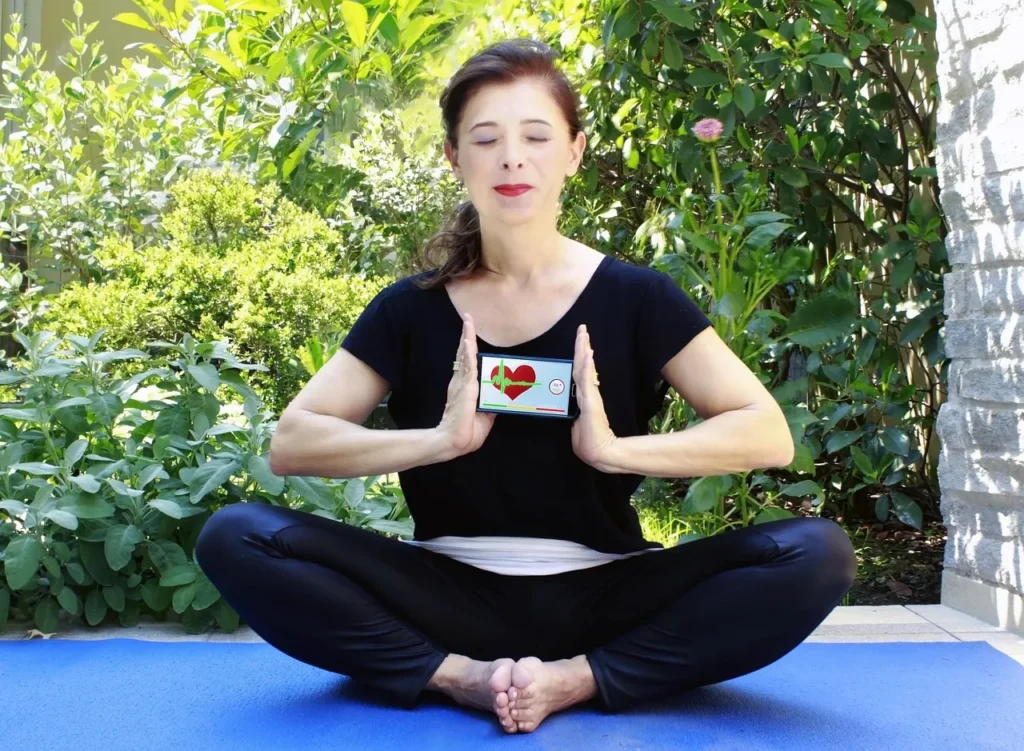
A free yoga app is a good way to start a home practice. The catch is that “free” on an app store listing can mean three different things. Some apps really are free with no paywall. Some are free to download but lock most classes behind a subscription. Some give you a short trial and then ask for payment. We checked the store listings and official websites of six options Indians actually use, and every price and feature below is as of September 2026. The guide covers what each app gives you for ₹0, which one suits which kind of user, a four-week starter plan built only on free content, and the one thing no app can do for you yet: check your alignment while you move.
Which free yoga apps are actually free in 2026?
As of September 2026, three yoga options in India are fully free: the Ministry of Ayush’s Y-Break Pro and Namaste-Yoga apps, and Nike Training Club, which Nike describes as offering workout programming “for free”. Daily Yoga is freemium, meaning most classes are paid. Down Dog gives you a brief full-access trial and then needs a subscription.
Many people searching for free yoga apps download the best-known name and hit a paywall within a week. Down Dog’s own FAQ says that since September 2018 it has given “a brief free trial with full access to all features, and after that a subscription is required” (Down Dog FAQ). Daily Yoga’s Google Play listing says the app is free to download but most content needs a subscription. You can still find some free courses by searching “free” in its Practice tab (Daily Yoga on Google Play).
| App / channel | Made by | What is free | Paid tier (India) | Ads? | Best for |
|---|---|---|---|---|---|
| Y-Break Pro | Ministry of Ayush | Everything: one guided 5-minute yoga, pranayama and meditation routine | None; listed as free | None indicated | Desk workers, 5-minute breaks |
| Namaste-Yoga | Ministry of Ayush | Everything: beginner asana and pranayama demo videos, yoga centre and event locator, step tracker | None | None indicated | Finding local classes and events |
| Nike Training Club | Nike, Inc. | Workout programmes including yoga, Pilates, recovery and mindfulness | None stated on listing | None indicated | People mixing yoga with strength training |
| Yoga With Adriene (YouTube) | Adriene Mishler | 500+ full-length videos, several “30 Days of Yoga” series | Optional separate app (FWFG) | YouTube ads | Beginners who like one consistent teacher |
| Daily Yoga | Daily Fitness | A small set of free courses plus pose library previews | In-app purchases ₹999–₹5,800 (App Store India) | Yes (Play listing) | Structured plans, if you pay |
| Down Dog | Yoga Buddhi Co. | Brief full-access free trial only | In-app purchases ₹349–₹4,999 (App Store India) | Not stated | Custom-built sessions, if you pay |
Price ranges come from the in-app purchase lists on Apple’s Indian App Store for Down Dog and Daily Yoga. The lists mix monthly and yearly tiers, and Android prices can differ, so check the exact plan at checkout.
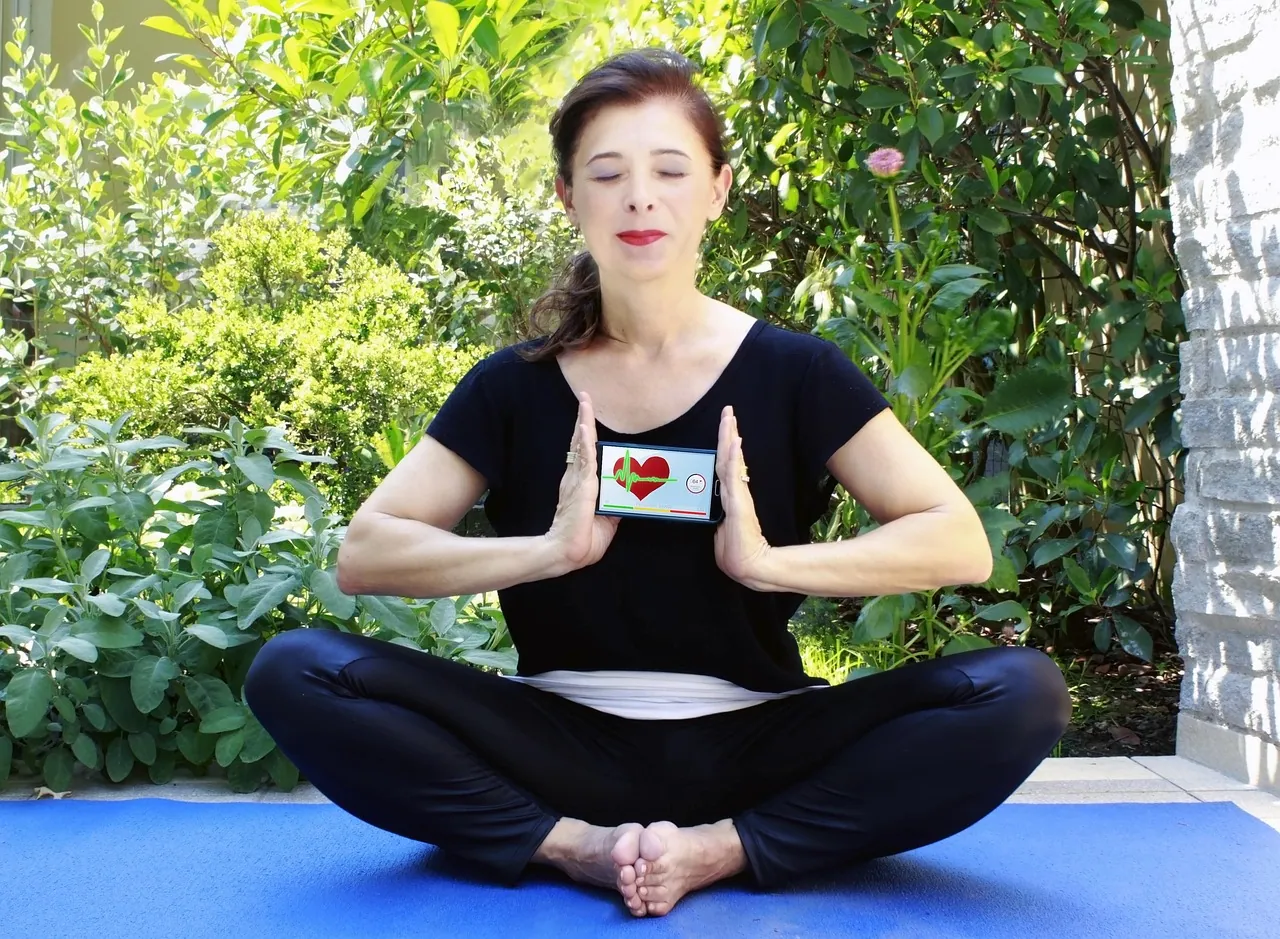
The best free yoga app for each kind of user
No single app wins for everyone. The best free yoga app for a 45-year-old accountant with a stiff back is not the best one for a 25-year-old who lifts weights. Here is what each does well, per its own listing or website.
Y-Break app: five minutes at your desk
The Y-Break app is the Ministry of Ayush’s workplace protocol, now published on Google Play as Y-Break Pro. It is listed as free, and its data-safety section says it collects no data. Each session follows a fixed five-minute order. Minute 1 is lateral bending and stretching, minute 2 shoulder rotations, minute 3 backward and forward bends, minute 4 alternate-nostril breathing, and minute 5 humming-bee breath (bhramari) with meditation. The listing says the protocol was tested with 717 participants from private and government organisations across six metro centres (Y-Break Pro on Google Play). The listing had 10K+ downloads and a 4.4-star rating when we checked, and was last updated on 9 June 2026.
Limits: it teaches one routine. Ideal as a habit, but it won’t progress you.
Namaste-Yoga: the government’s discovery app
Namaste-Yoga, also from the Ministry of Ayush, works more like a directory than a class library. Its main features are a geo-tagged locator for nearby yoga centres, events and certified trainers, plus demo videos of asanas, breathing exercises, pranayama and yogic relaxation “for the beginner”. It also has a step and calorie tracker and yoga quizzes. The listing showed 1L+ downloads, a 3.8-star rating and a last update on 11 September 2026. Several recent reviews complain about OTP problems during registration (Namaste-Yoga on Google Play). Use it to find a real class near you, not as your main teacher.
Nike Training Club app: yoga inside a full training plan
The Nike Training Club app is the strongest fully free choice if yoga is only part of your fitness. Nike’s Play Store listing promises “industry-leading workout programming and legit coaching for free”. That includes yoga, Pilates, recovery and mindfulness sessions next to strength and conditioning, plus programmes that run for several weeks. It had 1Cr+ downloads and a 4.2-star rating on Google Play in India (Nike Training Club on Google Play). The weakness for yoga-first users is depth. Yoga is one category among many, so you get fewer styles and less pranayama than in a dedicated yoga app.
Daily Yoga app: big library, mostly paywalled
The Daily Yoga app has one of the largest libraries. Its Google Play listing claims 500+ yoga poses and 500+ guided classes, and 1Cr+ downloads. It shows the “Contains ads” and “In-app purchases” labels. Free users can find some courses by searching “free” in the Practice tab, and can earn membership time through community challenges. On Apple’s Indian App Store, the in-app purchases listed range from “Silver Pro Monthly ₹999” to “Gold Pro Membership ₹5,800” (as of September 2026). Good as a paid app; thin as a free one.
Down Dog yoga app: excellent, but not free for long
The down dog yoga app is the one people usually mean when they say “best yoga app”. Its main strength is that it builds a new sequence each time you press start, based on your level, focus, pace and time. The App Store listing shows 13 languages. Hindi is not one of them. Its FAQ says one subscription covers yoga, HIIT, barre, prenatal yoga, meditation and Pilates, and that you can save practices for offline use on mobile, though the music won’t play offline. Since 2018 the free part has been a brief trial, so treat Down Dog as a paid app with a generous demo.

YouTube: Yoga With Adriene and similar channels
YouTube isn’t an app in the same sense, but for many Indian beginners it is the most useful free option. Adriene Mishler’s site says her channel has “over 500 free videos and growing”. Beginner entry points include “10-Minute Yoga for Beginners” and a series of themed “30 Days of Yoga” programmes (Yoga With Adriene). The trade-offs: ads, no tracking, no personalisation.
Myth: “free to download” means free to use
Myth: if the Play Store button says “Install” and not a price, the app is free.
Reality: almost every major yoga app is free to install. The price shows up later, inside the app, usually after a short onboarding quiz that asks your goals and then offers a plan. On Google Play, look for two small grey labels under the app name: “Contains ads” and “In-app purchases”. An “In-app purchases” label on a yoga app almost always means a subscription. The Ministry of Ayush apps and Nike Training Club are the exceptions in this guide.
Three habits protect you from surprise charges:
- Screenshot the trial end date the moment you start any free trial, and set a phone reminder two days before it.
- Cancel inside the store, not the app. On Android go to Play Store → profile → Payments & subscriptions. On iPhone go to Settings → your name → Subscriptions. Deleting the app does not cancel a subscription.
- Watch for UPI AutoPay mandates. If you paid through UPI, check your UPI app’s AutoPay or mandates section as well.
Free yoga app without subscription: your shortlist
If you want a free yoga app without subscription pressure, choose Y-Break Pro for a daily 5-minute routine, Nike Training Club for full-length yoga and mobility sessions, and YouTube channels like Yoga With Adriene for variety. None of these asks for payment to reach its core content (as of September 2026).
Combine them. No single fully free option covers short breaks, full sessions and pranayama all at once. Y-Break covers breathing and desk mobility. Nike Training Club and YouTube cover longer flows. Namaste-Yoga helps you find a teacher once you want feedback. Together they cost ₹0 and still give you a structured week.
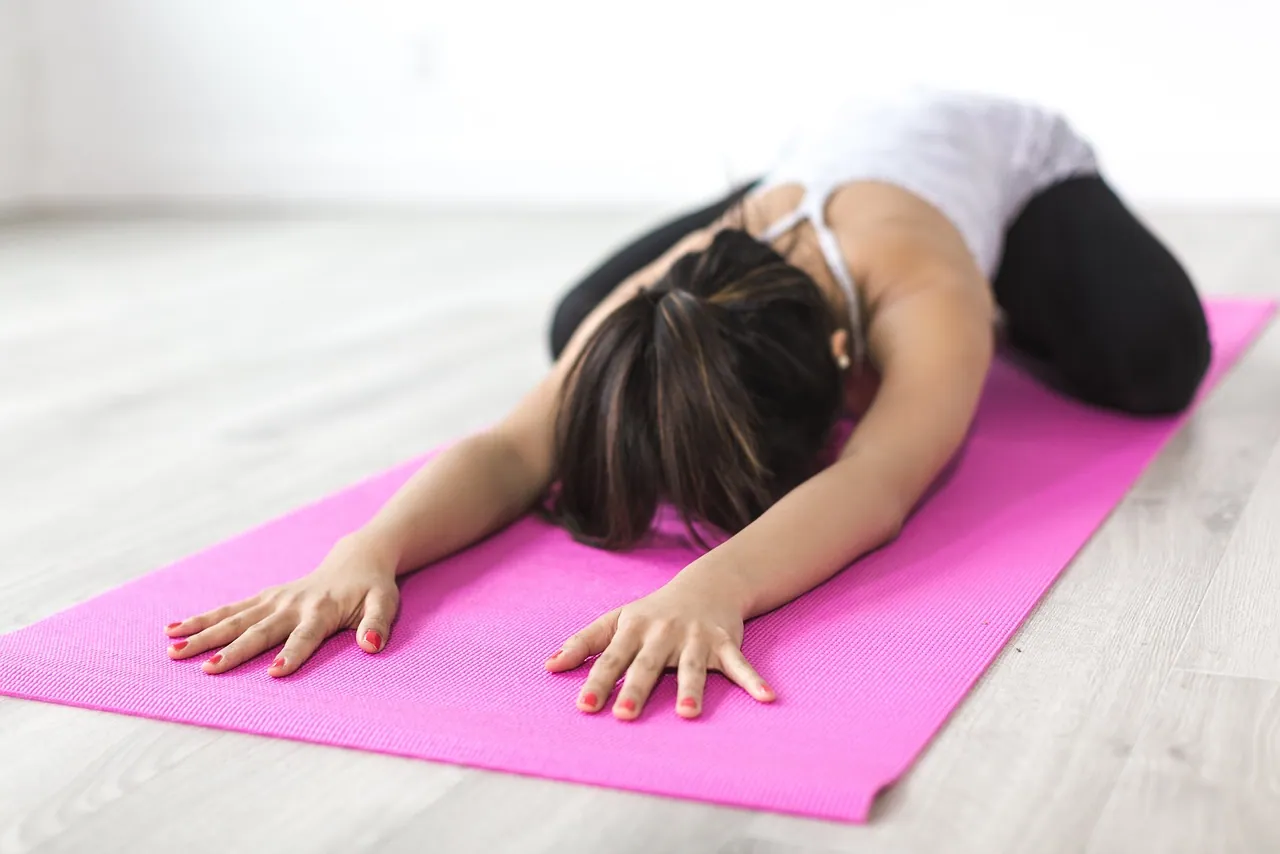
Yoga app for beginners: a 4-week starter plan using free content only
A good yoga app for beginners gives you short, repeatable sessions before long ones. The plan below uses only the free options above. It builds from about 45 minutes a week to about 120 minutes a week, three to five days a week. Pick fixed times, for example after morning chai or before dinner, and practise on an empty or light stomach (2–3 hours after a full Indian meal).
| Week | Days / week | Session (free source) | Length | Weekly total | Focus cue for the week |
|---|---|---|---|---|---|
| 1 | 5 | Y-Break routine on workdays + one 10-minute YouTube beginner video on 2 of those days | 5–15 min | ~45 min | Breathe through the nose; never hold your breath in a stretch |
| 2 | 4 | 20-minute beginner flow (YouTube or Nike Training Club) ×3 + Y-Break ×1 | 5–20 min | ~65 min | Knees soft in forward bends; bend the knees before rounding the lower back |
| 3 | 4 | 25–30-minute flows ×3 + one 10-minute breathing/relaxation session | 10–30 min | ~95 min | In lunges and Warrior poses, front knee tracks over the second toe |
| 4 | 4–5 | 30-minute flows ×3 + Y-Break on two busy days | 5–30 min | ~100–120 min | Stop and back off if you feel sharp, pinching or joint pain, not just stretch |
At the end of week 4, check whether you can finish a 30-minute flow without skipping poses and without pain the next day. If you can, move on to longer or more varied classes. If a specific pose keeps bothering you, that is the point where a teacher helps more than another video. For pose-by-pose alignment cues, see our yoga poses guide.
What can’t a free yoga app do?
A free yoga app cannot see you, so it cannot correct your alignment. The US National Center for Complementary and Integrative Health says learning yoga on your own without supervision “has been associated with increased risks”. It recommends practising under a qualified instructor. Sprains and strains are the most common yoga injuries.
That guidance is on NCCIH’s yoga effectiveness and safety page. The same page notes that serious injuries are rare and that yoga’s injury risk is lower than that of higher-impact activities, so this is no reason to avoid yoga. It is a reason to be careful when you are learning alone.
The US numbers show the trend. A 2016 analysis of emergency-department data counted 29,590 yoga-related injuries from 2001 to 2014. The injury rate rose from 9.55 to 17.01 per 100,000 participants. In adults aged 65 and over it rose from 18.41 per 100,000 in 2004 to 57.91 in 2014. The trunk was the most commonly injured region (46.6%), and sprains or strains made up 45.0% of diagnoses (Swain & McGwin, 2016, PMC). Many of these injuries are the kind a teacher can often head off with one verbal cue.
| Pose | Common self-taught mistake | What it strains | Correction cue | Hold / reps for beginners |
|---|---|---|---|---|
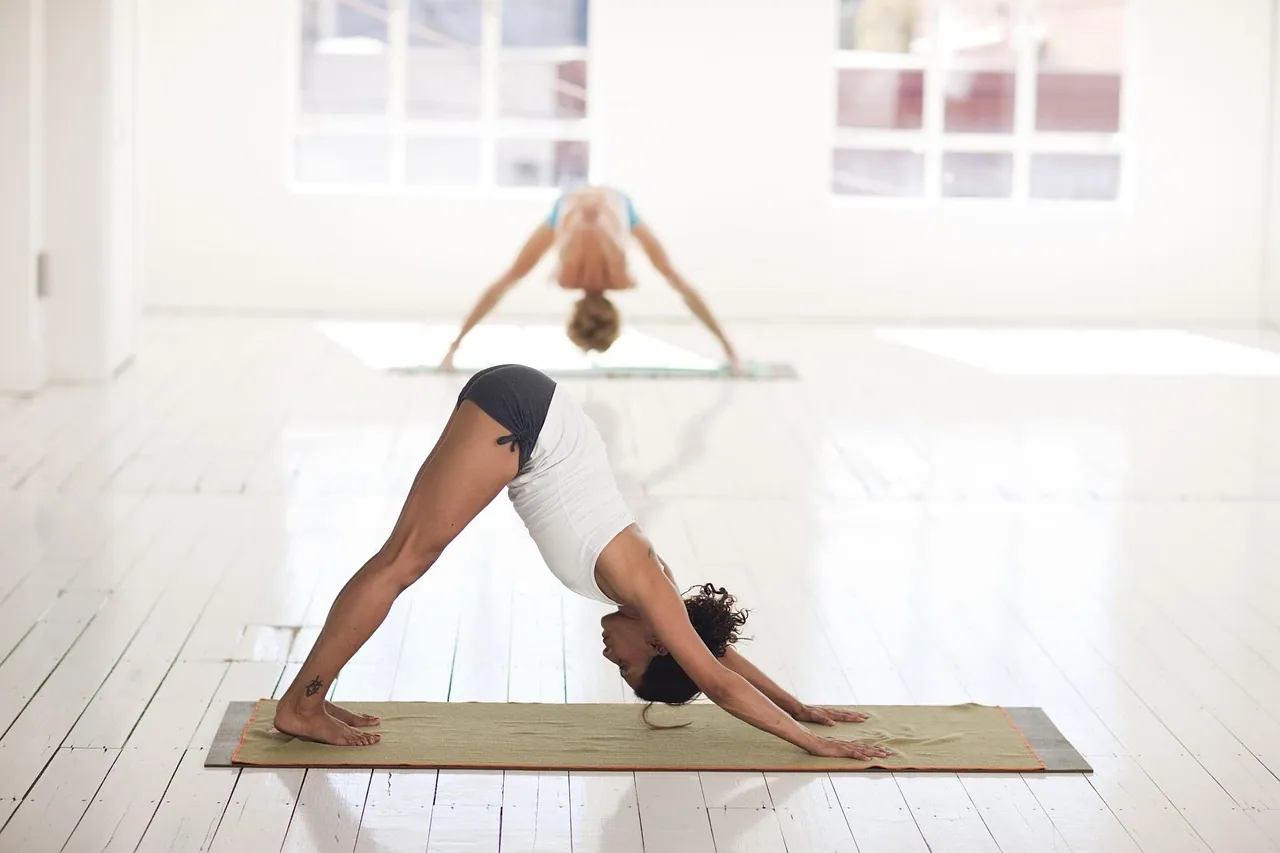
| Downward Dog (Adho Mukha Svanasana) | Straight legs forced, back rounds | Lower back, hamstrings | Bend knees generously; lift hips back and up first | 5 breaths, 3 rounds, 20 s rest |
| Cobra (Bhujangasana) | Pushing up with arms, shoulders near ears | Lower back, neck | Low cobra: lift with the back muscles, elbows bent and hugging in | 3–5 breaths, 3 reps |
| Warrior II (Virabhadrasana II) | Front knee collapses inward | Knee (inner side) | Front knee over second toe; press the outer edge of the back foot down | 5 breaths each side, 2 rounds |
| Standing forward bend (Uttanasana) | Locked knees, bouncing to reach the floor | Hamstrings, lower back | Hands on shins or blocks; hinge from the hips, knees soft | 5 breaths, 2 rounds |
| Shoulder stand (Sarvangasana) | Weight on the neck, head turning | Cervical spine | Skip it until a teacher has checked your setup; use legs-up-the-wall instead | Legs-up-the-wall 1–3 min |
Troubleshooting: when your app routine stops working
Most people quit a yoga app because of friction, not because yoga stopped helping.
- “I stop after two weeks.” Shrink the session, don’t skip it. On busy days a 5-minute Y-Break keeps the habit alive. Missing one day is harmless. Missing four in a row is usually where people drop off.
- “My lower back aches after class.” Look at your forward bends and Downward Dog first. Bend your knees more and stop long holds. If the ache lasts more than a few days or runs down a leg, see a doctor before you continue.
- “The free content has run out.” Rotate sources: Nike Training Club one day, YouTube the next, Y-Break on weekdays. If you have outgrown the free options, pay for one month of a subscription you have tested properly, not a year of one you haven’t.
- “There’s nothing in Hindi.” Down Dog’s App Store listing shows 13 languages and Hindi is not among them. Daily Yoga’s iOS listing doesn’t include Hindi either. Government resources and Indian YouTube teachers are your best bet for Hindi instruction.

Who should skip app-only yoga?
For most healthy adults a free app is a reasonable way to start. Some people should get individual guidance before they practise alone:
- Adults over 60, and anyone with a history of falls. In the US data above, the injury rate among people 65 and over rose more than threefold in a decade.
- Pregnant women. Prenatal sequences exist in some paid apps, but you need your obstetrician’s clearance and a teacher who adjusts the practice by trimester.
- People with glaucoma, uncontrolled high blood pressure, recent surgery, a disc problem, or osteoporosis. Inversions, deep forward bends and strong twists may need changing. Ask your doctor which positions to avoid.
- Anyone in pain right now. An app cannot tell a useful stretch from a movement that makes an injury worse.
NCCIH summarises the evidence as modest but real. A 2020 review of 12 studies with 672 participants found yoga helped perceived stress in every study it included, and yoga was “slightly better than no exercise” for low back pain. It helps most when done correctly and consistently. For these groups, “correctly” usually means with a teacher.
App, YouTube or live online class? A straight comparison
- Free app or YouTube: ₹0, available any time, unlimited repeats. No feedback and no adjustments for your body. Motivation depends entirely on you.
- Paid app: the Indian App Store tiers listed above, as of September 2026. You get sessions that adapt to your time and level and more styles, but still no one watching you.
- Live online class: a teacher sees you on camera, corrects your alignment, and changes poses for injuries or conditions. It happens at a fixed time, which helps many people show up regularly.
A sensible path for most beginners is 4–8 weeks on free content to build the habit. Then book a few live sessions to fix alignment problems before they turn into strains. If yoga is part of a bigger goal like strength, mobility or weight management, 1-on-1 personal training can combine it with the rest of your programme. For weight-focused sequences, see our guide to yoga poses for weight loss.
Frequently asked questions
What is the best free yoga app in India?
For fully free use as of September 2026, Nike Training Club is the best general choice for full-length sessions, and the Ministry of Ayush’s Y-Break Pro is best for a daily 5-minute routine. Down Dog and Daily Yoga are excellent but need a paid subscription after a trial or a few free courses.
Is Down Dog yoga app free?
Not long-term. Down Dog’s FAQ says that since September 2018 it offers a brief free trial with full access, after which a subscription is required. Its in-app purchases on Apple’s Indian App Store range from ₹349 to ₹4,999 across plans (as of September 2026).
Is the Y-Break app free, and who is it for?
Yes. Y-Break Pro, from the Ministry of Ayush, is listed as free on Google Play and says it collects no user data. It teaches one five-minute routine of stretches, alternate-nostril breathing and humming-bee breathing, designed for working professionals to do at their desks.
Can I learn yoga only from an app?
You can learn the basics, but NCCIH notes that learning yoga on your own without supervision has been associated with higher injury risk. It recommends a qualified instructor. Use an app to build the habit and book occasional live sessions to check your alignment.
How many minutes of app yoga should a beginner do?
Start with 5–15 minutes, five days a week, and build to about 30-minute sessions three or four times a week over four weeks. Increase the time only when you finish sessions without pain the next day.
Is there a free yoga app in Hindi?
The big international apps don’t list Hindi. Down Dog’s App Store listing shows 13 languages without Hindi, and Daily Yoga’s iOS listing doesn’t include it either. Government resources from the Ministry of Ayush and Hindi-language YouTube teachers are the most practical free options.
How do I cancel a yoga app subscription in India?
Cancel through the store, not by deleting the app. On Android go to Play Store → profile → Payments & subscriptions. On iPhone go to Settings → your name → Subscriptions. If you paid by UPI, also check the AutoPay mandates in your UPI app.
When you’ve outgrown the free options, or want someone to actually check your Downward Dog, book a trial of Fitstrot’s live online yoga classes, where a certified teacher watches and corrects you on camera.


