
A diet to lose belly fat does not rely on a single “fat-burning” food. It is a steady way of eating that cuts total calories and shifts four things: more soluble fibre, more protein at every meal, fewer refined grains and far fewer sugary drinks. Long-term studies link these four changes to smaller amounts of the deep visceral fat that sits around your organs. This guide covers only food: what the research found, what the numbers mean on an Indian plate, and a diet chart you can follow from tomorrow.
For a day-by-day schedule, see our 10-day belly fat plan. For drinks, see what to drink to lose belly fat. This page is about the meals themselves.
What is the best diet to lose belly fat?
The best diet to lose belly fat is a modest calorie deficit you can sustain, built on vegetables, pulses, whole grains and protein at each meal, with almost no sugary drinks. ICMR-NIN’s 2024 guidelines put the safe pace at about 0.5 kg a week and say never to go below 1,000 kcal a day.
That figure comes from the ICMR-NIN Dietary Guidelines for Indians (2024). The same document says unhealthy diets cause 56.4% of India’s total disease burden. It advises vegetables at every meal, whole grains, pulses and beans, and avoiding sugar, fruit juices and processed foods high in fat, sugar and salt. No single named diet (keto, low-fat, intermittent fasting) is clearly better for the waist. The one that works is the one that keeps your calories below maintenance for months, not days.
Belly fat or visceral fat: which one is the problem?
There are two kinds of belly fat. Subcutaneous fat sits just under the skin, and you can pinch it. Visceral fat sits deeper, around the liver, intestines and other organs, and that is the kind linked to diabetes, fatty liver and heart disease. You can’t see visceral fat in the mirror, but a tape measure gives a reasonable estimate.
ICMR-NIN’s 2024 guidelines say a waist over 90 cm in men or 80 cm in women is linked to a higher risk of several chronic lifestyle diseases. By the same document’s count, abdominal obesity affects 53% of urban and 19% of rural Indian adults. The Indian cut-offs are stricter than Western ones. Mayo Clinic treats more than 102 cm (40 inches) as the warning sign for men. The gap exists because South Asians tend to carry more body fat at the same BMI.
To measure, breathe out and place the tape just above your hip bones, level all the way round. Do it once a week. Your waist tells you more than the scale, which can move 1–2 kg from water and salt alone.
What a lose visceral fat diet actually changes
Visceral fat usually responds to a calorie deficit sooner than the fat under the skin. So a lose visceral fat diet is a good fat-loss diet with clear priorities: the levers below have scan-measured evidence for visceral fat, not just body weight.
The evidence behind a diet to lose belly fat, in one table
These studies measured abdominal fat with CT scans or tracked fat loss in trials. Here is what each one means for an Indian kitchen.
| Diet change | What the study found | Study (year) | On an Indian plate |
|---|---|---|---|
| More soluble fibre | Each extra 10 g/day of soluble fibre went with a 3.7% slower build-up of visceral fat over 5 years (CT scans, 1,114 adults) | IRAS Family Study, Obesity (2012) | Oats, isabgol, rajma, chana, moong, guava, apple, bhindi |
| Fewer sugary drinks | Visceral fat grew by 852 cm³ in daily drinkers vs 658 cm³ in non-drinkers over about 6 years (1,003 adults) | Framingham Third Generation, Circulation (2016) | Cut cola, packaged juice, sweet lassi, sugary chai |
| Whole grains instead of refined | Visceral fat was 1,563 cm³ in the highest whole-grain group vs 1,883 cm³ in the lowest (2,834 adults) | Framingham Heart Study, AJCN (2010) | Bajra, jowar, ragi, broken wheat, brown rice instead of maida and polished rice |
| More protein, same calories | High-protein diets led to 0.87 kg more fat loss and kept 0.43 kg more lean mass (24 trials, 1,063 people) | Meta-analysis, AJCN (2012) | Paneer, eggs, dal, curd, chicken, fish, soya at every meal |
| Low-carb vs low-fat | 12-month weight loss: 6.0 kg low-carb vs 5.3 kg low-fat, not a significant difference (609 adults) | DIETFITS, JAMA (2018) | Pick the style you can sustain; the quality of the food matters more than the label |
One caution. The fibre, sugary-drink and whole-grain studies are observational. They show links, not proof that one food caused the change. They still point the same way, and the protein and low-carb results come from randomised trials.
Soluble fibre: the lever with a number attached
In the IRAS Family Study (2012), researchers scanned 1,114 adults at the start and again five years later. Each extra 10 g of soluble fibre a day went with a 3.7% slower build-up of visceral fat, independent of BMI change. Moderate activity went with a further 7.4% slower build-up.
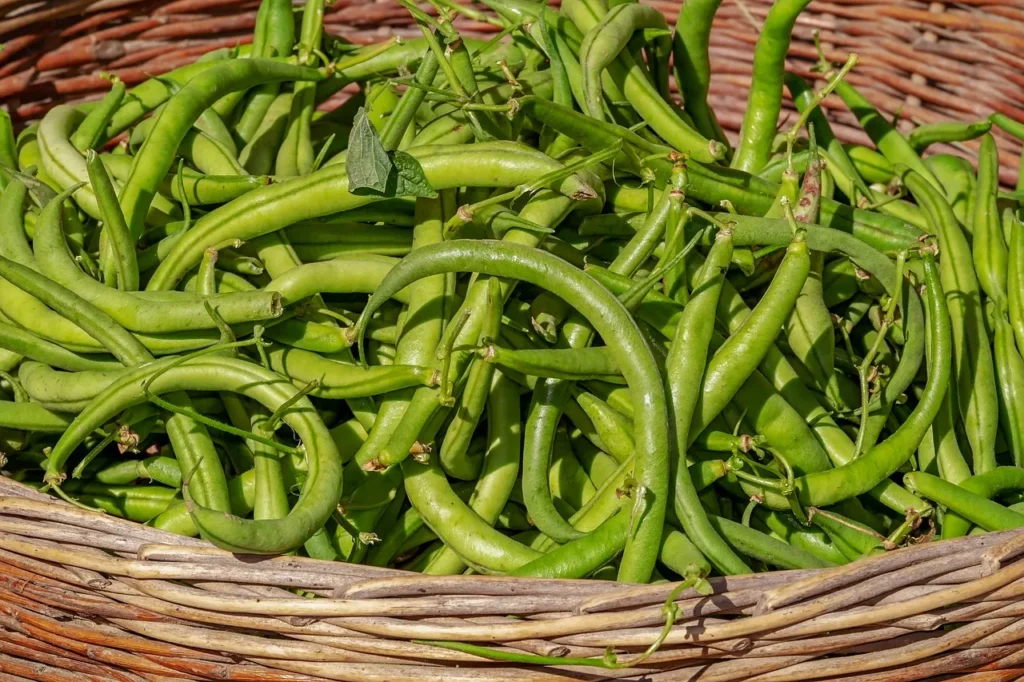
Ten grams of soluble fibre is a lot, because most foods are mostly insoluble fibre. Realistic Indian sources are a bowl of oats (about 1.5–2 g of beta-glucan), a teaspoon of isabgol (psyllium husk) in water, a katori of rajma or chana, and a guava or apple with the skin. Increase slowly over two weeks and drink more water, or you will get bloating.

Protein: protecting muscle while the waist shrinks
When you eat less, your body loses some muscle as well as fat. Losing muscle makes the next kilo harder. A 2012 meta-analysis of 24 trials compared high-protein and standard-protein diets with the same calories and fat. The high-protein group lost 0.79 kg more body weight and 0.87 kg more fat mass, and kept 0.43 kg more lean mass.
ICMR-NIN sets the protein RDA at 0.83 g per kg of body weight for healthy adults. That is about 58 g a day for a 70 kg person. Cereal-heavy Indian meals often fall short: a bowl of poha with tea has only about 5–6 g. For a full target, see our high-protein diet for weight loss guide.

Refined carbs: the maida and polished-rice problem
In a Framingham Heart Study analysis (2010) of 2,834 adults, people who ate the most whole grains had about 17% less visceral fat than those who ate the least (1,563 vs 1,883 cm³). People who ate the most refined grains had more (1,928 vs 1,727 cm³).
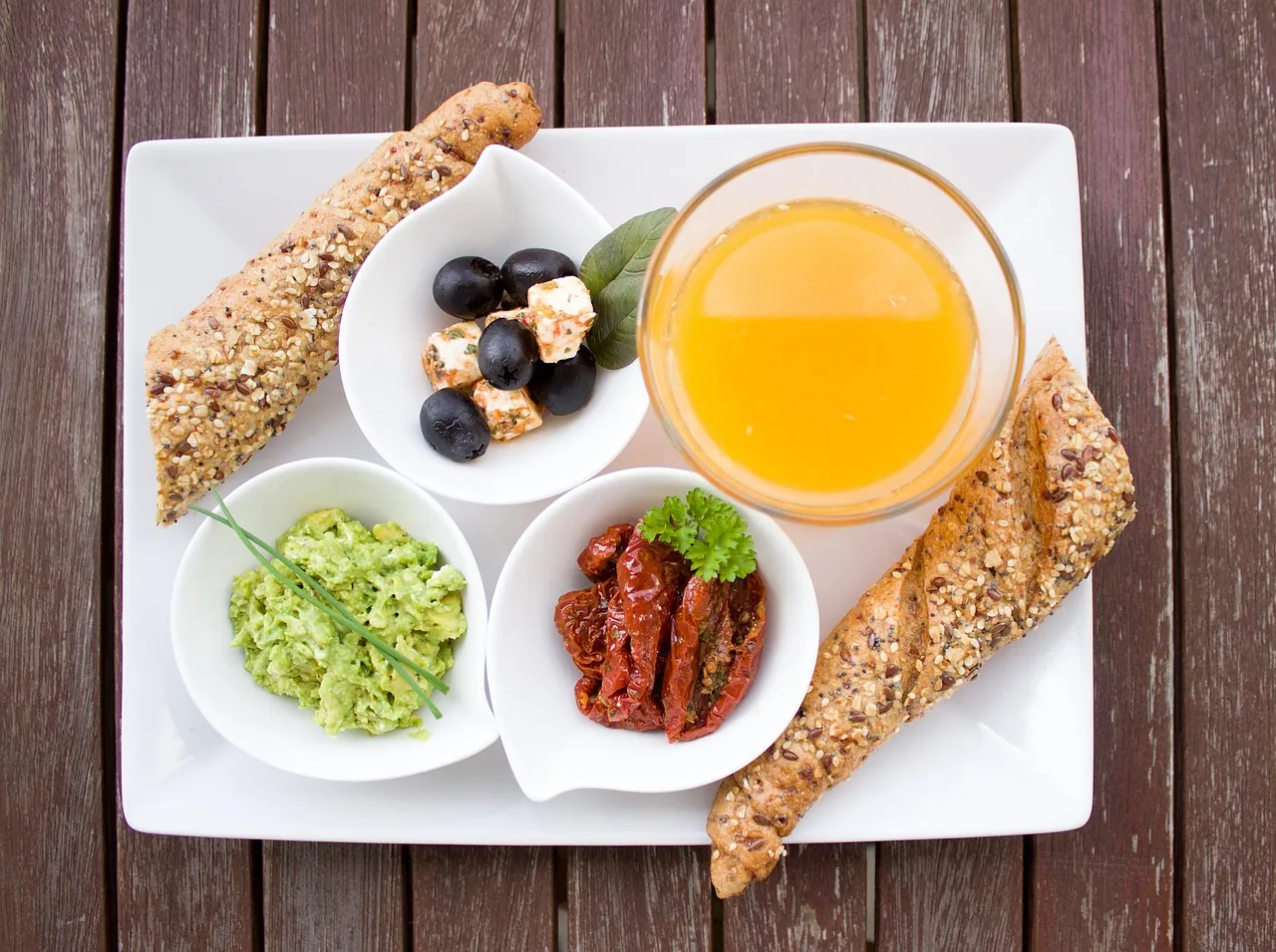
In India, refined grains mostly mean polished white rice, maida (in naan, bread, biscuits, bakery items and many namkeens) and large helpings of fine-flour rotis. You don’t have to cut out rice. The practical fix is smaller cereal portions and more pulses and vegetables on the plate. For some meals, swap in millets such as bajra, jowar or ragi, or use broken wheat (dalia).
Sugar and sugary drinks: the fastest cut
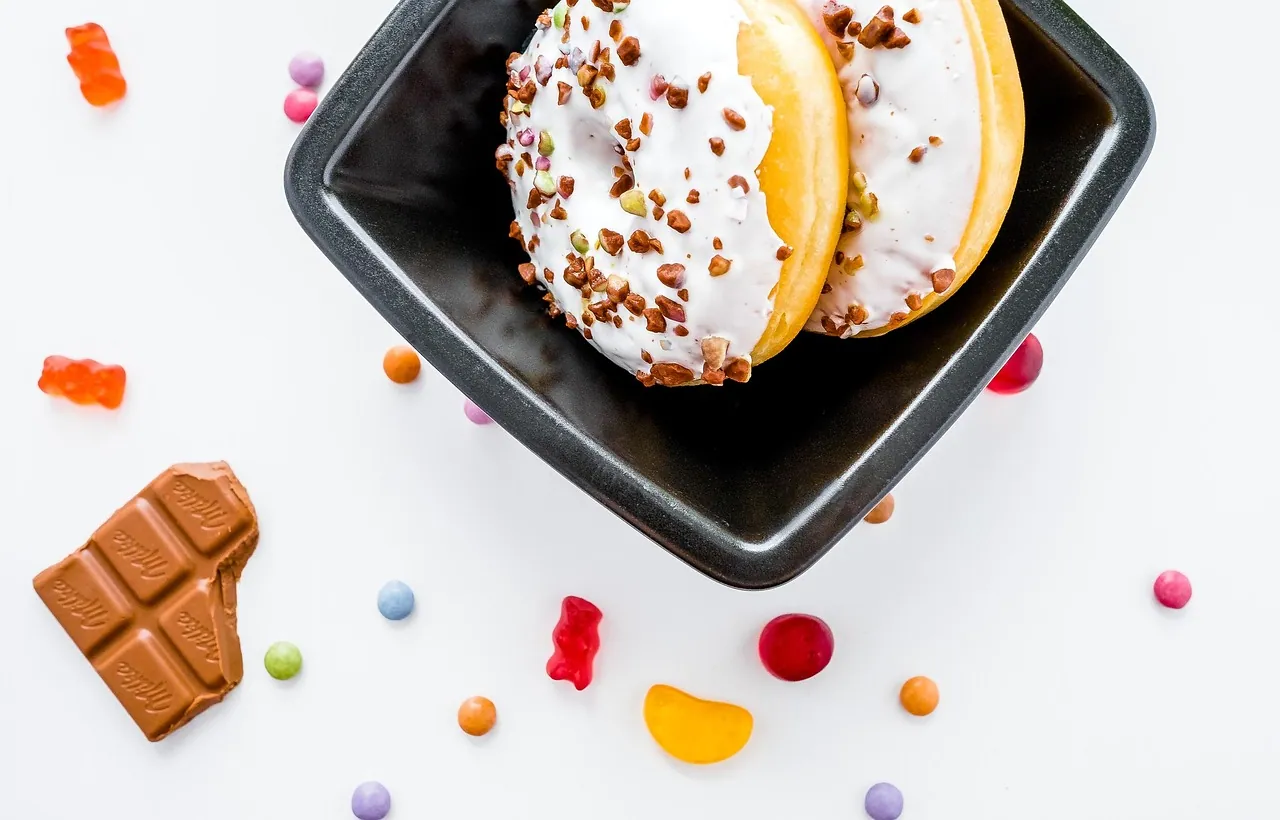
Sugar you drink is the easiest item to remove and likely matters a great deal. In the Framingham Third Generation cohort (2016), 1,003 adults had CT scans about six years apart. Visceral fat grew by 852 cm³ in daily sugary-drink consumers and by 658 cm³ in non-consumers, after adjusting for weight change. Diet soda showed no such link.
The WHO healthy diet fact sheet advises keeping free sugars below 10% of daily energy, and says 5% or less gives extra benefit. ICMR-NIN is stricter. It recommends added sugar below 5% of energy, or roughly 20–25 g a day for adults. Three cups of chai with two teaspoons each already add about 30 g. Add a glass of packaged juice or a cold drink, and your whole day’s allowance is gone before lunch.
Alcohol: calories that go to the middle
Mayo Clinic lists excess alcohol as a cause of belly fat. A 750 ml beer has about 300 kcal before any bar snacks. If you drink, set a weekly limit and count it.
Low carb diet to lose belly fat: does it beat a balanced plate?
A low-carb diet does not reliably beat a healthy balanced diet for belly fat. In the 12-month DIETFITS trial (JAMA, 2018), 609 adults lost 6.0 kg on healthy low-carb and 5.3 kg on healthy low-fat eating, a difference that was not statistically significant. Food quality and sticking with it mattered more.
In DIETFITS, both groups ate whole foods, lots of vegetables, and little added sugar or refined flour. That shared advice probably did most of the work.
A moderate low-carb approach can still help Indians, because typical meals get most of their calories from cereals. Cutting rice or roti to one portion per meal and adding dal, paneer, eggs or curd is a sensible middle ground. Strict keto with fewer than 50 g of carbs a day is hard to keep up on a family meal plan. If you have diabetes or take blood-sugar medication, check with your doctor before cutting carbs sharply.
Lose belly fat diet chart: an Indian day, veg and non-veg
This is a template for one day, not a fixed plan to repeat for a set number of days. It comes to roughly 1,400–1,600 kcal and 60–75 g of protein. That suits many moderately active adults as a modest deficit. Taller or more active people, and most men, will need more. Swap freely inside each slot.
| Time | Meal | Vegetarian option | Non-veg option | Approx. protein |
|---|---|---|---|---|
| 7:00 am | On waking | Water; 1 tsp isabgol in water (optional) | Same | 0 g |
| 8:00 am | Breakfast | Vegetable oats upma (40 g oats) + 200 g curd | 2-egg bhurji + 1 multigrain roti + cucumber | 12–14 g |
| 11:00 am | Mid-morning | 1 guava or apple + 30 g roasted chana | 1 guava + buttermilk | 5–7 g |
| 1:30 pm | Lunch | 1 katori rajma + 1 small katori rice or 1 bajra roti + salad + sabzi | 100 g chicken curry (less oil) + 1 roti + salad + sabzi | 15–25 g |
| 4:30 pm | Evening | Tea with no sugar + 20 g almonds or makhana | Tea with no sugar + 1 boiled egg | 4–6 g |
| 7:30 pm | Dinner | 100 g paneer or tofu tikka + moong dal + stir-fried vegetables | 120 g grilled fish + moong dal + stir-fried vegetables | 20–28 g |
| Daily total | about 60–75 g | |||
How to use it: keep cooking oil to about 3–4 teaspoons for the whole day. Fill half the lunch and dinner plate with vegetables. Put protein on the plate first and cereal last. Dinner goes 2–3 hours before bed, mainly because late, heavy dinners make overeating easier.
Indian diet to lose belly fat: protein and fibre per portion
Use this list to build your own meals. The figures are approximate values for common portions (raw weights for pulses and grains) and vary with the variety and how you cook it.
| Food and portion | Protein (g) | Fibre (g) | Energy (kcal) | Best use |
|---|---|---|---|---|
| Chicken breast, 100 g raw | 22 | 0 | 120 | Lunch or dinner |
| Fish (rohu), 100 g raw | 17 | 0 | 100 | Dinner |
| Paneer, 100 g | 18 | 0 | 260 | Dinner; watch the portion |
| Soya chunks, 30 g dry | 15 | 4 | 105 | Pulao, curry |
| Eggs, 2 whole | 12–13 | 0 | 140 | Breakfast |
| Rajma, 40 g raw | 9 | 6 | 140 | Lunch |
| Whole moong, 30 g raw | 7 | 5 | 100 | Dal, sprouts, chilla |
| Curd (low-fat), 200 g | 7 | 0 | 120 | Breakfast, raita |
| Roasted chana, 30 g | 6 | 5 | 110 | Snack |
| Oats, 40 g | 5 | 4 | 150 | Breakfast |
| Almonds, 20 g | 4 | 2.5 | 120 | Snack |
| Guava, 1 medium (150 g) | 4 | 8 | 100 | Snack |
| Isabgol, 1 tsp (5 g) | 0 | 4 | 15 | In water, morning or night |
Veg diet to lose belly fat: hitting protein without meat
Pulses give vegetarians protein and soluble fibre together. The usual gap is too little protein. Three habits fix it:
- Two protein foods per main meal. Dal plus curd, rajma plus raita, or paneer plus moong. A single thin katori of dal gives only about 5–6 g.
- Make breakfast protein-first. Besan or moong chilla, sprouts chaat, or oats cooked in milk instead of plain poha or bread.
- Use soya and tofu twice a week. They give the most protein per calorie of any vegetarian food here.
Vegans can replace dairy with tofu and soya milk.
Myth check: are there foods that burn belly fat fast?
No food burns belly fat fast. Lemon water, green tea, apple cider vinegar and “fat-cutter” powders have no proven effect on visceral fat that is large enough to matter. Fat comes off the belly when you stay in a calorie deficit for weeks, and your body, not your food choice, decides which fat store shrinks first.
The same goes for spot reduction. In a 2011 randomised trial, 24 adults did seven abdominal exercises five days a week for six weeks while their diet stayed the same. Their belly fat, waist size and body fat percentage did not change. Their core got stronger. Crunches build muscle, and diet reveals it.
Other myths worth dropping:
- “Jaggery and honey are safe sugars.” ICMR-NIN counts jaggery and honey as added sugar.
- “Fruit juice is as good as fruit.” Juice removes most of the fibre, and ICMR-NIN lists fruit juices among the things to avoid if you want to keep your waist in check.
How to diet to lose belly fat: a four-step walkthrough
Step 1: Measure your baseline. Record your weight and waist before breakfast, then log three normal days of eating. Many calories hide in tea, snacks and cooking oil.
Step 2: Set a modest deficit. Cut about 400–500 kcal from your usual intake, which works out to roughly 0.5 kg a week. That matches ICMR-NIN’s safe pace. Never go below 1,000 kcal a day without medical supervision. For most people, these three changes are already enough:
- stop sugary drinks (−150 to −300 kcal)
- cut cooking oil by 2 tsp (−90 kcal)
- take half a portion less rice or one roti fewer at each main meal (−100 to −150 kcal)
Step 3: Rebuild the plate. Half vegetables, a quarter protein, a quarter whole-grain cereal, plus curd or a pulse. Add one soluble-fibre food every day: oats, isabgol, rajma, chana or guava.
Step 4: Review every two weeks, not every day. Losing about 1–2 cm of waist a month is realistic progress for most people. If nothing has moved in four weeks, use the troubleshooting section below.
Diet does most of the work, but Mayo Clinic points to the standard target of 150 minutes of moderate aerobic activity a week plus strength training twice a week. That combination keeps the muscle you want while you lose fat. If you would like someone to plan the training side with you, our online weight loss trainers build it around your diet.
Diet to lose belly fat for women, and what changes for men
Women: The waist risk line in India is lower, at 80 cm. ICMR-NIN notes that women are at higher risk of weight gain around pregnancy and after menopause. A diet to lose belly fat for women needs enough protein and calcium (dairy, ragi, sesame), and iron from green leafy vegetables, pulses and eggs, because anaemia is common and crash diets make it worse. Women with PCOS or thyroid conditions should work with their doctor, as those conditions need their own plan.
Men: The waist risk line is 90 cm, and men store visceral fat more easily. The biggest levers for men are usually alcohol, fried snacks with drinks, and large portions of rice or roti. Most men will need an extra roti or a bigger protein portion than the chart above.
Over 45, or with diabetes or high blood pressure: Talk to your doctor before cutting calories or carbs, especially if you take medicines that lower blood sugar or blood pressure. Those doses may need adjusting as you lose weight.
Troubleshooting: my waist isn’t shrinking
- Weight dropped, waist didn’t: Early loss is often water and glycogen. Keep measuring. Waist changes usually lag the scale by 2–4 weeks.
- Nothing moved in 4 weeks: The deficit is probably smaller than you think. Measure your cooking oil for a week and log weekend meals honestly.
- Constant hunger: Add protein at breakfast and a fibre-rich snack in the afternoon. Hunger that lasts all day usually means the deficit is too large.
- Bloating after adding fibre: Increase fibre gradually and drink 2.5–3 litres of water. Soak and pressure-cook pulses well.
Frequently asked questions
What should I eat to lose belly fat?
Eat vegetables at every meal, a protein source at each meal (dal, curd, paneer, eggs, fish or chicken), whole grains or millets instead of maida and polished rice, and at least one soluble-fibre food daily, such as oats, isabgol, rajma or guava. Cut sugary drinks first.
How long does it take to lose belly fat with diet?
At the ICMR-NIN safe rate of about 0.5 kg a week, most people see a measurable change in waist size in 4–8 weeks. A meaningful reduction usually takes 3–6 months. Results depend on your starting point, sleep and activity, and no timeline is guaranteed.
Is rice bad for belly fat?
No. Portion size and what you eat with the rice matter more. One small katori of rice with dal, vegetables and curd fits a belly-fat diet. Large helpings of polished rice with little protein or vegetables are the problem.
Can I lose belly fat without exercise?
Yes, a calorie deficit alone reduces belly fat. Adding activity helps more. In the IRAS Family Study, moderately active people had a 7.4% slower build-up of visceral fat, and strength training helps you keep muscle while you lose fat.
Which Indian breakfast is best for belly fat?
Choose a breakfast with at least 12–15 g of protein and some fibre: moong dal chilla with curd, vegetable oats upma with curd, egg bhurji with a multigrain roti, or sprouts chaat. Plain poha, bread-jam and biscuits with tea are low in protein.
Does sugar cause belly fat?
Excess added sugar, especially in drinks, is strongly linked to visceral fat. A 2016 Framingham study found daily sugary-drink consumers gained more visceral fat over six years than non-consumers. ICMR-NIN advises keeping added sugar to about 20–25 g a day.
Want a belly-fat diet built around your own kitchen? Book a session with a Fitstrot online nutritionist. You’ll get a plan based on your waist, the foods you like and your schedule, and it will be reviewed every two weeks.


