
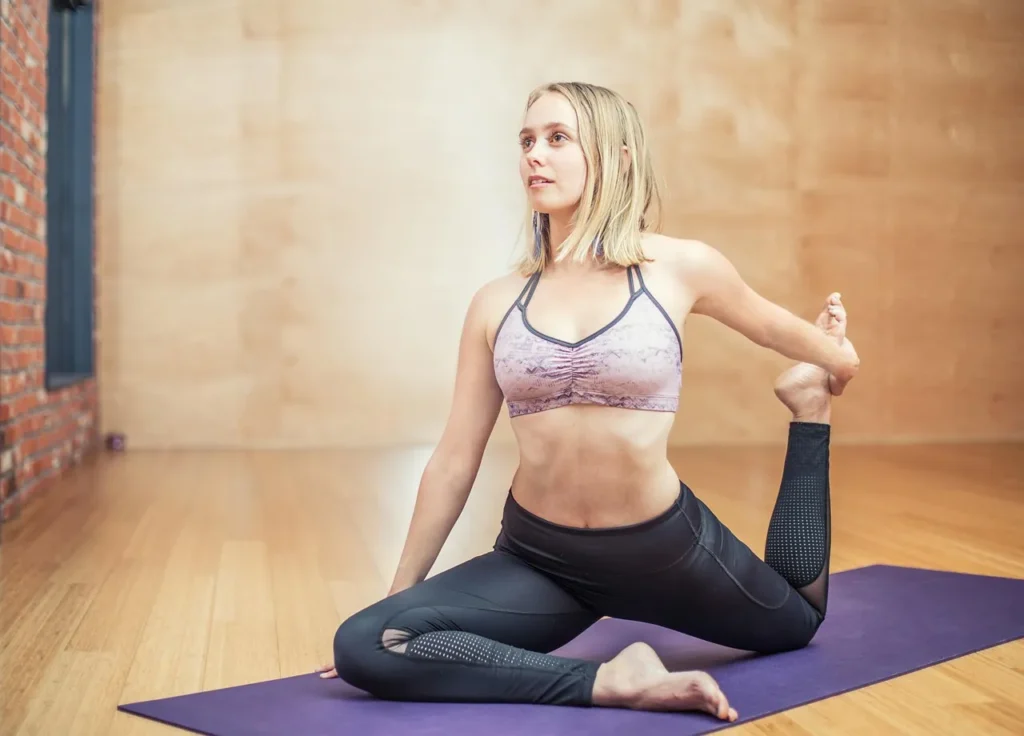
Pilates for weight loss is one of the most searched fitness questions in India right now, and most answers online are either oversold or dismissive. The honest version sits in the middle. A 30-minute mat Pilates session burns roughly 55–110 kcal for most adults, which is less than a brisk walk. Yet trials in overweight adults still show real drops in body weight and body fat when people stick with it for two to six months. This guide explains why both things are true, compares Pilates with walking, yoga and HIIT in actual numbers, and gives you a routine and a four-week plan you can start on a mat at home.
One ground rule before we begin: no exercise method, Pilates included, outworks your plate. Treat Pilates as the strength-and-control part of a weight loss plan, not the whole plan, and you will get far more out of it.
Can Pilates help you lose weight?
Yes, modestly. A 2021 meta-analysis of 11 randomised trials (393 adults with overweight or obesity) found Pilates reduced body weight by about 2.4 kg, BMI by 1.2 points and body fat by roughly 4 percentage points versus control groups. Programmes lasting longer than 10 weeks worked better. Waist size did not change significantly.
That review, by Xu and colleagues in Frontiers in Physiology, is the best summary available. It pooled 11 RCTs with interventions running 8 to 24 weeks and reported a mean weight difference of −2.40 kg and a body fat difference of −4.22%. Two details matter for anyone reading the headline. First, the authors deliberately left out trials that added a diet programme, so these results come from exercise alone. Second, they rated the certainty of evidence as low to moderate, mainly because the studies were small. Lean mass did not change, which suggests that Pilates helped people lose fat without losing muscle.
So the realistic expectation is this. If you have extra weight to lose and you do Pilates two or three times a week for three months without changing anything else, a loss of 1–3 kg is a fair outcome. Add a sensible calorie deficit and more daily walking, and the scale moves faster. Pilates also helps you hold on to muscle while you diet.
Pilates calories burned, next to walking, yoga and HIIT
Energy cost is measured in METs (metabolic equivalents), where 1 MET is roughly 1 kcal per kg of body weight per hour at rest. The 2024 Adult Compendium of Physical Activities is the reference researchers use for these values. It lists traditional mat Pilates at 1.8 METs and general Pilates at 2.8 METs. Hatha yoga is 2.3 METs, walking at about 4.8 km/h is 3.0 METs and brisk walking is 4.8 METs. The table converts those values into calories for two common body weights.
| Activity (Compendium entry) | METs | 60 kg person | 80 kg person |
|---|---|---|---|
| Pilates, traditional mat | 1.8 | ~54 kcal | ~72 kcal |
| Hatha yoga | 2.3 | ~69 kcal | ~92 kcal |
| Pilates, general (flowing class, reformer) | 2.8 | ~84 kcal | ~112 kcal |
| Walking, 2.5–3 mph (4–4.8 km/h) | 3.0 | ~90 kcal | ~120 kcal |
| Brisk walking, 3.5–3.9 mph (5.6–6.3 km/h) | 4.8 | ~144 kcal | ~192 kcal |
| Circuit training, moderate effort | 5.0 | ~150 kcal | ~200 kcal |
| Aerobic dance (closest entry to a Zumba-style class) | 7.3 | ~219 kcal | ~292 kcal |
| HIIT, vigorous (burpees, squat jumps, Tabata) | 11.0 | ~330 kcal | ~440 kcal |
These are estimates. Your actual burn depends on pace, rest between exercises, muscle mass and fitness. Harvard Health’s own chart gives similar figures for comparable activities. It lists about 144 kcal per 30 minutes of hatha yoga and 133 kcal for walking at 3.5 mph for a 70 kg (155 lb) person. Pilates is not on Harvard’s list, so the Compendium is the better source for it.
Put in Indian food terms, a 30-minute mat session for a 60 kg woman burns about as much as one medium phulka. That is why Pilates alone rarely creates a big calorie deficit. It is also why people who “do Pilates daily and don’t lose weight” are usually not doing anything wrong in class. The deficit has to come mostly from food and from total daily movement.
What the trials show, read honestly
If Pilates burns so little, why do trials show fat loss at all? There are three likely reasons, and none of them is magic.
- Beginners respond more. Most trial participants were inactive before the study. Any structured exercise three times a week changes body composition in previously sedentary people.
- Muscle is kept or gained. Pilates is resistance work against body weight, springs or bands. Keeping lean mass while fat drops shows up as a lower body fat percentage even when the scale moves only a little.
- Behaviour shifts. People who train regularly tend to sleep better, snack less when stressed and walk more. None of that shows up as “Pilates calories”.
A 2025 randomised trial published in Scientific Reports shows the pattern well. It studied 47 overweight and obese women aged 30–60. The group doing reformer Pilates three times a week for 8 weeks improved body composition, grip strength, core endurance and anxiety/depression scores compared with a control group. Sleep quality did not change significantly. It is a small, short study, but it matches the meta-analysis. The benefits are real, broad and moderate in size.
What the evidence does not show is Pilates beating other exercise for weight loss. When fat loss is the main goal, higher-output activities such as brisk walking, cycling, dance fitness and circuit training burn more per minute. Pilates earns its place for strength, posture and consistency.
Mat Pilates vs reformer: which one suits weight loss?
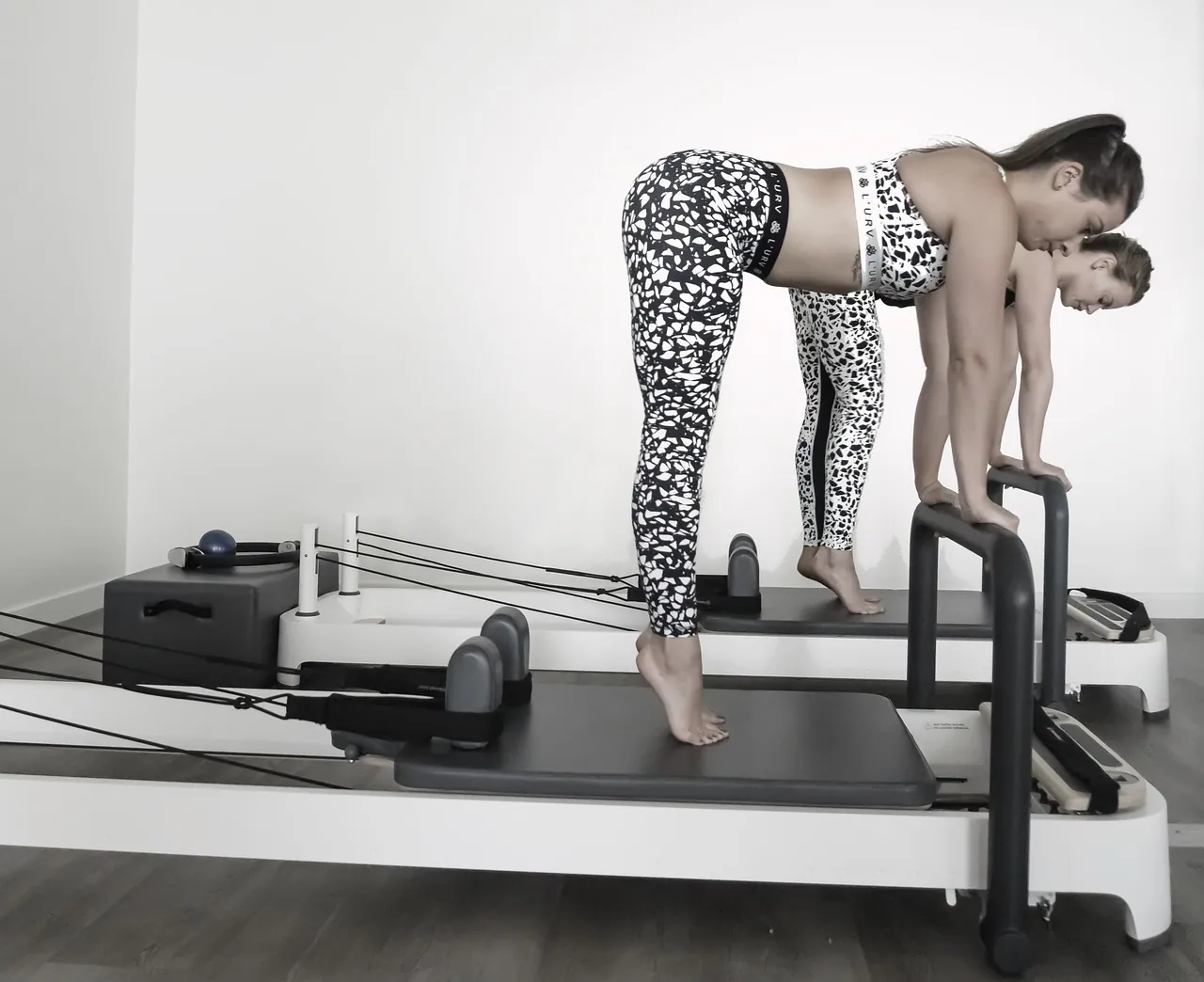
For weight loss, the better choice is the one you can do three times a week. Reformer classes are usually a little more intense (2.8 vs 1.8 METs in the Compendium) and the spring resistance builds strength faster. Mat Pilates costs almost nothing, needs no studio and works well online. For most people in India, mat work done consistently beats reformer work done once a week.
| Factor | Mat Pilates | Reformer Pilates |
|---|---|---|
| Energy cost (Compendium) | 1.8 METs (traditional mat) | ~2.8 METs (general Pilates) |
| Resistance | Body weight; add a band, ring or ball | Adjustable springs, easy to progress |
| Equipment cost | Mat roughly ₹500–1,500; band/ball a few hundred rupees each | Studio membership; reformer machines are rarely bought for home use |
| Access in India | Anywhere, including online live classes | Mostly metro studios |
| Joint load | Low; kneeling and floor work can bother sore wrists or knees | Low; the carriage supports the body, which helps heavier beginners |
| Best for | Consistency, home routines, busy schedules | Faster strength gains, rehab under supervision |
| Trial evidence for body composition | Included in the 2021 meta-analysis of 11 RCTs | Growing, e.g. the 2025 8-week RCT in overweight women |
A 25-minute mat routine you can do at home
This routine uses classic mat Pilates exercises in a circuit so your heart rate stays up. Move from one exercise to the next with no more than 15 seconds of rest. Do the circuit twice. Breathe out on the effort and keep your lower back steady. If your neck strains, keep your head down.
| # | Exercise | Reps / time | Main target | Easier version |
|---|---|---|---|---|
| 0 | Warm-up: marching, arm circles, cat–cow | 3 min | Mobility, heart rate | — |
| 1 | The Hundred | 100 arm pumps (10 breaths) | Deep abs, stamina | Feet on floor, head down |
| 2 | Roll-up | 8 reps | Abs, spinal mobility | Half roll-back holding thighs |
| 3 | Single-leg stretch | 10 per side | Abs, hip flexors | Head down, slower tempo |
| 4 | Shoulder bridge with march | 10 marches | Glutes, hamstrings | Static bridge, 20 sec hold |
| 5 | Side-lying leg series (lift + circles) | 12 lifts, 8 circles per side | Outer hips, glutes | Bottom knee bent |
| 6 | Swimming | 30 sec | Back extensors, shoulders | Alternate arm or leg only |
| 7 | Plank to leg pull-front | 6 lifts per leg | Whole core, shoulders | Plank on knees |
| 8 | Criss-cross | 10 per side | Obliques | Feet on floor |
| 9 | Cool-down: spine stretch forward, child’s pose | 2 min | Recovery | — |
Core Pilates exercises: how to make them count
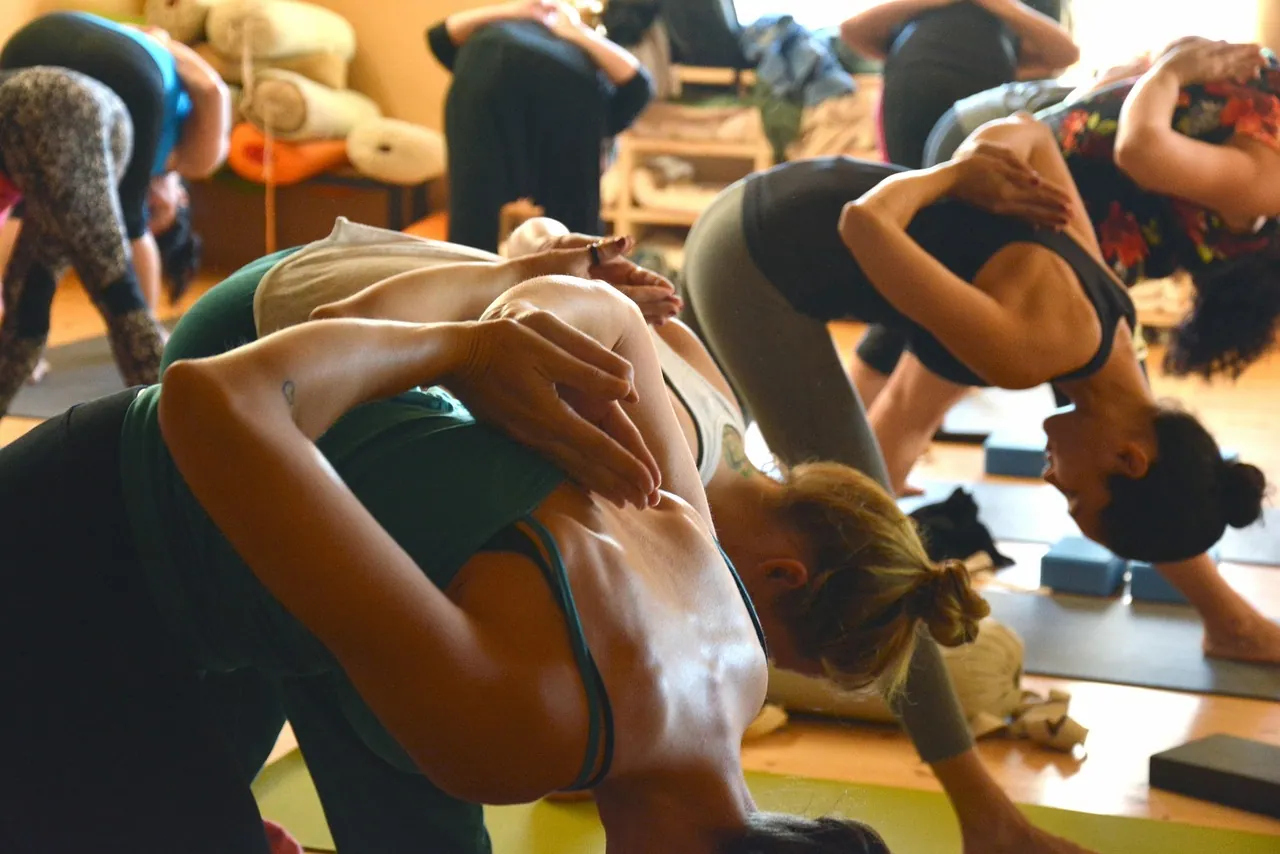
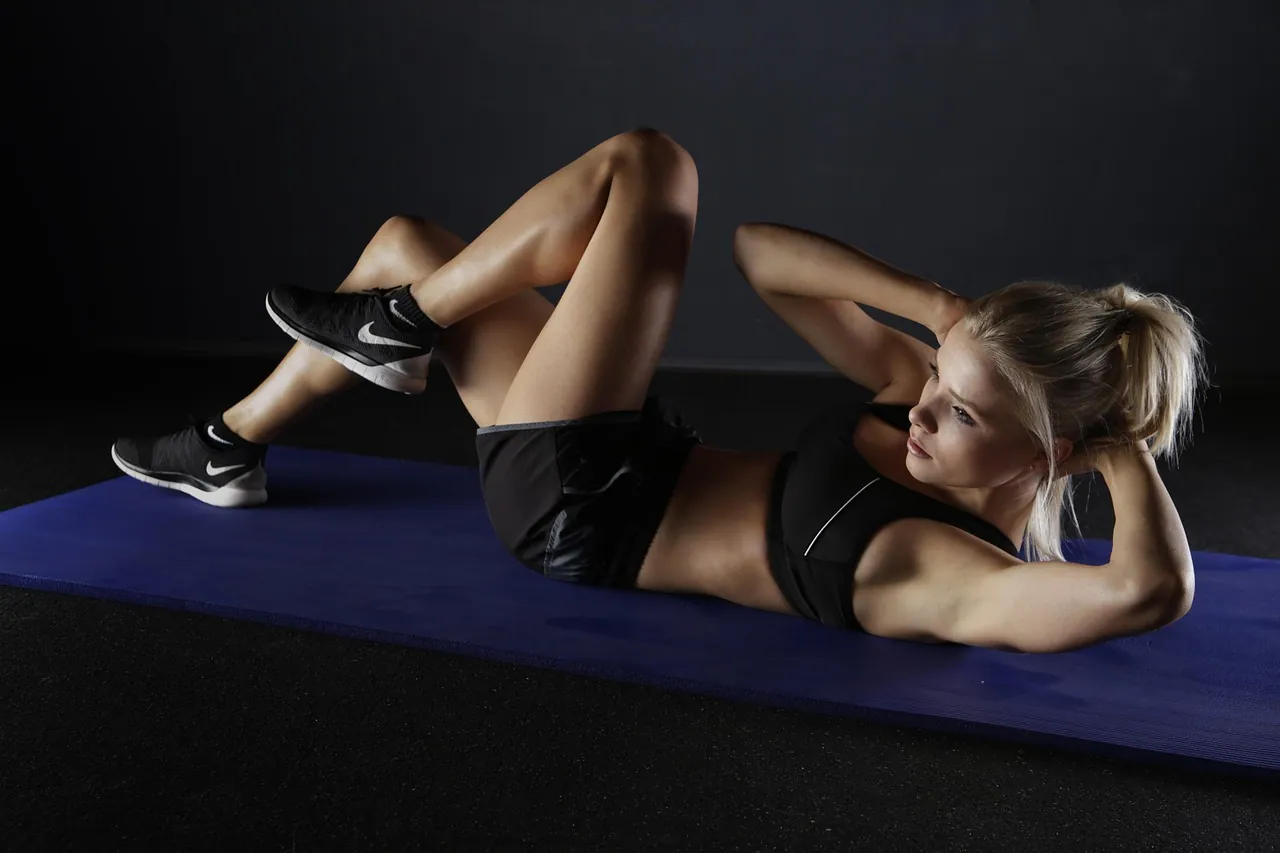
The Hundred, criss-cross and leg pull-front are the core Pilates exercises that give you the most value per minute, because they train the deep abdominal wall and the obliques together. Three cues make them work harder without adding time. Exhale fully before each rep. Keep your ribs knitted down rather than flaring. Slow the lowering phase to a count of three.
Pilates exercises: ball progressions
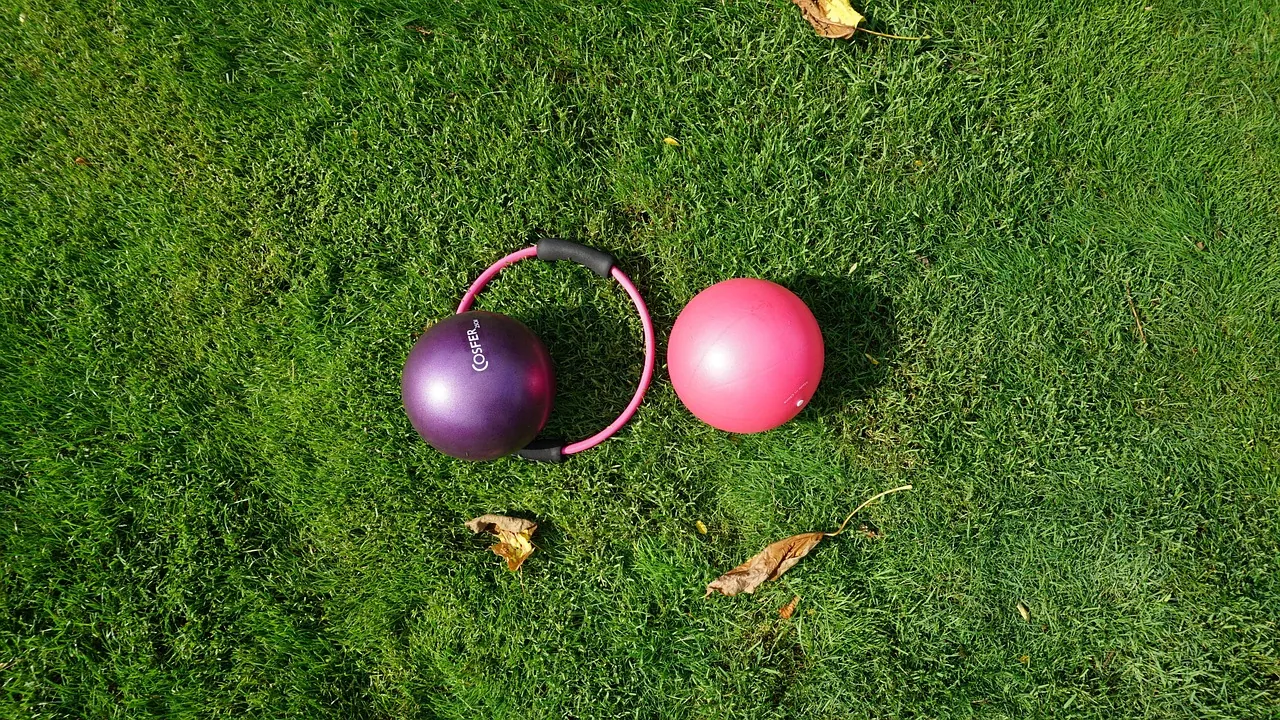
A 55–65 cm gym ball adds instability, so the same moves recruit more muscle. Three that fit this routine well are ball bridges (heels on the ball), ball roll-outs (forearms on the ball, a plank variation) and a hamstring curl on the ball. Swap them in for moves 4 and 7 once the floor versions feel easy for all reps. A small soft ball squeezed between the knees during bridges also switches on the inner thighs.
Wall Pilates for weight loss: worth the hype?
Wall Pilates, the 28-day challenge format that spread on social media, uses a wall for support and resistance. It includes wall sits, wall bridges, leg presses into the wall and supported roll-downs. It is a good entry point for beginners, heavier bodies and anyone with poor balance, because the wall takes away the fear of falling.
For weight loss, though, wall Pilates is not special. Its energy cost is in the same low range as mat Pilates, and there are no published trials of wall Pilates for fat loss. The “lose 10 kg in 28 days” claims attached to these challenges are not realistic. ICMR-NIN’s Dietary Guidelines for Indians (2024) treat about half a kilogram per week as a safe rate of loss and advise against diets below 1,000 kcal/day. At that rate, 28 days means roughly 2 kg. Use wall Pilates if you enjoy it. It is a legitimate strength workout. Just don’t expect it to rewrite the maths. For a realistic monthly target, see how much weight you can really lose in a month.
Myth: Pilates for belly fat works by “burning the stomach”
Pilates tightens and strengthens the abdominal wall, but it cannot remove fat from the belly specifically. Fat is lost across the whole body when you are in a sustained calorie deficit. Where it comes off first depends mostly on genetics, sex and hormones. Pilates can make your waist look flatter through better posture and muscle tone, even before much fat is lost.
Mayo Clinic says this plainly. Crunches and other targeted ab exercises strengthen the muscles but won’t get rid of belly fat on their own. Mayo pairs 150 minutes of moderate aerobic activity a week with strength training at least twice a week. The waist still deserves attention, though. ICMR-NIN flags a waist circumference above 90 cm for men and above 80 cm for women as a marker of higher risk of lifestyle diseases. It also reports abdominal obesity in 53% of urban Indian adults.
Many people notice their jeans fitting better after 6–8 weeks of Pilates while the scale barely moves. That is a real result: firmer abdominal muscles and a more upright posture. It is explained in more detail in our piece on inch loss vs weight loss.
Pilates exercises benefits beyond the scale
If weight were the only measure, Pilates would lose to most cardio. The case for keeping it in your week rests on things that decide whether you stick with a weight loss plan for a year:
- It counts as strength training. The NHS lists Pilates among the muscle-strengthening activities adults should do on at least 2 days a week, alongside 150 minutes of moderate aerobic activity. Two Pilates sessions cover that requirement.
- It protects muscle while dieting. The 2021 meta-analysis found no loss of lean mass. When you eat less, muscle is what you want to keep, because it supports blood sugar control and daily energy use.
- It fixes “desk posture”. Rounded shoulders and a weak back are common in people who sit 8–10 hours a day. Pilates targets exactly those muscles.
- It makes other exercise easier. A stronger core and glutes mean less knee and back discomfort on walks, runs and dance classes. Those are the activities that burn more calories.
- It helps mood and stress. The 2025 reformer trial found lower anxiety and depression scores after 8 weeks. Stress eating is a common reason diets fail.
Worldwide, the WHO reports that 31% of adults did not meet recommended physical activity levels in 2022. An exercise you actually enjoy and repeat is worth more than a “better” one you quit in week three.
Pilates for weight loss beginners: a 4-week plan
This plan pairs Pilates with the two things that drive most fat loss: daily walking and a moderate food deficit. It follows ICMR-NIN’s adult advice of 30–60 minutes of moderate activity on at least five days a week, plus muscle strengthening on at least two days. The food column is deliberately simple: small, repeatable changes to a normal Indian thali.
| Week | Pilates | Walking | Food focus | Check-in |
|---|---|---|---|---|
| 1 | 3 × 20 min, easier versions, 1 round + extra warm-up | 20–30 min/day, 5 days | Protein at every meal (dal, paneer, curd, eggs, chana) | Waist and weight, same morning time |
| 2 | 3 × 25 min, full routine, 2 rounds | 30 min/day, 5–6 days | Cut sugary chai and packaged snacks; half the plate vegetables | Can you finish the Hundred without neck strain? |
| 3 | 3 × 25–30 min; add ball or band moves | 30–40 min/day, include 2 brisk days | Reduce rice/roti portion by about a quarter at dinner | Note sleep and hunger levels |
| 4 | 3–4 × 30 min; slow the lowering phases | 35–45 min/day or 8,000+ steps | Keep what worked; don’t go below 1,000 kcal/day | Re-measure; expect ~1.5–2 kg change, not 5 |
If you prefer a flowing mind-body session on your off days, the sequence in our yoga poses for weight loss guide fits well between Pilates days.
Who should check with a doctor or physio first
Pilates is low-impact, but “low-impact” does not mean right for everyone without changes. Speak to your doctor or a physiotherapist before starting if any of these apply:
- Pregnancy or the first months after delivery: Deep flexion moves like the roll-up and criss-cross may need to wait, especially after a c-section or with abdominal separation (diastasis recti).
- Osteoporosis or low bone density: Repeated forward rounding of the spine (roll-ups, spine stretch) is usually modified or avoided.
- Disc problems or sciatica: Some flexion-based moves can aggravate symptoms. A supervised start is safer.
- Uncontrolled blood pressure or heart disease: Avoid holding your breath on effort, and get clearance before increasing intensity.
- A BMI above 35 or painful knees and wrists: Start with reformer or wall-supported work, or on a thicker mat, and build up gradually.
Doing Pilates but the scale won’t move? Troubleshooting
This is the most common complaint, and the fix is rarely “more Pilates”. Work through these in order:
- Check the deficit. The CDC notes that most weight loss comes from eating fewer calories, while physical activity is what helps you keep it off. Track food honestly for seven days, including cooking oil, sweets and weekend meals.
- Check total movement. Three 25-minute sessions add up to 75 minutes a week. If the rest of the day is spent sitting, add a daily walk before adding a fourth class.
- Measure the waist, not just weight. Gaining a little muscle and water in the first month can hide real fat loss on the scale.
- Look at the post-workout snack. A small session followed by a large “earned” snack cancels itself out.
- Fix sleep. Short sleep increases hunger and cravings. Aim for 7 or more hours before changing your training.
- Give it 10–12 weeks. Trials with more than 10 weeks of training showed larger effects. Four weeks is too short to judge.
If you have worked through all six and are still stuck, the problem is usually structure, not effort. A 1-on-1 trainer can mix Pilates-style core work with enough strength and cardio to create a deficit, and an online nutritionist can build the food side around the meals your family actually cooks.
Frequently asked questions
Is Pilates good for weight loss?
Pilates helps with weight loss modestly. A 2021 meta-analysis of 11 trials found an average loss of about 2.4 kg and roughly 4% body fat over 8–24 weeks in adults with overweight or obesity. It works best alongside a calorie deficit and daily walking.
How many calories does Pilates burn in 30 minutes?
About 54–72 kcal for traditional mat Pilates and 84–112 kcal for a more dynamic or reformer class, for people weighing 60–80 kg. These are Compendium of Physical Activities estimates. Brisk walking burns about 144–192 kcal in the same time.
Is yoga or Pilates better for weight loss?
They are close. Hatha yoga (2.3 METs) and Pilates (1.8–2.8 METs) burn similar calories. Pilates is more focused on core strength, while yoga offers more flexibility and relaxation. Choose the one you will do three times a week, and add walking for the calorie burn.
How often should I do Pilates to lose weight?
Three sessions of 25–45 minutes a week is a practical target, matching most trials. Combine them with at least 150 minutes of walking or other moderate cardio a week. Trials running longer than 10 weeks showed stronger results.
Can Pilates reduce belly fat?
Not on its own. No exercise removes fat from one area. Pilates strengthens the abdominal wall and improves posture, so the waist can look flatter. Actual belly fat loss needs an overall calorie deficit.
Is mat Pilates enough, or do I need a reformer?
Mat Pilates is enough for weight loss goals, as long as you do it consistently and pair it with a food deficit. A reformer adds spring resistance and a little more intensity, but consistency matters more than equipment.
How long does it take to see results from Pilates?
Most people notice better posture and core strength within 3–4 weeks. Visible changes in waist and body fat usually take 8–12 weeks of three sessions a week combined with a food deficit.
Want Pilates to be one part of a plan that actually adds up? Book a session with a Fitstrot personal trainer. Together you will set a realistic target and build a weekly schedule of core work, cardio and meals that fits your routine.


