
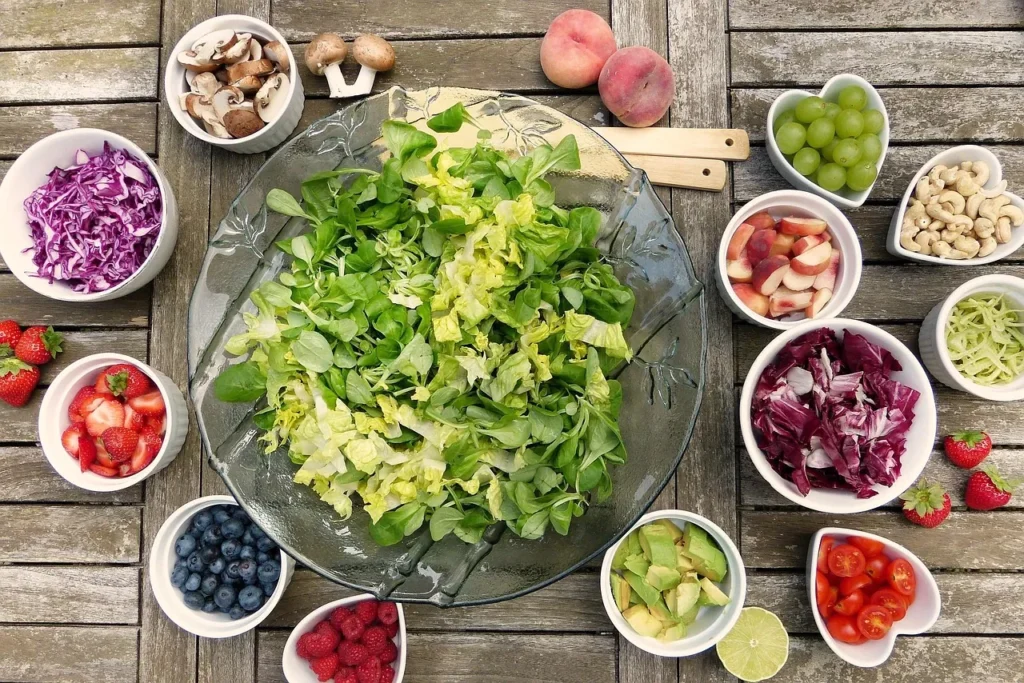
Search for how to lose 5 kg in a week and you’ll find plenty of plans that promise it. Here’s what they usually leave out. A 5 kg drop in seven days is possible for some people, but most of it is water, stored carbohydrate (glycogen) and food still in your gut. Only about 0.7–1 kg of it can realistically be body fat. This guide shows you exactly where each kilo comes from and gives you the safest aggressive 7-day Indian plan. It also covers how to keep the fat you lose when the week ends.
How to lose 5 kg in one week: is it actually possible?
Yes, the scale can drop 5 kg in one week, usually in heavier people who cut carbohydrates, salt and food volume at the same time. But only about 0.7–1 kg of it is body fat. The rest is glycogen, the water stored with it, sodium-linked water and gut contents, and most of that comes back once you eat normally again.
The reason is simple arithmetic. A kilogram of pure body fat stores about 39.5 MJ of energy, roughly 9,400 kcal (Hall et al., The Lancet, 2011). Fatty tissue also contains water, so most dietitians use a working figure of about 7,700 kcal per kg. To burn 5 kg of fat in 7 days, you’d need a deficit of around 38,500 kcal, or 5,500 kcal a day. Most Indian adults burn only 1,800–2,800 kcal a day in total. Even eating nothing at all wouldn’t get you there.
Where a 5 kg drop in 7 days actually comes from
Your body stores carbohydrate as glycogen, about 500 g in your muscles and 80 g in your liver on average. Each gram is stored with at least 3 g of water (Murray & Rosenbloom, Nutrition Reviews, 2018). An earlier study in the American Journal of Clinical Nutrition put the figure at three to four parts water to one part glycogen. It found that glycogen is used up quickly in the first days of a very-low-calorie diet and refills with its water as soon as carbohydrate comes back (Kreitzman et al., 1992).
The table below shows a typical breakdown for a 75–90 kg adult who follows a strict 1,300–1,500 kcal week with lower carbohydrates and less salt. These are estimates based on the research above, not guarantees, and your numbers may be higher or lower.
| Component | Typical amount | Why it leaves | Comes back when you eat normally? |
|---|---|---|---|
| Glycogen + bound water | 1.5–2.4 kg | Lower carbs empty muscle and liver stores. Each gram of glycogen releases 3–4 g of water | Yes, within 2–4 days of normal carbs |
| Sodium-linked body water | 0.5–1.0 kg | Less salt, pickle, papad and packaged snacks means your body holds less fluid | Largely, when salty food returns |
| Gut contents | 0.3–0.8 kg | Smaller food volume and fewer heavy, starchy meals | Yes, within 1–2 days |
| Body fat | 0.7–1.0 kg | An energy deficit of 7,000–8,000 kcal over the week | No, as long as you don’t go back into a surplus |
| Lean tissue | 0.1–0.3 kg | Some unavoidable loss in a steep deficit. Protein and strength training reduce it | Slowly, with training and protein |
| Total on the scale | 3.1–5.5 kg | Only people at the heavier end with high carb and salt intake before the week tend to reach 5 kg | |
Fat makes up just 15–30% of the drop, so this plan aims for the most fat loss, not the biggest number on the scale.
What happens if you try to lose 5 kg in 5 days?
Squeezing the goal into five days doesn’t add fat loss, only water loss, usually from drinking less, saunas, laxatives or near-starvation. Five days at a realistic deficit burns only 0.5–0.8 kg of fat. Most advice on how to lose 5 kg in 5 days is really describing dehydration.
Myth check: crash methods to lose weight in a week, compared
The fastest-looking methods usually lose the most water and muscle and the least fat. They also lead to the quickest regain. For comparison, the Indian Council of Medical Research’s National Institute of Nutrition (ICMR-NIN) advises that weight-reduction diets should not go below 1,000 kcal a day. It says losing 0.5 kg a week is safe and advises avoiding rapid weight-loss approaches (ICMR-NIN Dietary Guidelines for Indians, 2024).
| Method | Typical 7-day scale drop | Estimated fat lost | Main risks | What happens in week 2 |
|---|---|---|---|---|
| Water-only fast | 4–6 kg | ~1–1.5 kg | Dizziness, electrolyte imbalance, muscle loss, gallstone risk | 2–3 kg returns within days of eating |
| Juice or “detox” cleanse | 2–4 kg | ~0.5–1 kg | Very low protein, blood sugar swings, constant hunger | Most of it returns, and people often binge |
| Crash keto (no carbs at all) | 2.5–4.5 kg | ~0.7–1 kg | Headache and fatigue (“keto flu”), constipation | 1.5–2.5 kg returns after one rice or roti meal |
| Sauna suits, diuretics, laxatives | 1–3 kg | ~0 kg | Dehydration, cramps, heart rhythm problems | All of it returns within 24–48 hours |
| Structured deficit (the plan on this page) | 2–5 kg | ~0.7–1 kg | Mild hunger, a dip in energy on days 2–3 | 0.5–1.5 kg of water returns. The fat loss stays |
A water fast loses only a little more fat than a sensible deficit, at a far higher cost in muscle, energy and rebound. Speed brings its own risks too. An analysis of gallstone studies found the risk “dramatically” increases once weight loss goes above 1.5 kg a week, and the authors recommended not going beyond that average (Weinsier et al., American Journal of Medicine, 1995). The UK’s NHS gives a similar ceiling of 0.5–1 kg a week and advises against losing weight suddenly through diets (NHS).

How can I lose weight in a week without crashing?
Eat 1,300–1,500 kcal a day, and never less than 1,000 kcal, following ICMR-NIN’s 2024 floor. Get about 1.2–1.6 g of protein per kg of body weight, halve refined carbs and added salt, drink 2.5–3 litres of water and walk 8,000–10,000 steps. This usually drops 2–4 kg in a week, with about 1 kg of it fat.
- A deficit you can hold for seven days. ICMR-NIN also advises keeping the deficit below 40% of daily energy needs, or protein gets burned for energy instead of protecting muscle. If you burn 2,300 kcal a day, that means eating roughly 1,400 kcal.
- High protein at every meal. In a 4-week trial with a 40% energy deficit and hard training, men eating 2.4 g/kg of protein gained 1.2 kg of lean mass and lost 4.8 kg of fat. Men eating 1.2 g/kg gained 0.1 kg of lean mass and lost 3.5 kg of fat (Longland et al., AJCN, 2016).
- Cut refined carbs, not all carbs. Swap white rice, maida and sugar for one or two phulkas, millets or a small katori of brown rice. Glycogen still drops, without zero-carb headaches.
- Cut salt from packaged foods, not from dal. Drop namkeen, pickle, papad, instant noodles and restaurant gravies.
- Fill half your plate with vegetables. Cucumber, lauki, tori, cabbage, spinach and beans add volume for 25–40 kcal per katori.
- Sleep 7–8 hours. Short sleep makes the next day’s hunger worse.
Weigh-in protocol for day one
Weigh yourself on day one and day eight, first thing in the morning after using the toilet, before you eat or drink and in the same clothes. Ignore daily numbers in between, since water swings them by 0.5–1.5 kg. Measuring your waist at the navel tells you more about fat loss than the scale does.
How to lose 5 kg in a week with exercise: what training really adds
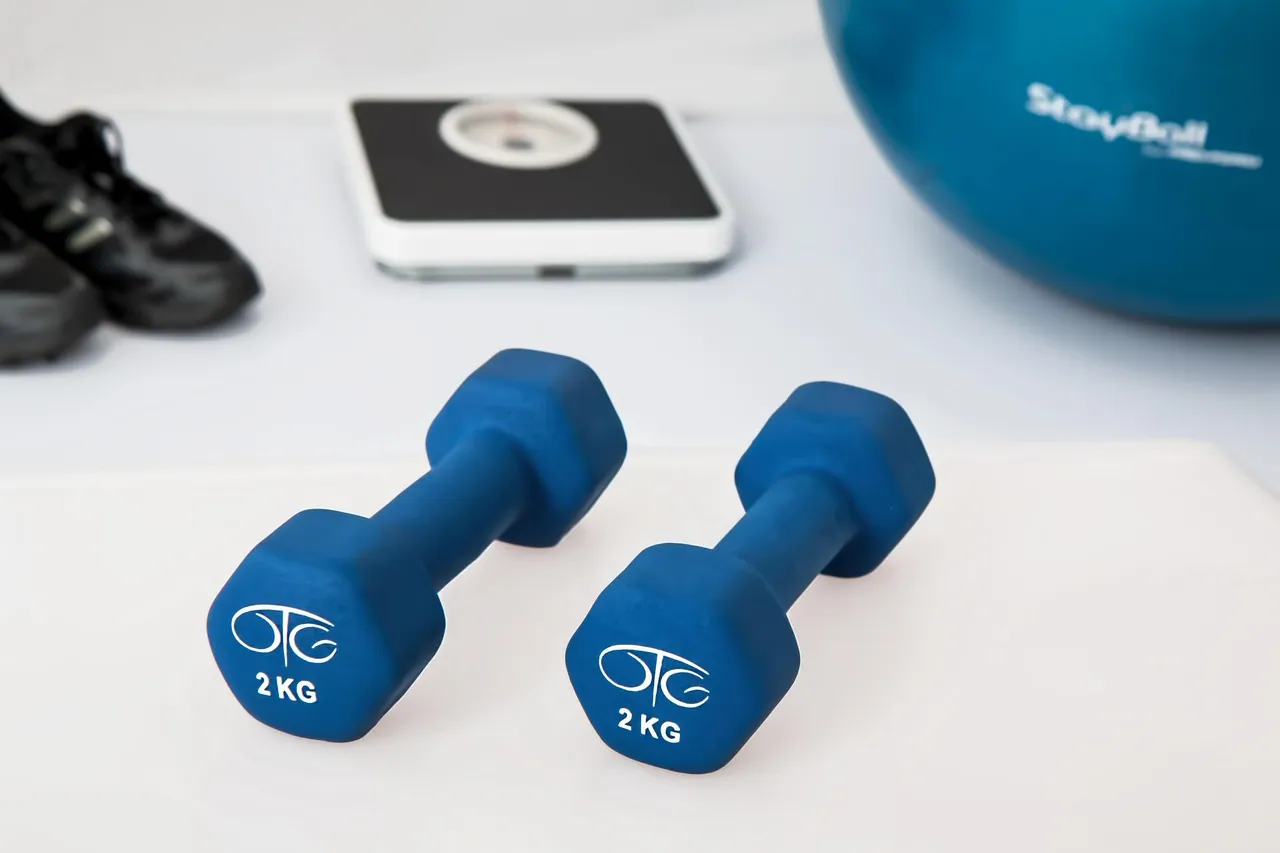
Exercise adds less than people expect. For a 75 kg adult, a 45-minute brisk walk burns about 200–300 kcal and an hour of Zumba or HIIT about 400–550. Daily sessions add 1,500–3,500 kcal a week, roughly 0.2–0.45 kg of extra fat.
Training matters more for what it protects than what it burns: strength work signals your body to keep muscle during a steep deficit, so more of the loss comes from fat. A practical week:
- 3 strength sessions (for example Monday, Wednesday and Friday): squats, push-ups, rows with a resistance band, lunges and planks. Do 3 sets of 10–15 reps, 35–45 minutes per session.
- 2 cardio sessions: one brisk 40-minute walk or cycle, and one 45-minute Zumba or dance class.
- Daily steps: 8,000–10,000, split into three or four 10-minute walks after meals.
- 1 rest day with gentle yoga. Training hard daily on 1,400 kcal invites dizziness and injury.
New to training? Fitstrot’s online weight loss trainer sessions check your form over video from day one.

The 7-day Indian menu: a safe but aggressive plan
This menu gives a 75–85 kg adult roughly 1,300–1,500 kcal and 85–110 g of protein a day from normal Indian meals: three meals and a snack, no juices or skipped dinners. Portion sizes use a standard 150 ml katori and a 25 g-atta phulka. Calorie and protein figures are rounded estimates. If you’re under 60 kg, remove one phulka or rice portion a day. Don’t go below 1,000 kcal.
| Day | Breakfast | Lunch | Evening | Dinner | Approx. kcal / protein |
|---|---|---|---|---|---|
| 1 | 2 moong dal chillas + 100 g hung curd | 1 katori dal, 1 katori lauki sabzi, 2 phulkas, salad | 1 cup sprouts chaat | 120 g grilled chicken or 100 g paneer tikka + sautéed vegetables | ~1,400 kcal / ~100 g |
| 2 | 1 whole egg + 3 egg whites bhurji, 1 phulka | 1 katori rajma, ½ katori brown rice, cucumber raita | Buttermilk + 20 g roasted chana | Palak paneer (80 g paneer) + 1 phulka | ~1,350 kcal / ~90 g |
| 3 | 2 idlis + 1 katori sambar + 1 boiled egg | 120 g fish curry (rohu or surmai), 1 katori cabbage poriyal, ½ katori rice | 100 g hung curd with cinnamon | Moong dal soup + 100 g tofu stir-fry with capsicum | ~1,350 kcal / ~95 g |
| 4 | Vegetable oats upma (40 g oats) + 1 glass toned milk | 1 katori chole, 2 phulkas, onion-tomato salad | 1 fruit (apple or guava) + 10 almonds | 120 g tandoori chicken or soya chunk curry (40 g dry) + salad | ~1,450 kcal / ~95 g |
| 5 | 2 besan chillas with spinach + mint chutney | 1 katori mixed dal, 1 katori bhindi, 1 jowar roti | Buttermilk + 1 cup sprouts | Egg curry (2 eggs) or paneer bhurji (80 g) + 1 katori tori sabzi | ~1,350 kcal / ~90 g |
| 6 | Paneer paratha made with 1 roti, 50 g paneer, dry-roasted + curd | Chicken or chana pulao (small plate, ½ katori rice) + raita | 1 scoop whey or 150 g Greek yogurt | Clear vegetable soup + 100 g grilled fish or tofu | ~1,450 kcal / ~105 g |
| 7 | Poha with peas + 2 boiled egg whites | 1 katori dal, 1 katori methi sabzi, 2 phulkas, salad | Roasted makhana (20 g) + green tea | Grilled chicken salad or paneer-vegetable skewers + 1 katori dal soup | ~1,350 kcal / ~95 g |
Use about 3 teaspoons (15 ml) of oil a day in total, no sugar in tea or coffee, and 2.5–3 litres of water.
Fast weight loss diet plan: vegetarian swaps
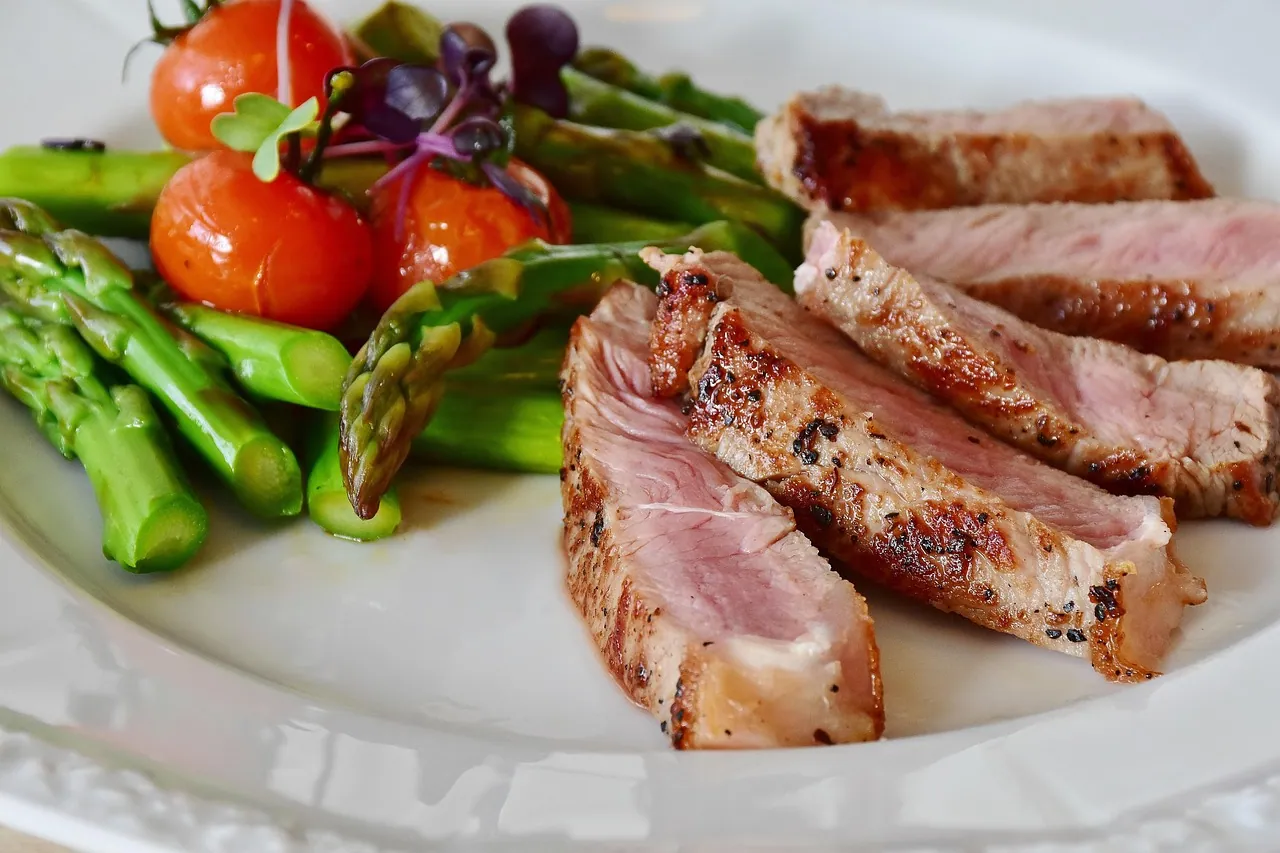
The plan works fully vegetarian. Replace each non-veg portion with one of these (about 18–22 g of protein each): 100 g low-fat paneer, 120 g firm tofu, 40 g dry soya chunks, 2 katoris of thick dal or 200 g hung curd. For a more realistic target with its own day-by-day numbers, see our 2 kg-in-a-week guide.
Troubleshooting: “I followed the plan and lost only 1.5 kg”
This is the most common result, and it isn’t failure. Check these:
- You started light or already ate clean. At 60 kg with little salt and few refined carbs, there was less water to lose. 1.5–2.5 kg is a good week.
- Hidden calories. 2 extra teaspoons of oil, a sweet chai and some namkeen add 300+ kcal a day, cutting fat loss by about a third.
- Your period. Many women hold 0.5–2 kg of water before their period. Compare with the same point last cycle.
- A hard workout the day before your weigh-in. Sore muscles hold water for 24–72 hours while they repair.
- Constipation. Add a katori of cooked vegetables, 1 tablespoon of soaked isabgol and more water.
A 1–2 kg rise in the three days after the week ends is glycogen and water refilling, not fat.
Who should not attempt an aggressive week
Talk to your doctor before cutting calories this hard if any of these apply:
- You’re pregnant or breastfeeding, or you’re under 18.
- You have diabetes and take insulin or sulfonylureas (risk of low blood sugar).
- You take blood-pressure medicine or diuretics (risk of dizziness).
- You have kidney disease, gout or a history of gallstones.
- You’ve had an eating disorder, or you often find yourself “compensating” for meals.
- You have a thyroid condition or PCOS; set calories with your doctor or dietitian.
A realistic timeline: how to lose 5 kg in 10 days vs 5 weeks
The one-week drop is mostly water. How long it takes to lose 5 kg of mostly fat depends on how big a deficit you can keep up. The CDC notes that people who lose about 0.5–1 kg (1–2 lb) a week are more likely to keep it off than people who lose weight faster (CDC).
| Timeframe | Daily deficit needed if all 5 kg were fat | Realistic scale change | Of which fat (approx.) | Verdict |
|---|---|---|---|---|
| 5 days | 7,700 kcal | 2–4 kg | 0.5–0.8 kg | Not possible as fat. Chasing 5 kg means dehydration |
| 7 days | 5,500 kcal | 2.5–5 kg | 0.7–1 kg | Possible on the scale for heavier people. Mostly water |
| 10 days | 3,850 kcal | 3–4.5 kg | 1–1.4 kg | A good pre-event push. Still about two-thirds water |
| 5 weeks | 1,100 kcal | 4–5.5 kg | 3.5–4.5 kg | Aggressive but workable if you weigh 75 kg or more |
| 10 weeks | 550 kcal | ~5 kg | ~4.5–5 kg | ICMR-NIN’s 0.5 kg/week pace. Easiest to keep off |
How to lose 5 kg in 10 days
Follow the 7-day menu above, then repeat days 1–3. Afterwards, add back one phulka or half a katori of rice a day. Expect 3–4.5 kg on the scale. Plan for about 1.5–2 kg of it to return within a week of eating normally.
How to lose 5 kg in 5 weeks
This is the version where most of the 5 kg is actual fat. Aim for a daily deficit of 750–1,000 kcal (about 1,500–1,700 kcal a day for most men and 1,300–1,500 for most women), 3 strength sessions a week and 8,000+ steps a day. Expect 1.5–2.5 kg in week one, then about 0.7–0.9 kg a week after that. Our guide to how much weight you can lose in a month breaks this down by starting weight.
Six years after “The Biggest Loser” TV competition, contestants’ resting metabolic rate was still 704 kcal/day below where it started, and they had regained 41 of the 58 kg they lost on average (Fothergill et al., Obesity, 2016). One week won’t do that, but repeated crash-and-regain cycles are the pattern to avoid.
Frequently asked questions
Is it safe to lose 5 kg in a week?
Chasing 5 kg of real loss in a week isn’t safe. ICMR-NIN (2024) advises at least 1,000 kcal a day and about 0.5 kg of loss a week, and gallstone risk rises sharply above 1.5 kg a week. A structured 1,300–1,500 kcal week is safe for most healthy adults, but the drop is mostly water.
How much of a 5 kg weight loss in a week is fat?
Usually only 0.7–1 kg. The rest is glycogen and the 3–4 g of water stored with each gram of it, sodium-linked water and gut contents. Burning 5 kg of fat would need a deficit of about 38,500 kcal in seven days, which is more than most people burn in total.
Will I regain the weight after the week ends?
You’ll usually regain 0.5–2 kg within a few days of eating normally, as glycogen and water refill. That’s expected and isn’t fat. The fat you lost stays off as long as you don’t go back into a calorie surplus, so bring carbs back in gradually and keep your protein high.
How many calories should I eat to lose weight fast safely?
Most adults do well on 1,300–1,500 kcal a day for a short aggressive phase. ICMR-NIN’s 2024 guidelines set the floor at 1,000 kcal and advise keeping your deficit below 40% of your daily needs, so that protein protects your muscle instead of being burned for energy.
Is it possible to lose weight in a week without exercise?
Yes. Diet alone can drop 2–3 kg on the scale in a week, mostly water and glycogen plus about 0.5–0.8 kg of fat. Adding 3 strength sessions and 8,000–10,000 daily steps adds only about 0.2–0.45 kg of fat loss, but it helps protect muscle while you’re eating less.
Can I lose 5 kg before a wedding in one week?
You can look noticeably leaner in a week, because less bloating and lower salt change your face and waist quickly. Aim for 2–4 kg on the scale, not 5 kg, and avoid laxatives, diuretics or fasting, which can leave you dizzy on the day.
What is a realistic way to lose 5 kg weight?
Plan for 5–10 weeks. A daily deficit of 550–1,000 kcal, protein at about 1.2–1.6 g per kg of body weight, 3 strength sessions a week and 8,000+ daily steps will take off about 5 kg, mostly fat, at the 0.5–1 kg a week pace recommended by the NHS and CDC.
Plan your next five weeks, not just this one
Want the 5 kg to stay off after your event? Book a Fitstrot online nutritionist consultation. You’ll get a dietitian-set calorie and protein target and an Indian meal plan built around your routine and medical reports, plus weekly check-ins to keep you on track.


