

A good pre workout meal is built around easily digested carbohydrates, a modest serving of protein, and very little fat or fibre, eaten roughly one to three hours before you train. The carbs top up the glycogen your muscles burn through, the protein keeps amino acids available, and the low fat and fibre stop the heavy, bloated feeling that ruins a session. Most Indian kitchens already hold everything required.
What is the best pre workout meal for most people?
The best pre workout meal for most people is about 40 to 60 g of carbohydrate with 15 to 20 g of protein and under 10 g of fat, eaten two to three hours before training. Think two rotis with dal and curd, or poha with peanuts. It fuels a 45 to 60 minute session without sitting heavy.
Why does this combination work? During lifting, Zumba, HIIT or a long run, your body leans heavily on stored glycogen. When that store is low, you tire sooner, lift lighter and let your form slip. Training on an empty stomach is not dangerous for most healthy adults, but it usually caps how hard you can push once a session passes 30 to 40 minutes.
Protein plays a supporting role here. A small serving keeps amino acids circulating while you train, but the bigger protein serving belongs after the session, which we cover in our guide to what to eat after a workout. Fat and fibre are the two things to keep low, because both slow stomach emptying.
How long before a workout should you eat?
Eat a full meal two to three hours before training, a light snack 45 to 60 minutes before, and only a few bites of fast carbs in the last 30 minutes. A rough rule is 1 to 2 g of carbohydrate per kg of body weight, with the larger amount for the longer gap.
Timing depends on meal size, not on the clock. The table below is a starting point. Adjust it by trial, because digestion varies a lot from person to person. If you want a deeper look at timing for stimulant products, see our note on the best time to take pre workout.
| Time before training | What size of meal | Carbs (about) | Protein (about) | Example |
|---|---|---|---|---|
| 3 hours | Full plate | 60 to 80 g | 20 to 25 g | 150 g cooked rice, 1 katori dal, 100 g curd, light sabzi |
| 2 hours | Medium meal | 40 to 60 g | 15 to 20 g | 2 rotis, 1 egg bhurji or 50 g paneer |
| 1 hour | Light snack | 25 to 35 g | 5 to 10 g | Oats made with 200 ml milk, half a banana |
| 30 to 45 minutes | Small snack | 20 to 30 g | 2 to 4 g | 1 banana, or 3 dates |
| Under 15 minutes | Sips or a bite | 10 to 15 g | 0 g | Dilute nimbu pani with a pinch of salt and sugar, 1 date |
The figures are rounded estimates. A 90 kg lifter sits at the higher end, while a 50 kg beginner doing a 30 minute session needs far less.
Indian pre workout meal ideas with portions in grams
Here are practical pre workout meal ideas built from ordinary Indian foods. The numbers are approximate and depend on cooking.
| Meal | Portion | Carbs / protein / kcal (about) | Best timing |
|---|---|---|---|
| Idli with light sambar | 3 idlis (about 120 g), 1 katori sambar | 40 g / 10 g / 250 kcal | 2 to 3 hours |
| Poha with peanuts | 60 g dry poha, 15 g peanuts, lemon | 45 g / 9 g / 330 kcal | 2 to 3 hours |
| Roti, dal and curd | 2 rotis, 1 katori dal, 100 g curd | 50 g / 18 g / 400 kcal | 2 to 3 hours |
| Egg and roti | 2 eggs as bhurji with little oil, 2 rotis | 36 g / 20 g / 400 kcal | 2 hours |
| Oats with milk and banana | 40 g oats, 200 ml milk, half banana | 45 g / 13 g / 300 kcal | 1.5 to 2 hours |
| Curd rice with a boiled egg | 150 g cooked rice, 100 g curd, 1 egg | 45 g / 15 g / 350 kcal | 2 hours |
| Banana with peanut butter | 1 medium banana, 1 tsp peanut butter | 25 g / 2 g / 130 kcal | 30 to 45 minutes |
| Sattu drink | 30 g sattu in 250 ml water, pinch of salt | 18 g / 6 g / 110 kcal | 30 to 60 minutes |
| Dates and a glass of milk | 3 dates, 150 ml milk | 25 g / 5 g / 160 kcal | 30 to 45 minutes |
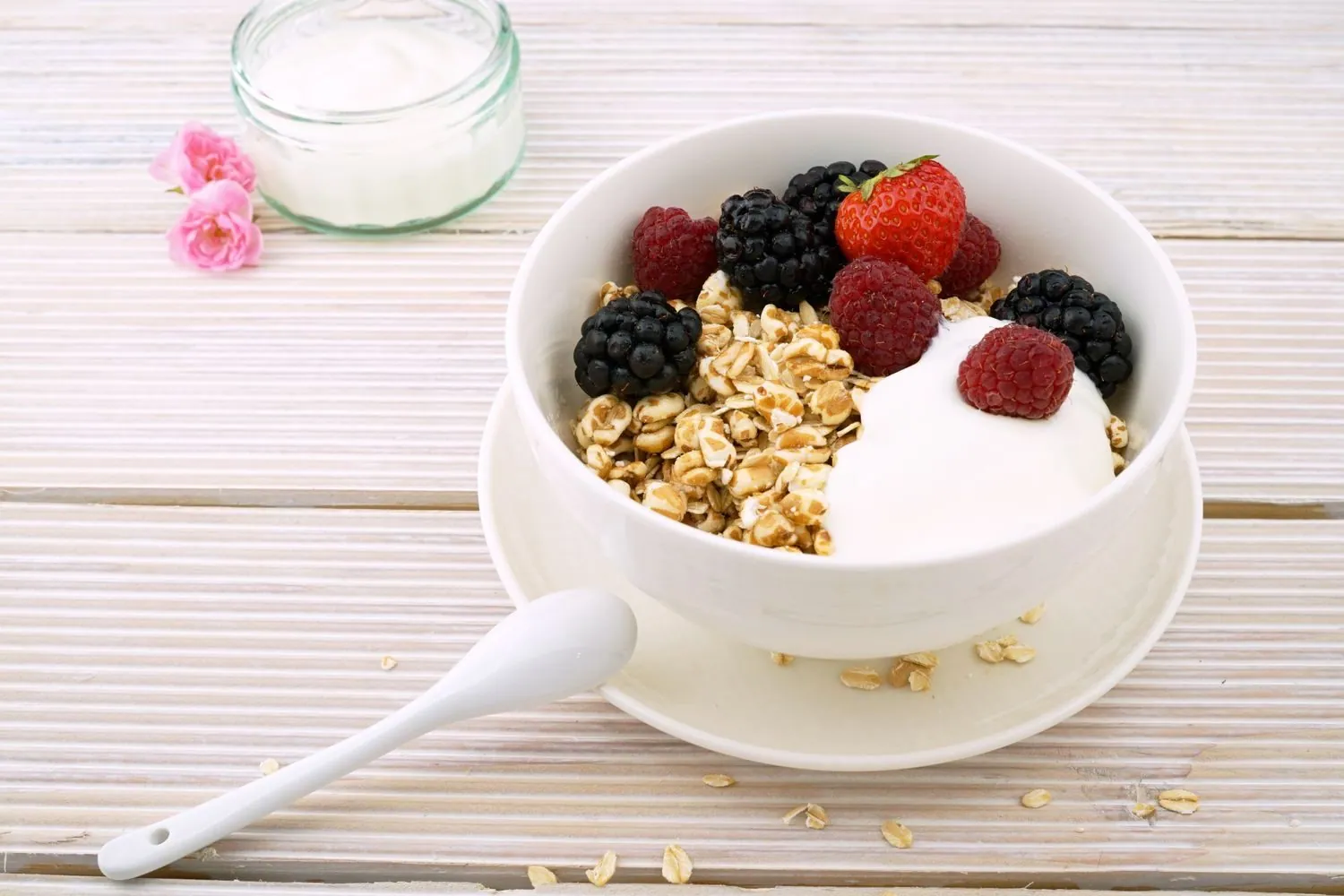
None of these meals is complicated, and that is the point. Your pre workout meal at home does not need engineering. It needs to be consistent and easy on your gut. If you prefer a liquid option, see our homemade pre workout drink ideas.
Pre workout meal myths worth dropping
Myth 1: Fasted training burns far more fat, so food beforehand wastes your session. Over a day, fat loss comes mostly from your overall calorie balance. Fasted training is fine for a light walk, but harder sessions often suffer, meaning fewer reps and less work done.
Myth 2: A heavy meal right before the gym gives more energy. Food needs time to leave the stomach. A big plate 20 minutes before squats leaves you nauseous. Bigger meals need a longer gap.
Myth 3: You need a protein shake before every workout. You need enough protein across the whole day, roughly 1.2 to 2 g per kg for people who train regularly. A shake is not mandatory if your meal already has eggs, dal, curd or paneer.
How to build your own pre workout meal in four steps
Once you understand the pattern, you can stop copying menus and assemble a meal from whatever is in your kitchen.
- Pick your timing first. Decide how many hours you have. Two hours or more allows a proper meal, and under an hour means a snack. Everything else follows from this.
- Choose one carbohydrate base. Rice, roti, poha, idli, oats, bread or a banana. Aim for roughly 1 g per kg of body weight for a one to two hour gap, and up to 2 g per kg for a three hour gap. A 60 kg person might eat about 60 to 90 g of carbs.
- Add a small protein. Pick one of an egg (about 6 g protein), 50 g paneer (about 9 g), a katori of dal (about 7 to 9 g), 100 g curd (about 4 g) or 200 ml milk (about 7 g). Around 15 to 20 g in total is plenty.
- Cut fat and fibre. Go easy on ghee, fried sides, raw salad and cabbage-family vegetables. Keep fat under about 10 g in the meal. Keep the heavy fibre for dinner.
Test it over three or four sessions. If you feel light by the second set, it works. If you feel sluggish, eat earlier or eat less.
Troubleshooting: when your pre workout meal goes wrong
Most pre-training problems trace back to timing, size or fat content. Use this table to find your likely cause before changing everything.
| What you feel | Likely cause | What to change |
|---|---|---|
| Side stitch or cramps | Meal too large or too close to the session | Move the meal 30 to 60 minutes earlier, or cut the portion by a third |
| Bloating and gas | Too much fibre, raw salad, rajma, chana or cabbage | Swap to white rice, roti, idli or poha before training |
| Acid reflux or burping | Fried, oily or very spicy food, lying down or bending soon after eating | Choose a drier meal such as poha or oats, and leave at least 90 minutes |
| Dizzy or shaky mid-session | Too little food or too long a gap since your last meal | Add a banana or 2 to 3 dates 30 to 45 minutes before |
| Heavy legs, sluggish start | Fat-heavy meal slowing digestion | Cut ghee, butter and fried items, and keep fat under about 10 g |
| Nausea during intervals | Eating too close to high-intensity work | Use only liquids or a small fruit in the last hour |
If symptoms continue after you have fixed timing and size, or if you feel faint, have chest discomfort or have a medical condition such as diabetes, stop and speak to your doctor or a registered dietitian before adjusting your food around exercise.
Pre workout meal for morning, evening, Zumba and muscle gain
Early morning sessions. If you train at 6 AM, you probably cannot eat a full meal two hours earlier. Eat something small and quick, such as a banana, 2 to 3 dates, or 150 ml milk with a few almonds, about 30 to 45 minutes before. Keep the session moderate at first, and eat a proper breakfast afterwards.
Evening sessions after office. The usual mistake is a long gap from lunch to a 7 PM workout. Plan a snack at around 4 to 5 PM, such as roasted chana with a fruit, or a small bowl of poha.
Zumba and dance cardio. Zumba is high movement and gets sweaty fast, so keep it lighter than a lifting meal. A banana or a small bowl of oats one hour before usually works. We cover this in more detail in our guide to pre and post workout nutrition for Zumba.
Pre workout meal for muscle gain. When bulking, total daily calories matter most, but a well-timed meal helps you complete more productive reps. Push the carb portion towards the top of your range, and add a little more protein. A structured bulking workout plan works best when your food timing supports the volume it asks for.
Pre workout meal for weight loss. You do not need to skip the meal to lose fat. Keep it small, around 150 to 250 kcal, and based on carbs plus a little protein, for example a banana with 100 g curd. Eating a little beforehand often lets you train harder. Be realistic: no meal timing trick melts fat, and safe loss is slow and steady.
Vegetarian and Jain days. Dal, curd, paneer, milk and sattu cover protein without eggs. Jain eaters can use moong dal chilla (no onion or garlic), poha and fruit with curd.
Do pre workout supplements replace a pre workout meal?
No. Pre workout supplements usually contain caffeine and a few extras, which can raise alertness for a session. They do not replace the carbohydrate your muscles use as fuel. Food comes first, and a supplement can only fill small gaps, never the main job a meal does.
If you are curious which ingredients are worth paying for and which are marketing, read our breakdown of pre workout supplements.
Frequently asked questions
Can I work out on an empty stomach?
Yes, most healthy adults can do a light to moderate session of 30 minutes or less fasted, such as a brisk walk or easy yoga. For longer or heavier training, a small banana or a few dates beforehand usually improves how strong you feel. Stop if you feel dizzy.
Is a banana a good pre workout meal?
A medium banana gives about 25 g of carbohydrate and around 100 kcal, and most people digest it easily, which makes it a good last-minute snack 30 to 45 minutes before training. On its own it is a snack, not a full meal, so pair it with curd or milk for a longer session.
What should I eat before a workout if I train at the gym in the evening?
Have a proper lunch, then a snack of about 30 to 40 g carbs and 10 g protein around two hours before the gym, such as poha with peanuts or two rotis with dal. Keep fat low and avoid fried snacks, so your stomach is comfortable by the first set.
Can I eat the same pre workout meal every day?
Yes, a repeatable meal is useful because you learn exactly how your body responds. Rotate the carb source, such as idli, poha, oats and roti, across the week. If your food choices feel limited, an online nutritionist consultation can map out a rotation for you.
How much water should I drink before training?
Aim for about 300 to 500 ml of water in the two hours before training, and a few sips at a time after that. Drinking a full litre just before a session leaves you sloshing and uncomfortable. In very hot or humid weather, add a pinch of salt or some coconut water.
Not sure what to eat for your own body and schedule? A 1-on-1 personal training session at Fitstrot lets a coach set your food timing around your workout.


