
The best high protein breakfast ideas for an Indian kitchen are built around eggs, paneer, curd, dals and besan, and they land between 20 and 30 grams of protein in a single plate. That is roughly three to four times what a typical plate of poha, upma or two plain parathas delivers. Below you will find dishes with grams and rough calories, a seven-day plan, swaps for the breakfast you already eat, and fixes for when it does not seem to work.
How much protein should a breakfast have?
Aim for roughly 20-30 grams of protein at breakfast. That is about two eggs plus a bowl of curd, or two moong dal chillas with 50 g of paneer. Below 15 grams, most people feel hungry again within two to three hours. Above 35 grams, extra protein at one meal adds little for most adults.
Your daily target decides the rest. The usual minimum is about 0.8 g of protein per kg of body weight, and people who train regularly often aim for roughly 1.2-1.6 g per kg. For a 65 kg person that is about 52 g at the minimum and 78-104 g if active. Splitting that across three meals makes breakfast a natural 20-25 g slot. If you are weighing a bigger goal such as fat loss, our guide on a high protein Indian diet plan shows how to spread the full day.
High protein breakfast ideas at a glance: grams, calories and prep time
Every figure below is approximate and depends on brand, size and how much oil you use. Treat the numbers as a planning guide, not a lab reading.
| Breakfast | Serving | Protein (about) | Calories (about) | Prep time |
|---|---|---|---|---|
| Egg bhurji with toast | 2 eggs, 1 slice whole wheat bread | 16-18 g | 250-300 kcal | 8 min |
| Besan chilla with curd | 2 medium chillas, 100 g curd | 13-16 g | 250-300 kcal | 15 min |
| Moong dal chilla with paneer | 2 chillas, 50 g paneer filling | 20-24 g | 300-350 kcal | 15 min |
| Paneer bhurji with roti | 100 g paneer, 1 roti | 22-25 g | 380-430 kcal | 10 min |
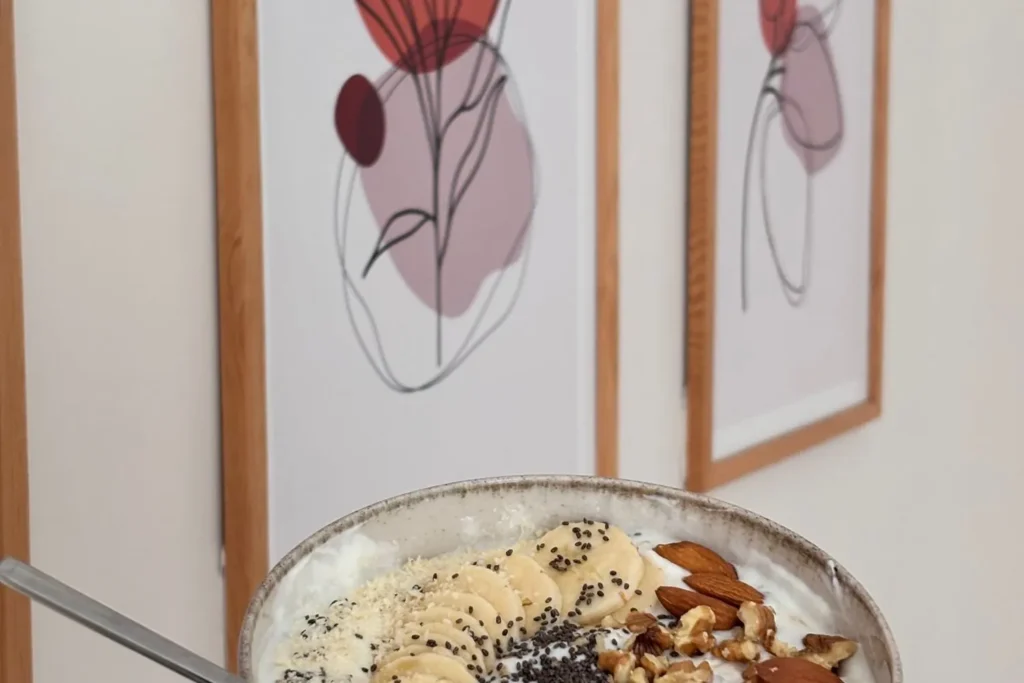
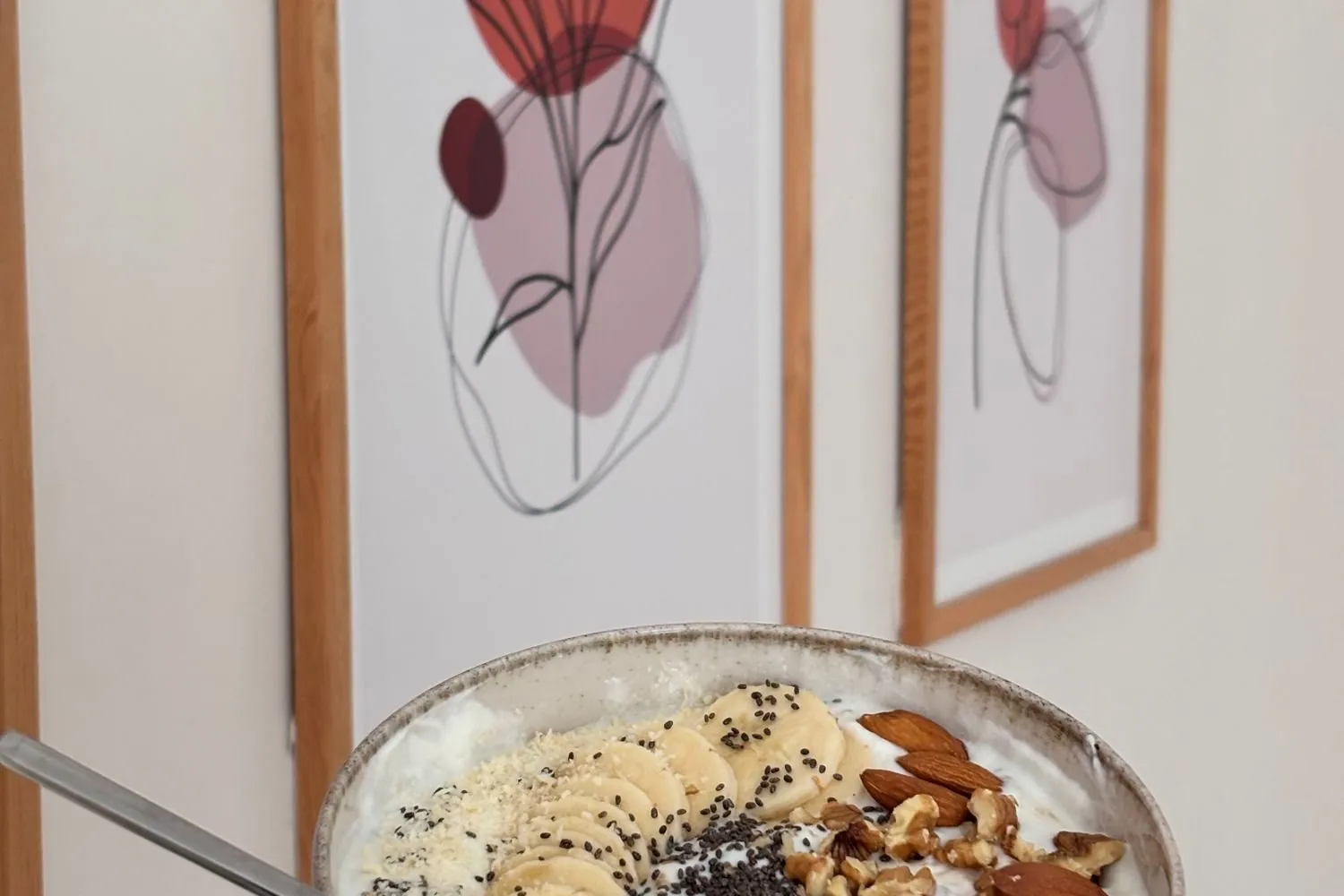
| Greek yogurt bowl | 200 g plain, 10 almonds, 1 tbsp seeds | 20-24 g | 250-300 kcal | 3 min |
| Masala oats with milk and egg | 40 g oats, 1 egg, 200 ml milk on the side | 20-22 g | 350-400 kcal | 10 min |
| Sprouts chaat with roasted chana | 1 large bowl sprouts, 30 g chana | 14-18 g | 200-250 kcal | 10 min |
| Soya chunk keema toast | 30 g dry soya chunks, 2 slices bread | 20-24 g | 300-350 kcal | 15 min |
| Sattu drink plus peanuts | 3 tbsp sattu, 30 g roasted peanuts | 14-16 g | 300-350 kcal | 5 min |
Notice the pattern. Each plate pairs one concentrated protein (egg, paneer, soya, yogurt) with a small carbohydrate and some fibre. You rarely need to give up roti or toast. You just need to stop letting them be the whole meal.
High protein vegetarian breakfast ideas that actually fill you up
A vegetarian can reach 20-25 g of protein at breakfast by combining dairy or soya with a dal-based dish. Paneer bhurji with one roti gives about 22-25 g. Two moong dal chillas stuffed with 50 g paneer give about 20-24 g. Plain Greek yogurt with nuts gives about 20 g without cooking.
Chillas, the most flexible option
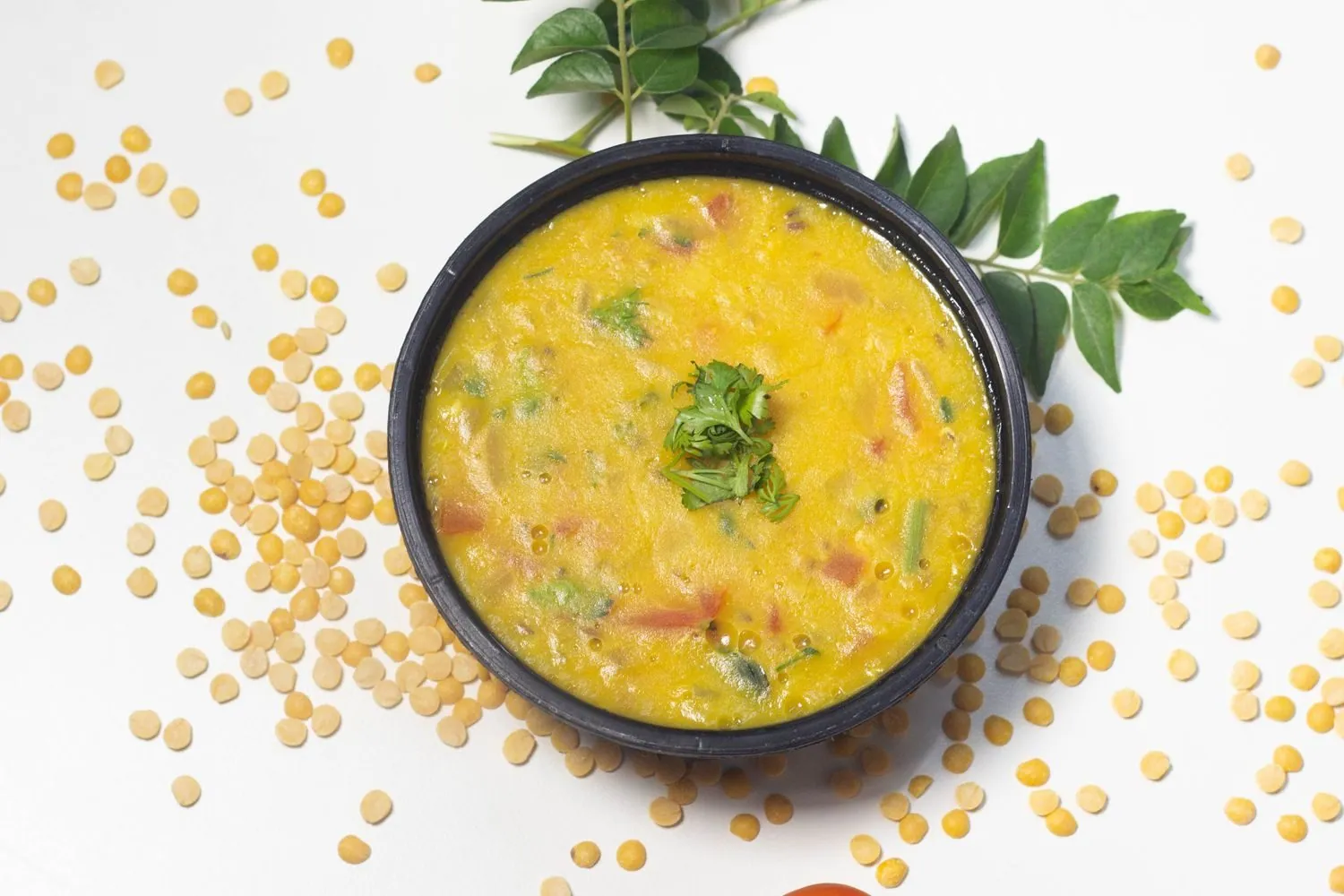
Besan is dense in protein, at roughly 20-22 g per 100 g of flour, but a thin chilla uses only about 40-50 g of it. Moong dal chilla, made from soaked and ground dal, is a little higher in protein and lighter on the stomach. To push either one higher, add grated paneer, crumbled tofu or a spoon of hung curd in the batter, and serve with a bowl of dahi.
Paneer, curd and Greek yogurt
Paneer provides about 18 g of protein per 100 g, and plain Greek-style yogurt about 8-10 g per 100 g. Regular dahi is much lighter at about 3-4 g per 100 g, so it works as a side, not the main protein. If you are stocking the kitchen, our high protein vegetarian foods list ranks dals, soya and dairy by protein per serving.
High protein breakfast without eggs, in a hurry
Soya chunks soaked for 10 minutes and sauteed with onion and masala make a quick keema that fits inside bread or a roti. About 30 g of dry soya chunks carries roughly 15 g of protein. Add 200 ml of milk or a bowl of curd and you are near 22-25 g. Roasted chana, peanuts and sattu are cheap, dry-pantry backups for days when nothing is cooked.
Egg breakfasts for non-vegetarians and eggetarians
One large egg has about 6 g of protein and roughly 70-75 kcal, so three eggs reach about 18 g. Whole eggs keep the yolk’s fat and nutrients, which help you stay full longer. Egg whites alone give about 3.5 g each with almost no fat, but most people find whole-egg plates more satisfying.
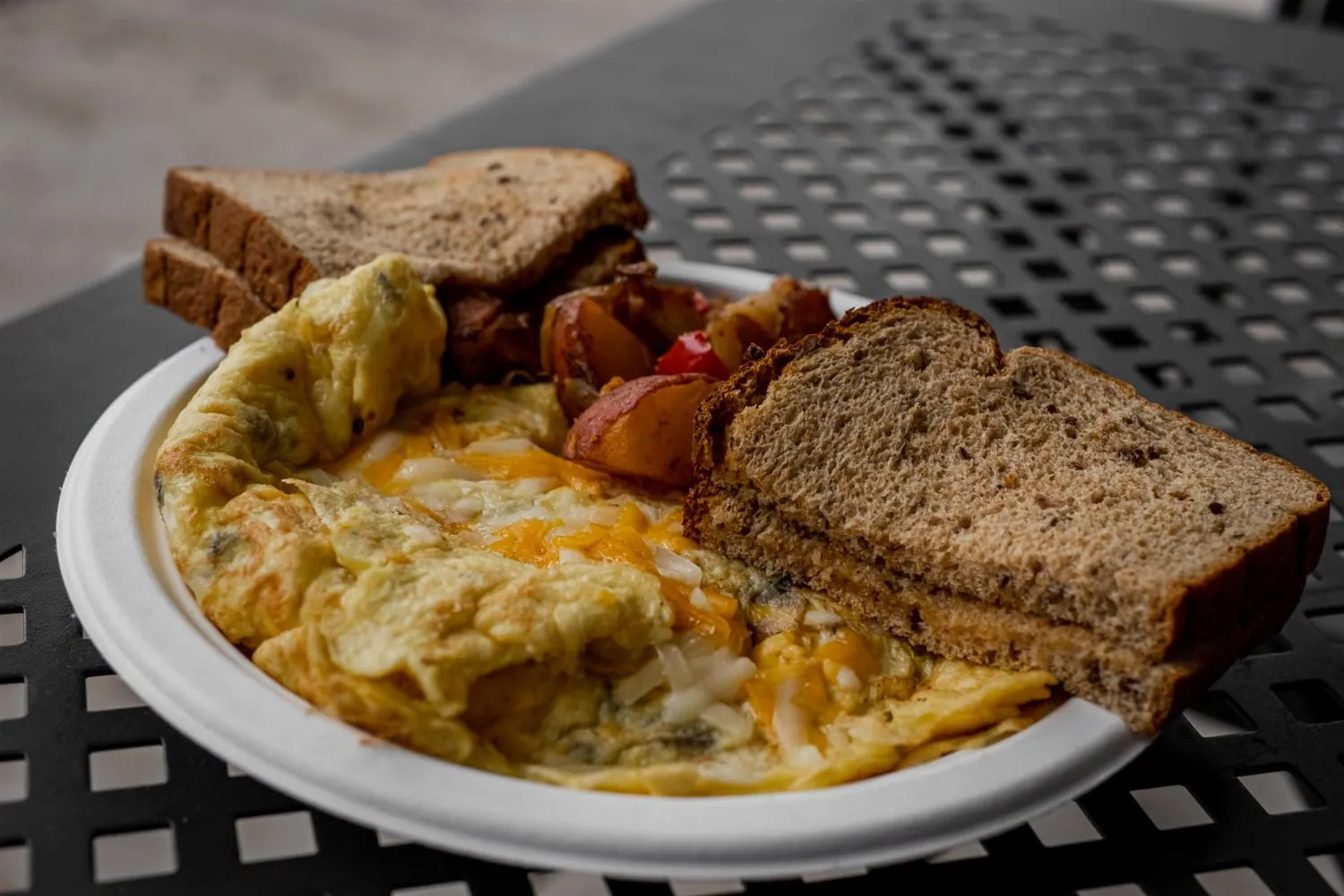
Quick ways to cook them without much oil:
- Egg bhurji: two eggs, onion, tomato, turmeric and 1 tsp oil, ready in about 8 minutes.
- Masala omelette with veg: two eggs plus a handful of spinach or capsicum, folded over 1 tsp of oil.
- Boiled eggs plus fruit and curd: boil a batch on Sunday and keep them refrigerated for up to about 5 days in their shells.
- Egg and paneer scramble: one egg plus 50 g paneer is a good way to reach 20 g if you eat less than two eggs a day.
If you eat eggs daily and have a cholesterol concern, check the number of yolks with your doctor. Our heart healthy breakfast ideas post covers fats and fibre alongside protein.
A 7-day high protein Indian breakfast plan
Rotate rather than repeat. This plan uses ingredients most Indian homes already have, and each day lands near 20 g or more. Swap vegetarian and egg days freely.
| Day | Plate | Protein (about) |
|---|---|---|
| Monday | 2 moong dal chillas with 50 g paneer, green chutney | 20-24 g |
| Tuesday | 2-egg bhurji, 1 slice whole wheat toast, 1 small banana | 16-18 g |
| Wednesday | 200 g Greek yogurt, 10 almonds, 1 tbsp pumpkin seeds | 20-24 g |
| Thursday | Paneer bhurji (100 g) with 1 roti | 22-25 g |
| Friday | Sprouts chaat, 30 g roasted chana, 1 glass chaas | 16-20 g |
| Saturday | 2 besan chillas, 100 g curd, 1 boiled egg or 30 g paneer | 19-22 g |
| Sunday | Masala oats with 1 egg or soya chunks, glass of milk | 20-24 g |
Prepare dal batter the night before and soak chana or sprouts overnight. That removes most of the morning effort, and it is why this kind of plan survives a busy week.
Myth check: does a protein breakfast mean skipping carbs?
No. A high protein breakfast still needs some carbohydrate and fibre. Aim for roughly one roti, one slice of bread, a fruit, or 30-40 g of oats alongside the protein. Cutting carbs completely often leaves you sluggish by mid-morning, especially if you exercise early. The aim is balance, with protein as the largest share of the plate rather than the only item on it.
Another common myth is that a protein shake replaces food. One scoop of whey, about 30 g, gives roughly 20-24 g of protein, which looks good on paper. But it lacks the fibre and chewing time that make whole meals filling. Use a shake as a backup, not the default, and blend it with fruit or oats if you do.
High protein breakfast for weight loss and muscle gain
For fat loss, protein helps because it is filling per calorie, so keep the plate near 250-350 kcal and about 20-25 g protein. For muscle gain, scale up to 30 g, add a second carb source such as a banana or an extra roti, and train at least three days a week. Neither goal works through breakfast alone. Daily calories and training do most of the work.
Realistic expectations matter. Switching breakfast will not melt belly fat in a week, and anyone promising that is selling something. A steady loss of roughly 0.25-0.5 kg per week is a safe pace for most adults. Pair this with sensible portions at lunch and dinner for the full-day picture.
Upgrade swaps: turn your usual breakfast into a protein breakfast
You do not have to abandon what your family eats. Small additions move the protein number a long way.
| Usual breakfast | Protein now (about) | Easy upgrade | Protein after (about) |
|---|---|---|---|
| 1 plate poha | 3-5 g | Add 50 g paneer cubes and 30 g roasted peanuts, serve with curd | 16-20 g |
| 2 idlis with sambar | 6-8 g | Add 2 boiled eggs or a bowl of sprouts salad | 18-20 g |
| 1 plain paratha with butter | 4-5 g | Stuff with 50 g paneer, serve with 150 g curd | 15-18 g |
| Upma | 4-6 g | Add moong dal and peanuts, plus 1 glass milk | 14-16 g |
| Cornflakes with milk | 6-8 g | Swap for oats cooked in milk, add nuts and a boiled egg | 18-20 g |
| Bread jam | 5-6 g | Switch to bread with peanut butter and a glass of milk | 14-16 g |
Why am I still hungry after a high protein breakfast?
If you still feel hungry, check four things in order. First, the protein may be under 15 g once you measure it. Second, the plate may lack fibre, such as vegetables or fruit. Third, you may be drinking too little water or sleeping poorly. Fourth, your lunch may be too late. Adjust one thing at a time for a week.
- Measure once. Weigh the paneer, count the eggs and check the curd quantity for three days. Most people overestimate.
- Add fibre. A cucumber, tomato or guava on the side makes the same plate last longer.
- Do not rely on tea alone. A sweet chai with biscuits adds sugar without protein. Keep tea after the main plate.
- Check your timing. A 7 a.m. breakfast and a 2 p.m. lunch is a seven-hour gap. Put a protein snack at about 11 a.m.; our high protein snacks list has easy options.
Bloating after a large dairy or soya breakfast is common if you are adding it suddenly. Increase slowly over a week and drink water through the morning.
Who should be careful with a high protein breakfast?
Most healthy adults can eat 20-30 g of protein at breakfast without problems. People with kidney disease, liver conditions, or a doctor-advised protein limit should not raise intake on their own. The same goes for pregnant and breastfeeding women, children, and anyone on a medically supervised diet. Lactose intolerance can make curd, milk and paneer uncomfortable, and an egg or soya-based plate may suit better. If you have any condition or take regular medication, speak to your doctor or a registered dietitian before changing how much protein you eat.
Frequently asked questions
How much protein should I eat for breakfast?
Most adults do well with roughly 20-30 grams of protein at breakfast. That is about two eggs and a bowl of curd, or two dal chillas with paneer. Your total for the day matters more, usually at least 0.8 g per kg of body weight, and higher if you train regularly.
What is a quick high protein breakfast I can make in 10 minutes?
Egg bhurji with a slice of toast takes about 8 minutes and gives roughly 16-18 g of protein. Paneer bhurji with a roti takes about 10 minutes and gives about 22-25 g. For zero cooking, plain Greek yogurt with almonds and seeds provides roughly 20 g in 3 minutes.
What are good high protein breakfast ideas without eggs?
Try moong dal chilla with paneer, paneer bhurji with roti, Greek yogurt with nuts, soya chunk keema toast, sprouts chaat with roasted chana, or masala oats cooked in milk. Each can reach 15-25 g of protein, depending on portion size, with no eggs.
Is a high protein breakfast good for weight loss?
It can help, because protein is filling and may reduce mid-morning snacking. It will not cause fat loss by itself. Your total calories, daily protein, sleep and activity decide the result. A pace of about 0.25-0.5 kg per week is a realistic and safe aim for most adults.
Can I eat a high protein breakfast every day?
Yes, for most healthy adults. Rotate sources between eggs, dairy, dals, soya and nuts so you also get a spread of nutrients, and include some fibre. If you have kidney or liver disease, or have been told to limit protein, check with your doctor first.
If you want a breakfast plan built around your weight, food habits and budget, a Fitstrot online nutritionist consultation turns these ideas into a personalised week.


