
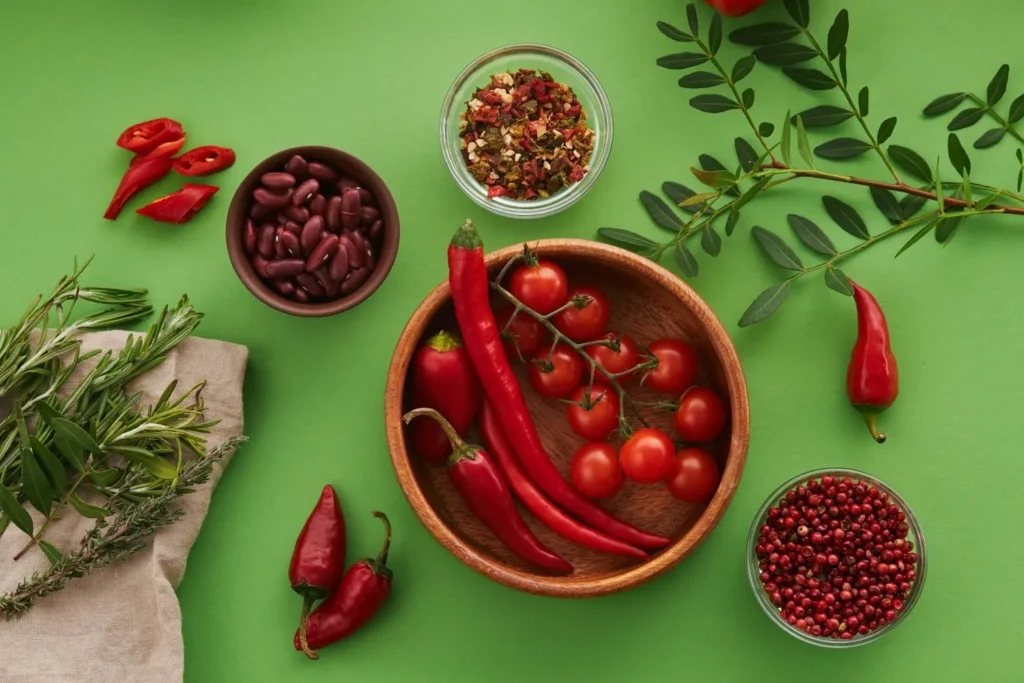
Metabolism boosting foods are sold as shortcuts: a spoon of this, a cup of that, and the fat supposedly melts away. The reality is far less dramatic. Green tea, coffee, chilli and ginger each add only a small number of calories to your daily burn, protein-rich food adds somewhat more, and your muscle mass does most of the real work. This guide ranks what each food actually does, shows protein in grams for everyday Indian meals, and gives you a one-day plan to copy.
If you want the biology behind all this first, our explainer on how human metabolism works covers the mechanisms. This article stays practical: what to eat, how much, and what to stop expecting.
Which metabolism boosting foods actually work?
Protein-rich foods work best. Your body spends roughly 20-30% of a protein food’s calories just digesting it, against about 5-10% for carbohydrates and 0-3% for fat. Green tea, coffee and chilli add only a few dozen calories a day at most. No food replaces muscle, which sets most of your resting burn.
That ranking is worth remembering whenever a reel promises a “fat-burning” kitchen ingredient. Your total daily calorie burn is roughly 60-70% resting metabolism (the energy your body uses just to stay alive), about 10% digestion, and the rest movement. Foods can only nudge the digestion slice, and a small part of the other two. They cannot rewrite the whole equation.
The claim audit: what each food really adds
Here is a plain-language scorecard for the foods and drinks most often called metabolism boosters. The figures are rounded estimates, because individual responses vary a lot.
| Food or drink | The claim | What is realistic | Worth including? |
|---|---|---|---|
| Green tea (2-3 cups) | Speeds up fat burning | A small, short-lived rise; tens of calories a day at most | Yes, if you enjoy it |
| Black coffee | Revs up metabolism | Slight, temporary bump; mainly alertness before a workout | Yes, 1-2 cups, without heavy sugar |
| Green or red chilli | Burns belly fat | Likely under 50 kcal a day; may mildly reduce appetite | Yes, if your stomach tolerates it |
| Cinnamon (dalchini) | Melts fat | No reliable calorie-burning effect; some interest in blood sugar | Harmless flavour |
| Apple cider vinegar | Boosts metabolism | No proven rise in metabolic rate; may help some people feel fuller | Optional; dilute it, protect your teeth |
| Grapefruit | Fat-burning fruit | No dependable effect | Fine as a fruit; can interact with some medicines |
| Ginger, turmeric, jeera water | Detox and fat burn | Little to none for calorie burn; pleasant, light drinks | Harmless habit |
| Ice-cold water | Body burns calories warming it | Under 20 kcal for half a litre | Drink water, any temperature |
| Protein-rich foods | Higher thermic effect | About 20-30% of their own calories used in digestion | Yes, the main food lever |
Notice the pattern: the loud claims sit on the left, the small numbers sit on the right. If you already like these foods, keep them. Just do not build a fat-loss plan around them.
Myth check: “fat-burning” foods and “slow metabolism” foods
Two myths cause most of the confusion around foods that boost metabolism, and both lead people to spend money and willpower in the wrong place.
Myth 1: a specific food burns fat. No food burns body fat directly. Fat loss happens when you eat fewer calories than you use over weeks, whatever the foods are. Some foods help you stay in that deficit by keeping you full, which is a different thing from burning fat. Our guide on nutrition and fat loss explains how the calorie balance really works.
Myth 2: certain foods “slow” your metabolism. Rice, roti, ghee, and eating at night do not slow your metabolic rate. What can lower it is eating far too little for too long, losing muscle along the way, and sleeping badly. Your body then spends less energy than before, which makes weight loss feel stuck. Crash diets are the usual cause, not a particular food.
Why does protein burn more calories than other foods?
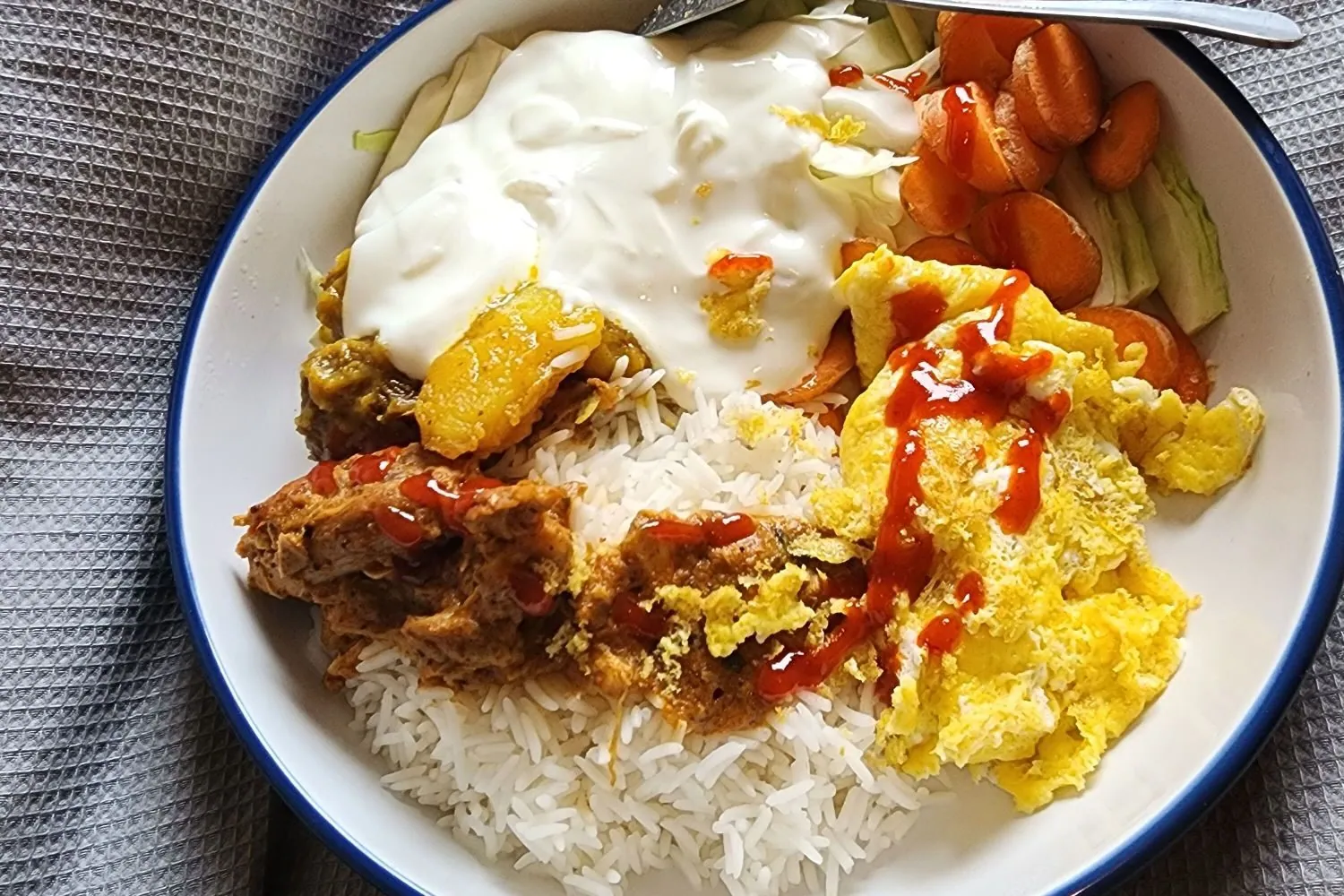
Protein takes more energy to break down, absorb and store than carbohydrate or fat. This “thermic effect of food” uses roughly 20-30% of protein calories, so 100 kcal of protein leaves about 70-80 kcal for your body. For carbohydrate, about 90-95 kcal remain. The gap is real but modest.
Let us put numbers on it. Suppose you eat about 1,800 kcal a day. If 60 g of that is protein (240 kcal), digesting it costs roughly 50-70 kcal. If you raise protein to 100 g (400 kcal), the digestion cost climbs to about 80-120 kcal. The difference is perhaps 30-50 kcal a day, which is more than any spice can manage, and it comes with a bonus: protein keeps you full and helps you hold on to muscle while losing weight.
That muscle point matters most. Muscle is the tissue that keeps your resting burn healthy, so a protein-rich diet combined with strength training protects the one thing that genuinely supports your metabolism. For targets and timing, see our protein and nutrition guide.
As a working range, many active adults do well with roughly 1.2-2.0 g of protein per kg of body weight a day, spread across three or four meals. A 65 kg person would aim for roughly 80-130 g. If you have kidney disease or any medical condition that affects diet, check the right target with your doctor or dietitian first.
Protein in grams: Indian foods that raise the thermic effect
These are the high protein foods for metabolism that fit an Indian kitchen. Values are approximate and change with brand, cooking method and portion size.
| Food | Portion | Protein (about) | Energy (about) |
|---|---|---|---|
| Egg, boiled | 1 large (50 g) | 6 g | 70 kcal |
| Chicken breast, cooked | 100 g | 30 g | 165 kcal |
| Fish such as rohu, cooked | 100 g | roughly 20 g | roughly 140 kcal |
| Paneer | 100 g | 18 g | 270 kcal |
| Soya chunks, dry | 30 g | 15 g | 100 kcal |
| Rajma or chole, cooked | 1 katori (150 g) | 10-12 g | about 190 kcal |
| Cooked toor or moong dal | 1 katori (150 g) | 8-10 g | 150-170 kcal |
| Tofu, firm | 100 g | 8-12 g | 95-120 kcal |
| Toned milk | 250 ml (1 glass) | 8 g | about 140 kcal |
| Plain dahi | 200 g (1 bowl) | 7 g | about 120 kcal |
| Roasted chana | 30 g | 6 g | 110 kcal |
Vegetarians can reach the same totals by combining dal, soya, paneer, curd and sprouts across the day. It takes a little planning, not a supplement. Eggs and fish are efficient if you eat them; soya chunks and roasted chana are the cheapest options per gram of protein.
A one-day walkthrough: eating for a steadier metabolism
This sample day is built around protein at every meal, a little caffeine if you like it, and ordinary Indian food. Treat it as an illustration, not a prescription: portions, oil and total calories need to match your own size and goal.
| Time | Meal | What to eat | Protein (about) |
|---|---|---|---|
| 8:00 am | Breakfast | Egg bhurji with 1 roti, or 2 moong dal chillas with a bowl of dahi | 18-22 g |
| 10:30 am | Mid-morning | Green tea or black coffee, plus a fruit or 30 g roasted chana | about 6 g |
| 1:00 pm | Lunch | 1 katori dal, 2 rotis, sabzi, salad, and 100 g paneer or chicken | 30-35 g |
| 4:30 pm | Evening | Sprouts chaat or a glass of chaas with a handful of peanuts | 8-10 g |
| 8:00 pm | Dinner | 100-120 g fish, tofu or soya, sabzi, 1 roti, and a katori of dal | 25-30 g |
That adds up to roughly 85-105 g of protein, a sensible range for someone around 60-70 kg. Pair it with strength training two to four times a week. Our guide on how to boost metabolism for women covers training and lifestyle habits in more detail.

Does skipping meals or eating very little slow your metabolism?
Yes, it can. Eating far below your needs for weeks makes your body conserve energy and burn less than expected for your new weight. You also lose muscle if protein and strength training are missing. A moderate deficit of roughly 300-500 kcal below maintenance avoids most of this.
This is the opposite of what most “boosting” advice suggests, and it matters more than any food on the earlier list. Extreme plans such as two-meal crash diets, juice-only days or very low calorie targets often end in lost muscle, a stalled scale and rebound eating. If belly fat is your main concern, our guide to reducing visceral belly fat applies the same approach: steady deficit, enough protein, regular training.
Troubleshooting: you eat well and still feel sluggish
If you already eat protein, drink tea and train, but still feel tired, cold or stuck, work through this list before blaming your metabolism.
- Are you actually eating enough? Many people who “eat nothing” are well under 1,200 kcal. Track honestly for three days.
- Is protein spread out? Having most of it at dinner wastes the morning. Aim for 20-30 g per meal.
- Are you sleeping 7-8 hours? Short sleep raises hunger and lowers energy, which feels like a slow metabolism.
- Are you moving outside workouts? Daily steps, stairs and standing count for a large share of your burn.
- Could it be medical? Persistent tiredness, feeling cold, constipation, hair thinning, irregular periods or unexplained weight gain deserve a blood test. See a doctor, and ask about thyroid function, haemoglobin and vitamin D. Our article on the signs of a slow metabolism explains what is and is not a red flag.
Do not start supplements or fat burners to solve this. They add side effects such as a racing heart or stomach upset, without addressing the causes above.
Who should adjust what: women, vegetarians, desk workers and over-40s
Women: your total protein need is smaller in grams, but the share per meal still matters. Pair meals with strength work to protect muscle, especially around perimenopause. Vegetarians and vegans: build each meal around dal, soya, paneer, tofu or curd, and eat a variety through the day. Desk workers: a short walk after meals and protein at lunch beat any metabolism tea. People over 40: muscle loss speeds up with age, so protein plus lifting becomes more important, not less. Anyone with thyroid disease, diabetes, kidney disease or on regular medication: keep your doctor involved and do not change your diet drastically on your own.
Frequently asked questions
Can eating more often keep my metabolism running through the day?
Not in a meaningful way. What counts is the total calories and protein you eat across the day, not how many times you eat. Three meals and two snacks work for some people, two big meals work for others. Choose the pattern that helps you hit your protein target and stay consistent.
Does green tea really boost metabolism?
Slightly and briefly. Two to three cups of green tea may raise your calorie burn by a few dozen calories a day at most, and the response differs between people. It is a pleasant, low calorie drink, but it will not replace a calorie deficit, protein or strength training.
Does spicy food boost metabolism?
A little. Chilli can raise energy use slightly after a meal and may reduce appetite, but the effect is likely under 50 kcal a day. Eat spicy food if you enjoy it. Skip it if it gives you acidity or stomach pain, since the benefit is too small to justify discomfort.
Do metabolism booster supplements work better than foods?
Generally no. Most fat burner pills contain caffeine, green tea extract or capsaicin, the same compounds with the same small effects, but in concentrated form. That can mean palpitations, jitteriness, poor sleep or an upset stomach. Whole foods and a protein-rich plan are safer and cheaper.
What is the best way to speed up a slow metabolism?
Build muscle with strength training two to four times a week, eat roughly 1.2-2.0 g of protein per kg of body weight, sleep 7-8 hours, and avoid crash dieting. These changes take weeks to show. If tiredness, cold intolerance or weight gain persist, get a thyroid check with your doctor.
If you want these numbers turned into a plan for your own body and food habits, book an online nutritionist consultation and get a protein and calorie target built around your routine, or pair it with 1-on-1 personal training to build the muscle that keeps your metabolism healthy.


