

Fiber rich foods are the cheapest health upgrade most Indian kitchens already stock: whole chana, rajma, bajra, guava and methi seeds all beat the imported “superfoods” on fibre per rupee. Yet most of us eat polished rice, maida and peeled, overcooked vegetables, so we land well short of the daily target. This guide gives you the actual numbers: how many grams you need, which fiber foods deliver them (per 100 g and per real serving, from Indian lab data), a 7-day plan to build up without bloating, and who should go slower or ask a doctor first.
Every food value below comes from the Indian Food Composition Tables 2017 (ICMR-NIN), which measured total, insoluble and soluble dietary fibre in foods sampled across Indian regions. Serving figures are our arithmetic from those values, so treat them as close estimates.
How much fibre do you need in a day?
Most Indian adults need 25–40 g of dietary fibre a day. ICMR-NIN’s 2020 nutrient requirements set a safe intake of about 30 g per 2,000 kcal, which works out to 25–30 g for sedentary adults and 40–50 g for very active ones. The WHO’s 2023 guideline sets a floor of at least 25 g of naturally occurring fibre for everyone aged 10 and above.
The ICMR-NIN expert group tied fibre to energy intake for the first time in its 2020 Recommended Dietary Allowances for Indians, which is why a labourer and a desk worker get different numbers. The WHO’s July 2023 update recommends adults eat at least 400 g of vegetables and fruit plus 25 g of naturally occurring fibre daily, with lower floors for children: 15 g at 2–5 years and 21 g at 6–9 years.
| Group | Sedentary | Moderate activity | Heavy activity |
|---|---|---|---|
| Adult men (65 kg reference) | 30 g | 40 g | 50 g |
| Adult women (55 kg reference) | 25 g | 30 g | 40 g |
| Children 1–3 years | 15 g | ||
| Children 4–6 years | 20 g | ||
| Children 7–9 years | 26 g | ||
| Boys / girls 10–12 years | 33 g / 30 g | ||
| Boys / girls 13–15 years | 43 g / 36 g | ||
| Boys / girls 16–18 years | 50 g / 38 g | ||
Why bother hitting the number? The largest evidence review on the question, a 2019 series of meta-analyses in The Lancet covering 185 prospective studies and 58 clinical trials, found that people eating the most fibre had a 15–30% lower risk of death from all causes and cardiovascular disease, and lower rates of heart disease, stroke, type 2 diabetes and colorectal cancer, compared with those eating the least. The biggest risk reduction appeared at 25–29 g a day. The data is observational, so it shows association rather than proof.
For comparison, the NHS recommends 30 g a day for UK adults, who average only about 20 g. Closing a 10 g gap takes roughly one katori of whole dal plus half a guava.
Soluble vs insoluble fibre: two different jobs
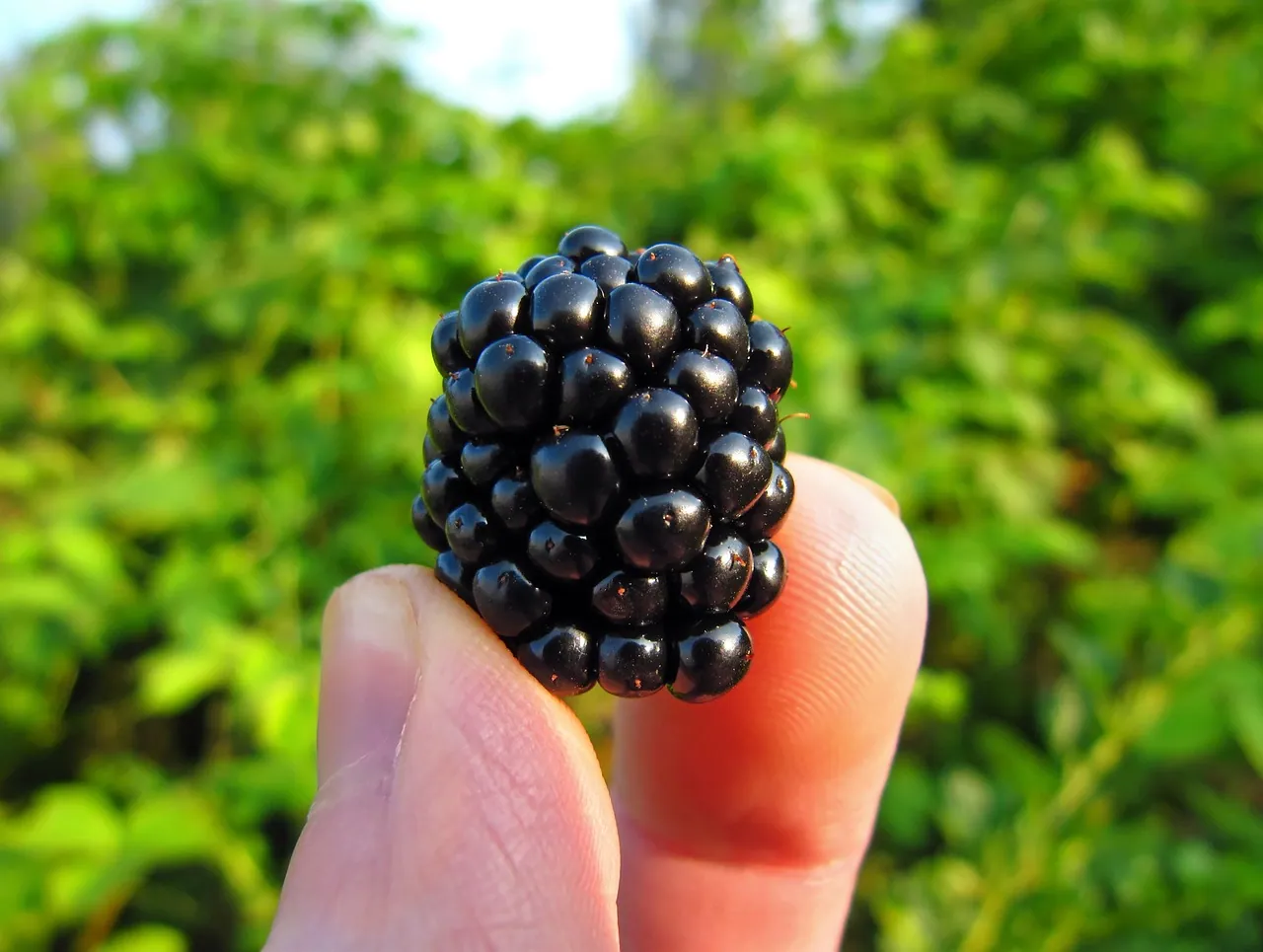
Fibre is the part of plant food your small intestine cannot digest. It comes in two broad types, and most whole foods contain both. According to Mayo Clinic, soluble fibre dissolves in water into a gel that slows digestion and can help lower cholesterol and blood glucose. Insoluble fibre does not dissolve. It adds bulk to stool and helps material move through the gut.
Soluble fiber rich foods (the gel-formers)
Soluble fibre is the type linked to cholesterol and blood-sugar benefits. Harvard’s Nutrition Source notes that a meta-analysis of 67 controlled trials found a modest drop in total and LDL cholesterol with soluble fibre. The effect is modest, so fibre supports treatment for high cholesterol but does not replace it. In IFCT 2017, the Indian foods highest in soluble fibre per 100 g are:
- Methi (fenugreek) seeds: 19.9 g soluble out of 47.6 g total. That is unusually high, but you only eat a teaspoon or two.
- Whole urad (black gram): 4.9 g soluble out of 20.4 g total.
- Linseeds (alsi): 4.3 g soluble out of 26.2 g total.
- Quinoa: 4.5 g soluble out of 14.7 g total.
- Fruit: custard apple (1.9 g), amla (1.6 g), guava (1.5 g) and apple (1.2 g).
Oats are the best-known soluble-fibre breakfast, and they work well in an Indian kitchen as savoury oats upma or oats chilla. IFCT 2017 doesn’t list oats, so we have left them out of the tables rather than guess a figure.
Insoluble fibre (the bulk-builders)
Whole grains, the husk of pulses, nuts, seeds and vegetable skins are mostly insoluble fibre. In whole Bengal gram (kala chana), 22.7 g of the 25.2 g of fibre per 100 g is insoluble. Atta is about 86% insoluble (9.7 of 11.4 g). This is the type that relieves constipation. It is also the type that causes the most wind if you add it too fast.
Indian fiber rich foods: pulses, millets and seeds ranked
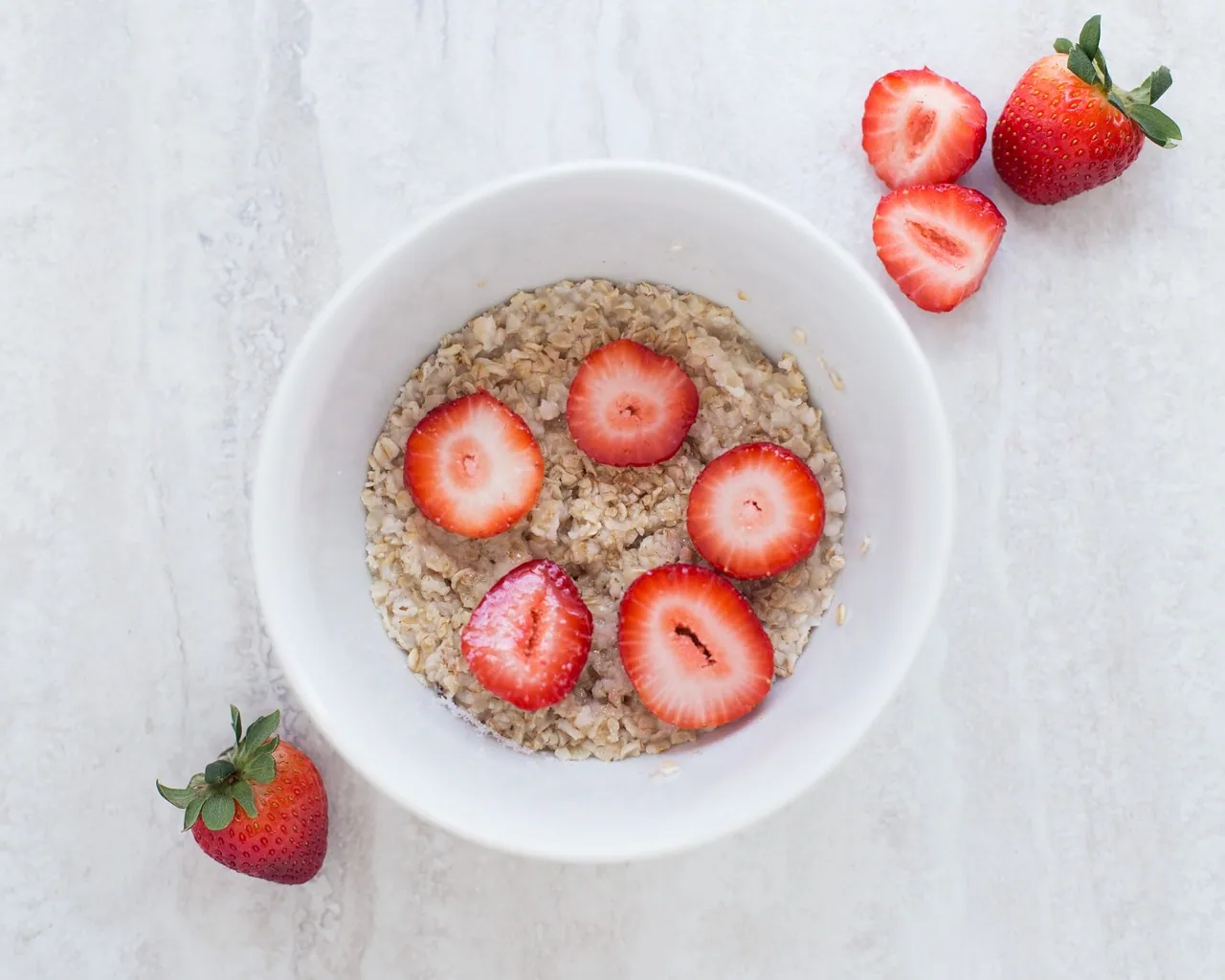
If you change one thing, switch from dal to whole pulses, because dehusking removes a large share of the fibre. Whole green gram has 17.0 g of fibre per 100 g, while moong dal has 9.4 g. Whole kala chana has 25.2 g, while chana dal has 15.2 g. Millets such as bajra, ragi and jowar sit at 10–11.5 g, far above polished white rice at 2.8 g.
| Food | Total fibre / 100 g | Insoluble | Soluble | Typical serving (raw) | Fibre per serving (approx.) |
|---|---|---|---|---|---|
| Kala chana (Bengal gram, whole) | 25.2 g | 22.7 g | 2.5 g | 30 g (1 katori cooked) | 7.6 g |
| Whole urad (black gram) | 20.4 g | 15.5 g | 4.9 g | 30 g | 6.1 g |
| Whole moong (green gram) | 17.0 g | 14.6 g | 2.4 g | 30 g | 5.1 g |
| Dry peas (matar) | 17.0 g | 14.6 g | 2.5 g | 30 g | 5.1 g |
| Whole masoor (brown lentil) | 16.8 g | 14.2 g | 2.7 g | 30 g | 5.0 g |
| Rajma (red kidney bean) | 16.6 g | 13.9 g | 2.7 g | 30 g | 5.0 g |
| Chana dal | 15.2 g | 12.7 g | 2.5 g | 30 g | 4.5 g |
| Moong dal / toor dal | 9.4 g / 9.1 g | 7.8 g / 6.7 g | 1.6 g / 2.4 g | 30 g | 2.8 g / 2.7 g |
| Quinoa | 14.7 g | 10.2 g | 4.5 g | 30 g | 4.4 g |
| Bajra (pearl millet) | 11.5 g | 9.1 g | 2.3 g | 30 g (1 roti) | 3.4 g |
| Atta (whole wheat flour) | 11.4 g | 9.7 g | 1.6 g | 30 g (1 roti) | 3.4 g |
| Ragi (finger millet) | 11.2 g | 9.5 g | 1.7 g | 30 g | 3.4 g |
| Jowar (sorghum) | 10.2 g | 8.5 g | 1.7 g | 30 g (1 roti) | 3.1 g |
| Brown rice | 4.4 g | 3.6 g | 0.8 g | 30 g | 1.3 g |
| White rice (milled) | 2.8 g | 2.0 g | 0.8 g | 30 g | 0.8 g |
| Linseeds (alsi) | 26.2 g | 21.8 g | 4.3 g | 10 g (1 tbsp) | 2.6 g |
| Methi seeds | 47.6 g | 27.6 g | 19.9 g | 5 g (1 tsp) | 2.4 g |
| Almonds | 13.1 g | 10.6 g | 2.5 g | 20 g (about a handful) | 2.6 g |
| Groundnuts | 10.4 g | 8.6 g | 1.8 g | 30 g | 3.1 g |
Two practical notes. First, 30 g of raw pulse is a modest portion. Many people cook 40–50 g per head for a main-dish chole or rajma, which scales the fibre up in proportion. Second, whole pulses bring protein too: kala chana carries 18.8 g of protein per 100 g in the same table. If you’re building meals around both, our high-protein vegetarian foods list pairs well with this chart.
High fiber foods among fruits and vegetables
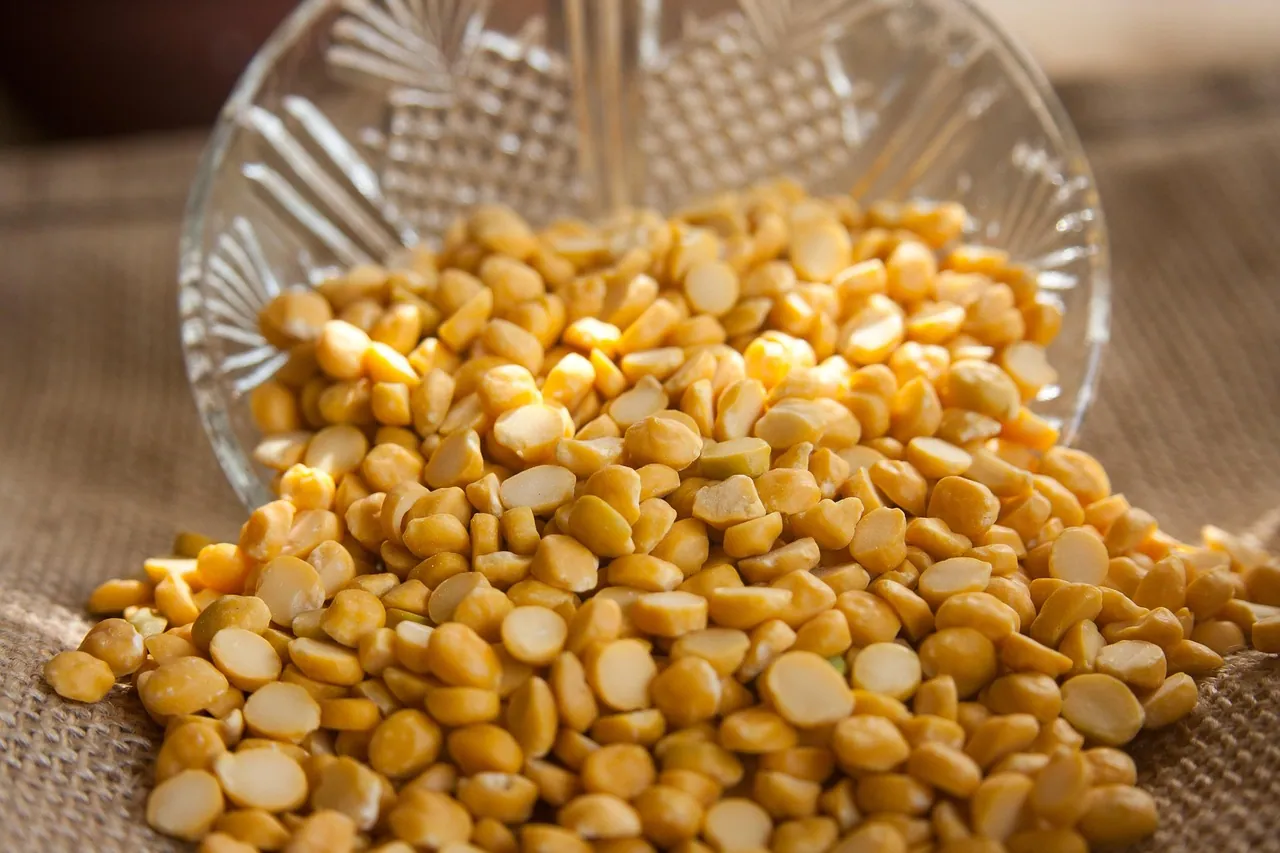
Fruit and vegetables give less fibre per gram than pulses because they are mostly water. They still matter because you eat larger portions of them. The standout is plain Indian guava. White-flesh guava has 8.6 g of fibre per 100 g, more than three times an apple’s 2.6 g, and it costs less in season.
| Fruit | Total fibre | Soluble | Vegetable | Total fibre | Soluble |
|---|---|---|---|---|---|
| Dates, dry (dark) | 9.1 g | 1.5 g | Drumstick (moringa pods) | 6.8 g | 1.2 g |
| Guava, white flesh | 8.6 g | 1.5 g | Green peas, fresh | 6.3 g | 1.3 g |
| Amla (Indian gooseberry) | 7.8 g | 1.6 g | Methi leaves | 4.9 g | 1.7 g |
| Custard apple (sitaphal) | 5.1 g | 1.9 g | Cluster beans (gawar) | 4.8 g | 1.3 g |
| Pear | 4.5 g | 0.5 g | Carrot, orange | 4.2 g | 1.4 g |
| Pineapple | 3.5 g | 0.6 g | Bhindi (ladies finger) | 4.1 g | 1.3 g |
| Papaya, ripe | 2.8 g | 1.1 g | Sweet potato | 4.0 g | 1.4 g |
| Pomegranate | 2.8 g | 0.6 g | Cauliflower | 3.7 g | 1.0 g |
| Apple | 2.6 g | 1.2 g | Spinach (palak) | 2.4 g | 0.9 g |
| Banana (robusta) | 1.9 g | 0.7 g | Cucumber | 2.1 g | 0.6 g |
Fiber rich foods vegetables: getting the most out of the sabzi
- Keep the skin where you can. Carrot, cucumber, potato and apple skins are mostly insoluble fibre.
- Choose pods and seeds. Drumstick, peas, gawar and bhindi beat leafy greens gram for gram.
- Eat fruit whole instead of as juice. Straining removes the pulp, and most of the fibre goes with it.
- Dates are fibre-dense but sugar-dense too. Two or three are a snack, not a fibre strategy. If blood sugar is a concern, check our glycemic index chart of common Indian foods.

Myth check: “I eat salad and brown bread, so my fibre is fine”
This is the most common misread we see. Three problems usually hide behind it:
- Salad is mostly water. A 100 g cucumber-and-onion salad gives about 2 g of fibre. It helps, but it won’t cover a 25–30 g target.
- “Brown” is not the same as “whole grain.” Many breads sold in India as brown are mainly refined flour with added colour. Check the label: whole wheat flour (atta) should be the first ingredient, and the nutrition panel should show fibre per 100 g. If the label doesn’t list fibre, assume it’s low.
- Multigrain atta can hide a small millet share. Plain atta already has about 11.4 g of fibre per 100 g. Adding bajra or jowar is mainly about variety, not a big fibre jump, since all three sit at 10–11.5 g.
The honest fix is structural. Make whole pulses a daily item, make rotis from atta or millet instead of maida, and add one high-fibre fruit. That gets most people to 25 g without supplements. Fibre also shapes how starch behaves in the body. Our explainer on the function of carbohydrates in nutrition covers where fibre sits among carbs.
A 7-day fibre ramp-up plan (walkthrough)
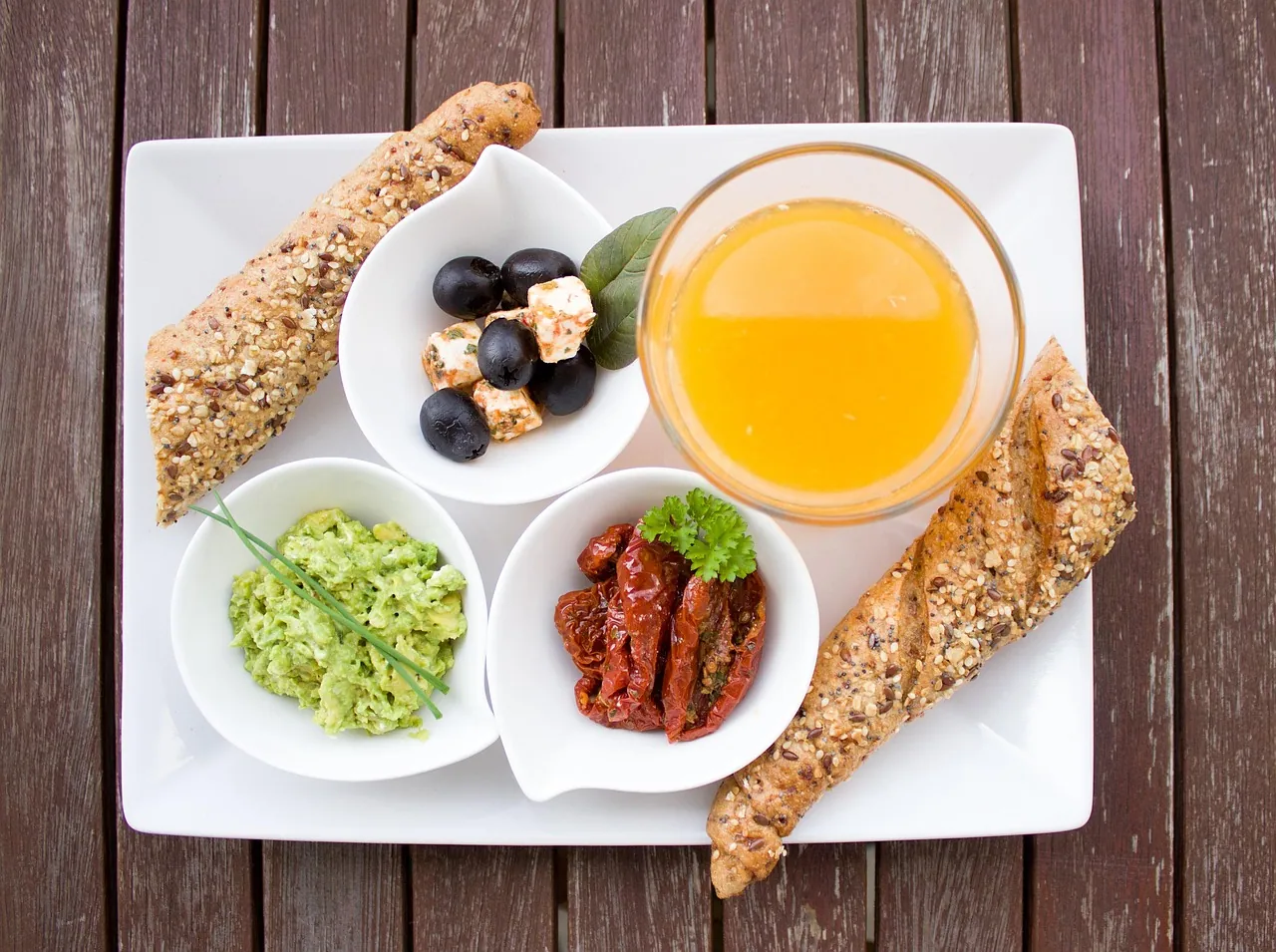
Adding 15 g of fibre overnight is the fastest way to get gas, cramps and a bloated belly, and to give up by day three. The US National Institute of Diabetes and Digestive and Kidney Diseases advises adding fibre by 2–3 g a day to help prevent gas and bloating. Mayo Clinic recommends spreading the increase over a few weeks and drinking plenty of water, because fibre works by holding water.
The plan below assumes your day starts at roughly 15 g, typical of a white-rice, dal and one-roti routine. Each step adds or swaps one thing. The fibre figures come from the IFCT values above.
| Day | Change | Extra fibre | Running daily total | Watch for |
|---|---|---|---|---|
| 1 | Stir 1 tbsp (10 g) ground alsi into curd or roti dough | +2.6 g | ~17.5 g | Drink one extra glass of water |
| 2 | Swap 30 g of lunch rice for 1 atta or jowar roti | +2.6 g | ~20 g | Nothing, usually |
| 3 | Cook whole moong instead of moong dal (30 g) | +2.3 g | ~22.5 g | Mild wind is normal. Soak pulses overnight |
| 4 | Replace the 4 pm biscuit with 100 g pear or half a guava | +4.5 g | ~27 g | Bigger step. Take half the fruit if gassy |
| 5 | 1 tsp methi seeds, soaked overnight, into the dal tadka or taken with water | +2.4 g | ~29.5 g | Bitter taste. Start with ½ tsp |
| 6 | Hold: no new foods. Walk 20–30 min after meals | 0 g | ~29.5 g | Let the gut bacteria adapt |
| 7 | Add 50 g carrot and 50 g cucumber with the skin on as a lunch salad | +3.2 g | ~32.5 g | You’re now within the ICMR-NIN range for most adults |
If any step causes discomfort that lasts more than a day or two, repeat the previous day’s intake for three to four days before moving on. A two-week ramp is perfectly fine.
Bloating, gas or harder stools? Troubleshooting
Some wind in the first week is normal. Gut bacteria ferment fibre, and gas is a by-product of that. These are the usual causes when it goes beyond mild, with the fix for each:
- Too much, too fast. Go back one step and hold for 3–4 days.
- Not enough fluid. Insoluble fibre without water can make stools harder, not softer. Space water through the day and don’t try to drink it all at once.
- Unsoaked or undercooked pulses. Soak rajma, chana and whole urad for 8–12 hours, discard the water and pressure-cook them fully. Hing, ajwain and ginger in the tadka are traditional additions. They make dal easier to enjoy, though evidence that they cut gas is limited.
- Everything added in one meal. Spread fibre across breakfast, lunch, snack and dinner so no single meal carries 15 g.
Bloating with weight loss, blood in stool, night-time diarrhoea, or pain that wakes you up is not a fibre adjustment problem. See a doctor.
Fiber rich foods for constipation and piles
For constipation, the evidence-based approach is to raise fibre gradually, drink enough water and move daily. Insoluble-rich foods such as whole pulses, atta, bajra and vegetables with the skin on add stool bulk. Fruits like guava, pear and papaya add both fibre types. Avoid a sudden large jump, which can worsen cramping.
Fiber rich foods constipation checklist
- At least 2 servings of whole pulses or millets a day (about 10 g of fibre together)
- 1 high-fibre fruit a day: guava, pear or papaya
- 1 tbsp ground alsi, taken with a full glass of water
- Water spread through the day, plus a 10–20 minute walk after meals
Fiber rich foods for piles
The NHS guidance on haemorrhoids is simple: drink lots of fluid and eat plenty of fibre to keep stools soft, don’t strain, and don’t ignore the urge to go. The same foods listed above apply. Soft stools reduce straining, which is the main goal. The NHS also advises urgent medical help for painless bleeding from the bottom, pus, or fever. Don’t assume bleeding is “just piles” without a check-up.
Who should be careful with a high-fibre diet?
People with IBS, inflammatory bowel disease (Crohn’s or ulcerative colitis), a narrowed bowel, or a recent gut surgery should not simply “eat more fibre.” Some need a gentler, soluble-first approach. Others, such as people with a Crohn’s stricture, may be told to follow a low-fibre diet for a period. Ask your gastroenterologist first.
- IBS: NIDDK notes that soluble fibre (oats, fruit, beans) is generally more helpful than insoluble for IBS symptoms. Increase slowly, because too much at once can trigger gas and pain. Some people need a supervised low-FODMAP trial, which can temporarily limit certain high-fibre foods such as rajma and chana.
- Crohn’s disease with strictures: Mayo Clinic notes that a low-fibre diet may be recommended to reduce the risk of intestinal blockage in people with a narrowed bowel. Don’t follow a high-fibre ramp-up plan without your doctor’s approval.
- Diabetes on insulin or sulfonylureas: more fibre can change post-meal glucose. Monitor your readings as you change meals and discuss any pattern with your doctor. Never adjust medication on your own.
- Children: use the age-specific targets in the first table (15–26 g for ages 1–9), not the adult numbers, and increase fibre with extra fluid.
- Heavy fibre-supplement users: isabgol and similar supplements can change how some medicines are absorbed. Ask your pharmacist about timing.
Soluble fibre also plays a part in cholesterol control. Our diet plan to lower cholesterol shows how to build it into a full week.
Frequently asked questions
Which Indian food has the highest fibre?
Among everyday foods in IFCT 2017, methi seeds (47.6 g per 100 g), linseeds (26.2 g) and whole kala chana (25.2 g) top the list. Per realistic serving, whole kala chana wins: about 7.6 g in a 30 g raw portion.
How much fibre should I eat per day?
ICMR-NIN (2020) suggests about 30 g per 2,000 kcal: 25–30 g for sedentary adults and 40–50 g for very active ones. The WHO (2023) sets a minimum of 25 g a day for anyone aged 10 or above.
Is it better to get fibre from food or supplements?
From food, where possible. WHO’s 2023 target specifically refers to naturally occurring fibre. Whole foods also bring protein, minerals and polyphenols that supplements don’t. Supplements such as isabgol can help when a doctor recommends them.
Can too much fibre be harmful?
A sudden large increase commonly causes gas, bloating and cramps. For people with a narrowed bowel from Crohn’s disease, a high-fibre diet can raise the risk of blockage. For most healthy adults, increasing by 2–3 g a day with enough water is safe.
Is brown rice much higher in fibre than white rice?
Brown rice has 4.4 g of fibre per 100 g raw, compared with 2.8 g for milled white rice (IFCT 2017). That’s an improvement, but far below millets (10–11.5 g) or whole pulses (16–25 g).
Does cooking destroy fibre?
No. Cooking softens fibre but doesn’t remove it. Fibre is lost through refining, peeling, straining (as in juice) and dehusking pulses. Keep skins on and choose whole grains and pulses to retain it.
Which fruit has the most fibre in India?
Among common fresh fruits in IFCT 2017, white-flesh guava (8.6 g per 100 g) and amla (7.8 g) lead, followed by custard apple (5.1 g) and pear (4.5 g). Apple has 2.6 g per 100 g.
Your next step: start Day 1 of the plan tonight by stirring a tablespoon of ground alsi into tomorrow’s curd. If you’d like a qualified expert to fit fibre around your thyroid, sugar or gut history, book a Fitstrot online nutritionist session and bring a 3-day food log.


