
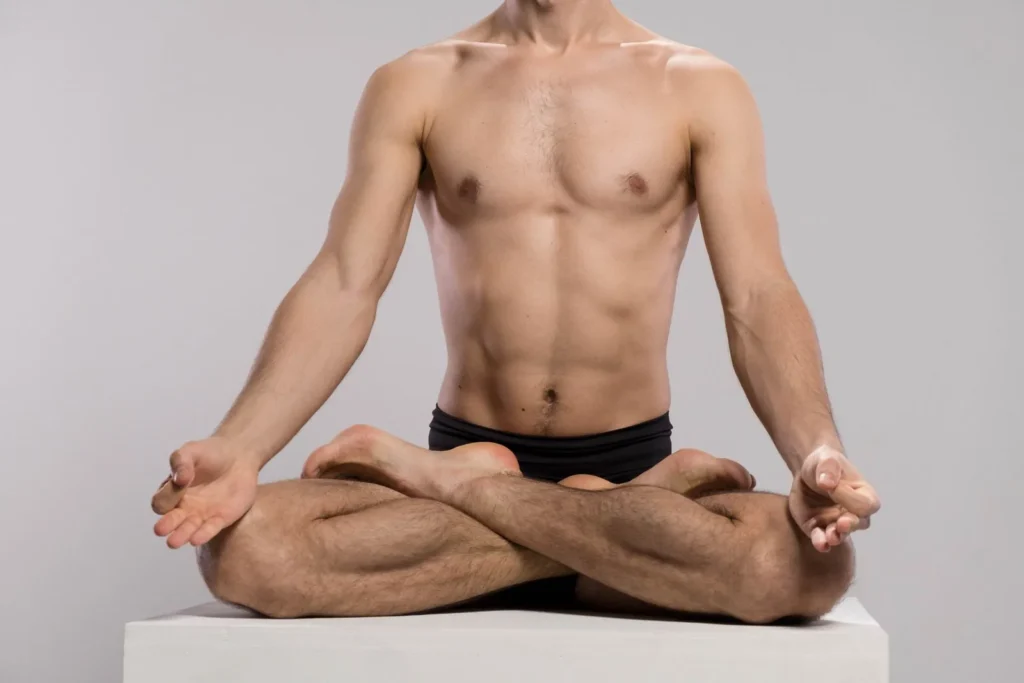
Sahaja yoga is a seated meditation method founded in 1970 by Nirmala Srivastava, known to followers as Shri Mataji Nirmala Devi. It centres on a quiet, thought-free state called “thoughtless awareness”, which followers say is reached when a subtle energy named kundalini rises through the body’s energy centres. It involves almost no physical postures. This guide gives a neutral overview of sahaja yoga: what the practice is, what a session looks like and how to judge it for yourself.
We teach yoga and fitness online, so we are not part of this movement and we do not endorse or oppose it. Where claims rest on belief or personal experience, we say so. Where the evidence is thin, we say that too.
What is sahaja yoga?
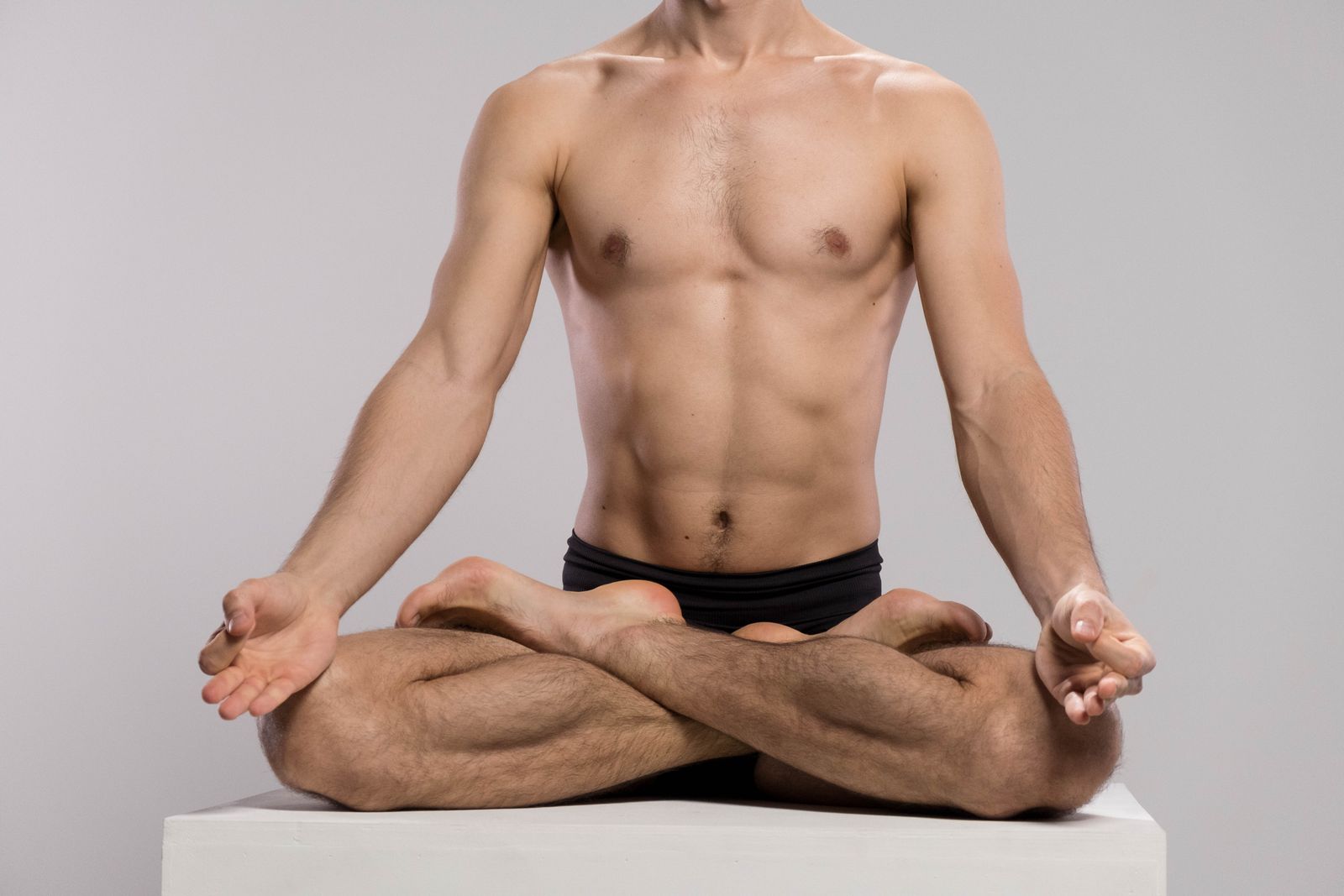
Sahaja yoga is a meditation system built on the belief that “self-realisation” can happen spontaneously, without years of austerity. Sessions are quiet and seated: you place attention on parts of the body linked to chakras, use simple hand positions and aim for stillness. Followers describe a cool, breeze-like sensation above the head as a sign it is working.
“Sahaja” is usually translated as spontaneous, natural or innate, from roots meaning “with” and “born”. The name expresses the central claim that the capacity for realisation is already within everyone. Among the many types of yoga, it sits at the meditative and devotional end, far from a fitness-oriented style such as vinyasa yoga or ashtanga yoga.
How did sahaja yoga begin, and what does it teach?
According to the movement’s own accounts, Nirmala Srivastava began teaching in India in 1970, offering public programmes and later spreading the method to Europe, North America and other regions. The teaching draws on Hindu concepts such as kundalini and the seven main chakras, and it presents realisation as a gift available to all, not a reward for discipline.
The kundalini and chakra framework resembles older tantric models. It is a system of belief and symbolism, not a map of anatomy, and the sahaja tradition adds its own correspondences. If you want to compare it with a practice that also uses the term, read our overview of kundalini yoga, which relies on breath, movement and mantra rather than a single seated technique.
Unlike kriya yoga, which is typically passed on through formal initiation, sahaja yoga says it is taught openly. The organisation states its regular classes are free of charge, but confirm this with your local group, since retreats and seminars may involve costs for food and lodging.
What happens in a typical sahaja yoga session?
A typical session lasts about 60 minutes. It usually combines a guided meditation, devotional songs called bhajans, a short talk and a closing meditation, sometimes with the feet resting in a bowl of warm salted water. Details differ between centres, so treat the table below as a general outline, not a fixed programme.
| Part of session | Approx. time | What usually happens | Good to know |
|---|---|---|---|
| Opening meditation | 10 to 20 minutes | Seated, guided, attention placed on specific body areas, often with hands resting palm-up on the lap | You can keep your eyes closed and follow at your own pace |
| Bhajans | 10 to 15 minutes | Group singing of devotional songs, often with harmonium and tabla | You may sit and listen if you prefer not to sing |
| Short talk | 10 minutes | A volunteer practitioner explains a theme or answers questions | Ask what is belief and what is method |
| Closing meditation | 10 to 15 minutes | Quiet sitting, sometimes with a foot soak in warm salt water | Salt-water soaks are a tradition, not a medical treatment |
Sessions are generally led by volunteer practitioners, not paid instructors. Many centres place a photograph of the founder nearby and include devotional hymns drawn from older Hindu sources, such as the Ganesh Atharvashirsha or the Hanuman Chalisa. Some people find this meaningful; others prefer a secular approach. Either reaction is reasonable, and it is better to know in advance.
How does sahaja yoga differ from other yoga paths?
Sahaja yoga differs from most popular yoga in being almost entirely seated and attention-based, with no sequence of postures. Compared with hatha or ashtanga, it builds no strength or flexibility. Compared with raja, bhakti or jnana yoga, it combines meditation and devotion around one defined experience, the cool sensation at the crown.
| Path | Main method | Physical postures | Typical entry point |
|---|---|---|---|
| Sahaja yoga | Seated meditation, chakra attention, bhajans | Almost none | Group session, often free |
| Hatha yoga | Postures, breathing, relaxation | Central | Studio or online class |
| Raja yoga | Eight-limbed path: ethics, concentration, meditation | Supportive | Study with a teacher |
| Bhakti yoga | Devotion, chanting, surrender | None required | Temple, satsang or home |
| Jnana yoga | Self-inquiry and study | None required | Reading and reflection |
| Kriya yoga | Breath and meditation techniques | Limited | Often through formal initiation |
| Kundalini yoga | Kriyas, breath, mantra, movement | Yes | Class with a trained teacher |
What do practitioners report, and what can be said honestly?
Practitioners report calmer reactions, better sleep and a feeling of lightness. Research on this particular method is limited and mostly small, so it cannot confirm the energy claims. General meditation, however, is widely associated with lower perceived stress. Treat sahaja yoga as a relaxation and attention practice, not as medical treatment.
| Claim you may hear | What can be said honestly |
|---|---|
| “A cool breeze appears above your head” | Many practitioners describe it. It is a personal sensation that cannot be independently measured. |
| “Kundalini rises through the chakras” | This is a belief within the tradition, not an anatomical structure. |
| “It lowers stress” | Many people report feeling calmer, as with other seated meditation. Evidence for this specific method is limited. |
| “It helps blood pressure or illness” | Relaxation can help some people feel better, but do not change or stop any medicine. Speak to your doctor. |
| “You will be realised in one session” | Experiences vary a lot. Having no special sensation is common and does not mean you are doing it wrong. |
The calming effect is real for many people and is broadly similar to what people report from mindfulness meditation. What differs is the belief framework around it. You can value the stillness without accepting every explanation.
Which misconceptions about sahaja yoga should you check?
Four assumptions cause most confusion: that it is a form of exercise, that it is the same as kundalini yoga, that it is risk-free for everyone, and that “free” means no commitment. It is meditation, it is a distinct organisation, and any group deserves some sensible questions first.
- “It is a workout.” It is not. For strength, flexibility and fitness, pair it with a physical practice.
- “It is the same as kundalini yoga.” Both use the term kundalini, but the methods and organisations differ.
- “Meditation is harmless for everyone.” Most people find it calming, but some find that quiet sitting stirs anxiety or difficult memories.
- “A free class means no strings.” Free entry is welcome, but you remain free to ask questions, say no and leave.
How do you decide if sahaja yoga suits you?
Attend one or two introductory sessions with no commitment, and ask questions. A healthy group welcomes them. Walk away from anything that pressures you for money, discourages questions, asks you to distance yourself from family or friends, or tells you to stop medical treatment. Meditation can complement medical care but not replace it.
Questions worth asking at any spiritual group:
- Is every class free, and what do retreats cost?
- Which parts are meditation technique and which are religious or devotional?
- Can I attend without singing, chanting or worship?
- Who leads the session and who answers for the centre?
If you live with anxiety, depression, trauma or another mental health condition, speak to a doctor or therapist before taking up an intensive meditation practice, and tell the teacher you are doing so.
How can you try sahaja yoga at home?
The simplest way to try it is through an introductory session, either at a local centre or online, which is the usual route in. Home practice is typically 10 to 15 minutes of quiet sitting at a fixed time each day. Consistency matters more than session length, as with any beginner routine.
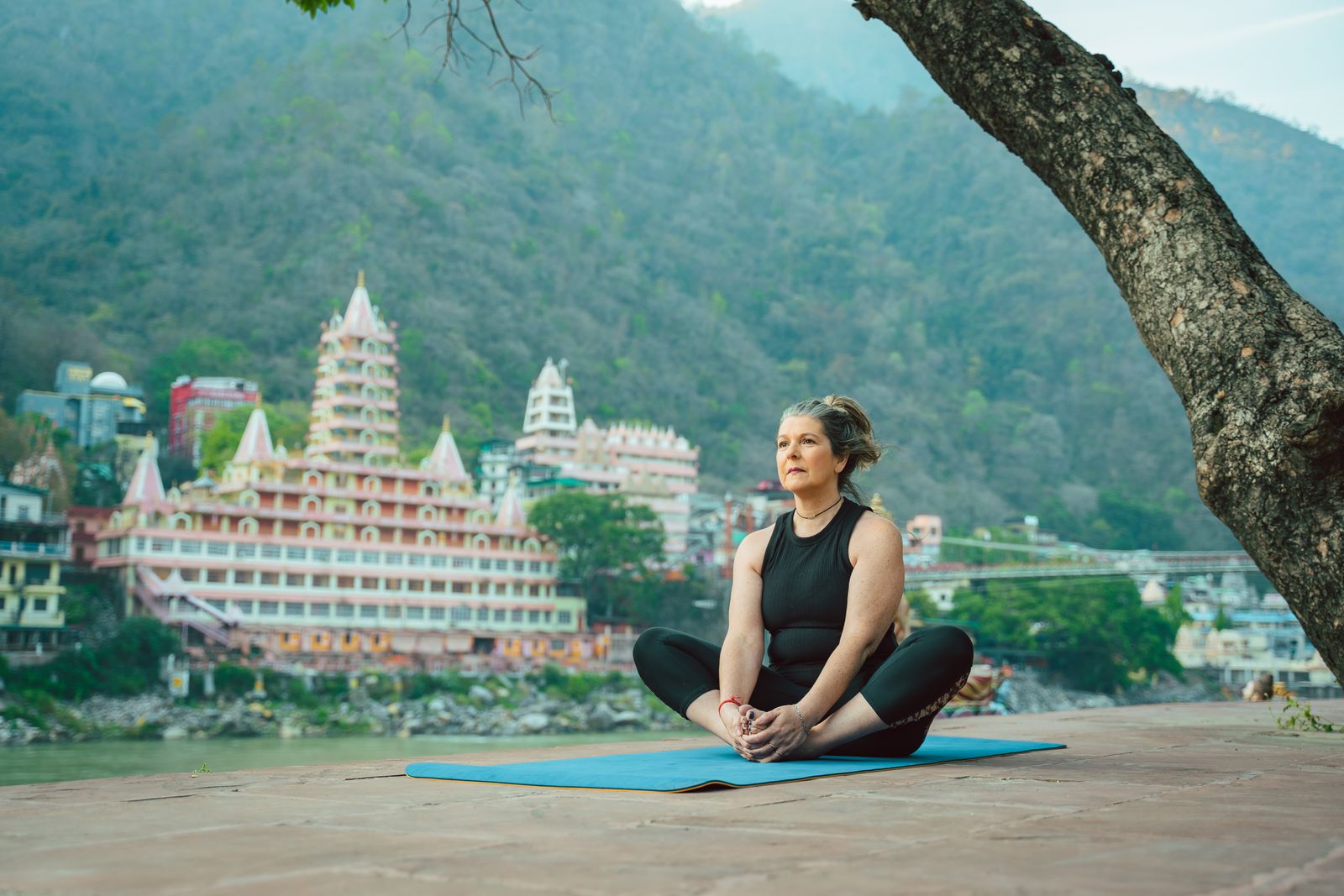
- Sit comfortably on a chair or cushion with a straight spine and relaxed shoulders.
- Rest your hands palm-up on your lap, or as your teacher showed you.
- Place attention on the crown of the head or the area your guide suggests, and stay still for 10 to 15 minutes.
- Let thoughts pass without arguing with them, and return to the same point of attention.
- Finish slowly and notice how you feel before standing.
If you are new to sitting still, our guide to meditation for beginners covers the basics that apply to any style. A short physical session beforehand makes long sitting easier on the hips and back.
What if the practice feels flat, restless or uncomfortable?
Most problems are ordinary: a busy mind, a stiff body or high expectations. Shorten the session, sit on a chair, practise at the same quiet time each day and drop the pressure to feel something. If distress or low mood persists, stop and speak to a doctor or mental health professional.
- Thoughts will not stop: This is normal. Noticing and returning is the practice.
- You feel nothing special: Many people do not, at first. Judge it by your stress and sleep over weeks, not by sensations.
- Your legs hurt: Sit higher, use a chair or lean against a wall.
- You feel uneasy in the group: Trust that. Try a different setting or practise alone.
Frequently asked questions about sahaja yoga
What is sahaja yoga meditation?
Sahaja yoga meditation is a seated technique that aims for thoughtless awareness by placing attention on the body’s chakra system, with kundalini said to rise to the crown of the head. It was founded in 1970 by Nirmala Srivastava and is usually taught in community groups.
Is sahaja yoga free?
The organisation states that its regular classes are free of charge, and most local meetings do not charge admission. Retreats, seminars or residential programmes may cost money for lodging and food, so ask your local group before attending.
Is sahaja yoga the same as kundalini yoga?
No. Both use the word kundalini, but kundalini yoga is a practice of breathwork, mantra, movement and meditation led by trained teachers, while sahaja yoga is a seated meditation method taught within one organisation. Their techniques and teaching styles differ.
Is sahaja yoga scientifically proven?
No. Research on this specific method is limited and mostly small, and nothing in it can prove kundalini or chakras exist. Meditation in general is linked with lower perceived stress, but it should not replace medical care.
Can beginners join a sahaja yoga session?
Yes. Introductory sessions are meant for newcomers and need no prior experience. Attend once, ask questions, take your time deciding and feel free to leave if the setting is not right for you.
Where to go from here
Sahaja yoga is one meditation path among many, so choose with curiosity and caution. If you also want the strength, flexibility and breath control that make sitting easier, explore FitStrot’s online yoga classes and build a physical base alongside whichever meditation practice you choose.


