
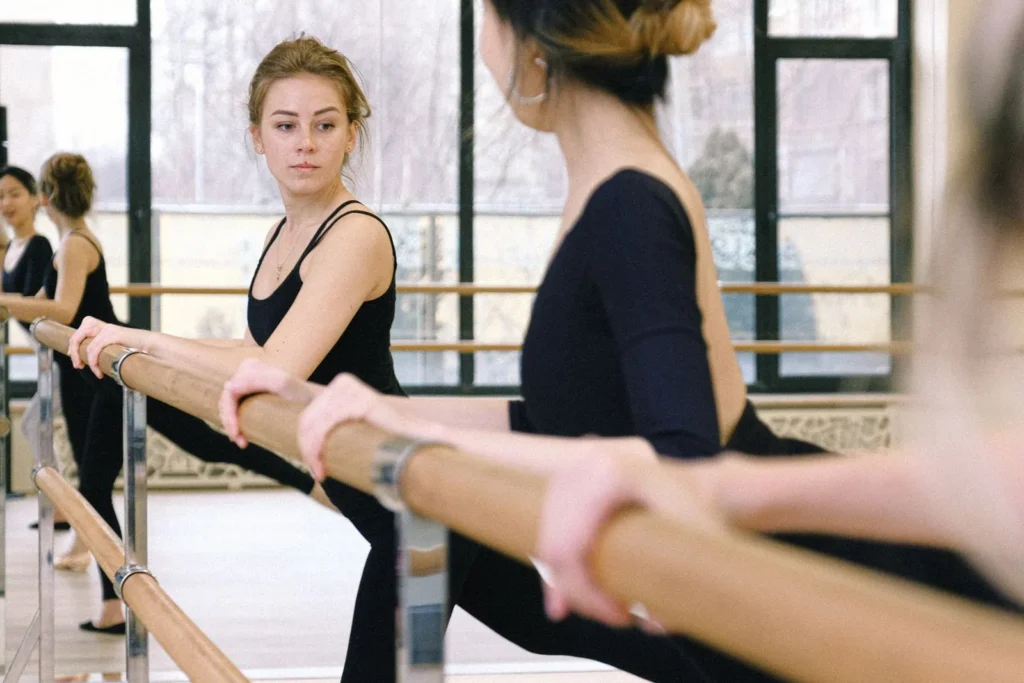
This zumba classes guide helps you choose the right format and level before you book a single session. Zumba is not one workout. A gentle Zumba Gold class, a toning class with light weights and a high-intensity Strong Nation session feel completely different, so picking well decides whether you stay for three weeks or three months. Everything below assumes you will join online, from your living room.
Which Zumba class format should you choose?
Choose the format that matches your joints, goal and space. Standard Zumba Fitness suits most first-timers. Zumba Gold is lower impact for older adults or anyone returning after a long break. Zumba Toning adds light weights of about 0.5 to 1 kg, and Strong Nation is a high-intensity workout with no dance steps.
Use this table as a quick decision tool. For the full list of variants and their origins, see our breakdown of types of Zumba; here we only cover what you need to decide.
| Your situation | Best-fit format | Intensity | Joint impact | What you need |
|---|---|---|---|---|
| First class ever, no dance background | Standard Zumba Fitness, beginner-friendly class | Moderate, easy to scale down | Medium | Supportive shoes, about 2 m by 2 m of floor |
| Age 50+, stiff joints or a long break from exercise | Zumba Gold | Low to moderate | Low | A sturdy chair nearby for balance |
| Want a firmer, worked-muscle feel | Zumba Toning | Moderate | Medium | Light dumbbells or toning sticks |
| Love sweating, dislike choreography | Strong Nation | High | High | Good shoes, a mat, a clear floor |
| Limited space or low tolerance for jumping | Chair-based Zumba Sentao | Moderate | Low to medium | One stable chair |
A few notes help you read the table. Zumba Gold keeps the same Latin rhythms but slows the pace and shortens the high-energy bursts, so it works for beginners of any age, not only seniors. Zumba Toning blends dance with light resistance, which raises effort without adding jumps. Strong Nation syncs interval training to the music, so you follow timed work and rest blocks instead of choreography. Pick by how your body feels on a normal day, not by how fit you hope to be in three months.
One format on the wider Zumba menu will not work online: Aqua Zumba is held in a pool, so it needs a gym or club with a pool. Which formats are running right now is listed on our online Zumba classes page, so check there before you plan around a specific style.
How do you pick the right Zumba level?
Pick your level by the talk test, not by ego. If you can say full sentences during the main songs, you are in the right zone. Beginners should start with 2 sessions a week, move to 3 after about a month, and add a fourth only once a rest day still leaves you fresh.
Zumba has no strict exam-style levels, but most instructors describe classes as beginner, mixed-level or higher-energy. Use the table as a rough guide and adjust to your body.
| Level | Who it fits | Talk test during main songs | Sessions per week | Move up when |
|---|---|---|---|---|
| Beginner | New to Zumba, or back after 6 months or more off | Full sentences | 2 | You can follow the basic steps through a whole song without stopping |
| Intermediate | About 1 to 3 months of regular classes | Short phrases | 3 | You add arm movements and turns without losing the beat |
| Higher energy | 3 to 6 months of steady attendance | A few words at a time | 3 to 4, with at least 1 full rest day | Fast tempo changes feel manageable and you recover well the next morning |
If you are brand new, our Zumba for beginners guide walks through the first fortnight in more detail. The timeframes above are common-sense averages, not promises; some people progress faster, and that is fine.
How does an online Zumba class run, minute by minute?
A typical online Zumba class lasts 45 to 60 minutes. It opens with a 5 to 10 minute warm-up, runs a 30 to 40 minute main routine of alternating fast and slow songs, and closes with a 5 to 10 minute cool-down of slower music and stretches that bring your heart rate down.
| Segment | Duration | What you do | Form cue |
|---|---|---|---|
| Warm-up | 5 to 10 min | Marching, side steps, shoulder rolls, easy hip movement | Keep knees soft, never locked |
| Main routine | 30 to 40 min | Salsa, merengue, reggaeton and pop-style songs, fast and slow in turns | Land mid-foot and quietly, hips and ankles do the work |
| Cool-down | 5 to 10 min | Slow songs, calf, thigh and chest stretches held 20 to 30 seconds | Breathe out slowly, do not bounce |
Set up before the first song. Place your laptop or TV at about chest height, two to three steps away, so you can see the instructor’s whole body and your own movement has room. Keep a water bottle and a small towel within reach, and open a window or switch on a fan, because sustained movement makes you sweat. If your camera is on, stand slightly to the side or toward the back of your frame if you feel self-conscious; telling the instructor it is your first class usually earns you extra cues and modifications.
Instructors mostly teach by showing, not by calling out directions, so keep your eyes on the screen instead of listening for “turn left”. Copy the feet first and add arms later; most people feel the rhythm click within 2 to 3 classes. Judge the session by how it feels, not by a calorie number; as a rough estimate, an hour of Zumba burns about 300 to 600 kcal depending on body weight and effort.
Myth check: “I have two left feet, so Zumba is not for me”
Dance skill is not a requirement. Classes are designed around repeated, simple moves, and the instructor cues each change. What you actually need is the willingness to keep moving through mistakes. Coordination builds with repetition, which is why people who stayed for a month usually look and feel very different from week one.
A second myth is that the hardest class is the best class. Higher intensity burns more per minute, but only if you can repeat it three times a week without pain. A moderate class you attend consistently beats a punishing one you skip after one soreness-filled week. Be honest too about outcomes: Zumba alone cannot target fat from one body part, and no class can guarantee a specific amount of weight loss. If weight loss is your main goal, read how Zumba classes for weight loss fit alongside food and sleep.
Your first four weeks: a simple trial plan
- Week 1: two beginner or mixed-level classes. Your only goal is to finish each one, even at half effort.
- Week 2: repeat the same two classes. Familiar songs feel easier, and the progress is motivating.
- Week 3: add a third session in a different format, such as Zumba Gold or Toning, and note which one you enjoyed more.
- Week 4: settle on the format you looked forward to, then decide on two or three sessions a week for the next month.
Enjoyment is the best predictor of whether you will keep going. Do not chase perfect steps in these first weeks; continuous movement and showing up matter far more than precision.
Troubleshooting: when a class feels wrong
- You are lost after the first song. Drop the arms and march the basic step. Come back to the arms once your feet are steady.
- You are breathless and cannot speak. Reduce the jumping, shrink the movements, or step side to side until your breathing settles. Intensity is yours to control.
- Your knees or ankles complain. Keep your feet closer to the floor, avoid hard landings, and check your shoes. If the discomfort is sharp or returns, stop and ask a doctor; a lower-impact format such as Zumba Gold may suit you better.
- You are bored in week three. You have probably outgrown the level. Try a higher-energy class, or add resistance through Zumba toning.
- Your space is tight or the floor is slippery. Clear a 2 m by 2 m patch, move the table, and wear shoes with grip rather than dancing barefoot or in socks. Our guide on what to wear for Zumba covers shoes and clothing.
Which Zumba class suits you? Quick picks by audience
- Busy professionals: a 45-minute evening session fits a post-office routine. If your calendar is unpredictable, compare live vs recorded Zumba classes before committing to a fixed slot.
- Women who want privacy and a friendly pace: join from home and start in a beginner-friendly class; see Zumba classes for ladies online.
- Age 50+ or returning after illness: start with Zumba Gold or a chair-based class, and check with your doctor first if you have a heart, blood pressure or joint condition.
- Stress and flexibility seekers: pair one Zumba session with one yoga session a week. Zumba and yoga balance each other well, and our online yoga classes make it easy to try.
Who teaches matters as much as what is taught
Pick an instructor who is licensed for the format they teach. At Fitstrot, Yash Pathak is the lead Zumba trainer, ZIN Licensed, ACE Certified and Strong Nation Certified. ZIN stands for Zumba Instructor Network, which means the choreography and music follow official class structure, and Strong Nation certification covers the no-dance, high-intensity format.
Whichever provider you choose, ask three questions before paying: which formats are taught, which certifications the instructor holds, and whether a trial class is available. For a wider look at joining from home, read our guide to online Zumba classes.
Frequently asked questions about Zumba classes
Which Zumba class is best for beginners?
A standard Zumba Fitness class labelled beginner or mixed-level is best for most first-timers, because the moves repeat and you control the intensity. If you are over 50, have stiff joints or are returning after a long break, start with Zumba Gold instead.
How many Zumba classes a week should I attend?
Beginners do well with 2 classes a week, moving to 3 after about a month. Advanced participants can do 3 to 4 with at least one full rest day. If you feel sore for more than 48 hours, drop one session.
Do I need dance experience to join an online Zumba class?
No. Zumba choreography is built from simple repeating steps, and instructors cue each change. Follow the feet first, add the arms later, and expect to feel comfortable within 2 to 3 classes.
How do I know if a Zumba class is too intense for me?
Use the talk test. If you cannot say a short sentence during the main songs, or you feel dizzy, sharp pain or chest discomfort, slow down or stop. Persistent symptoms need a doctor, not a tougher class.
Should I choose live or recorded Zumba classes?
Live classes give real-time cues and accountability; recorded classes give flexibility to repeat a session at any hour. Many people start live to learn the basics, then add recordings on busy days.
Pick one format from the table, then book a single beginner session this week and note how you feel afterwards. Join an online Zumba class with Fitstrot and ask your trainer which format fits your goal.


