
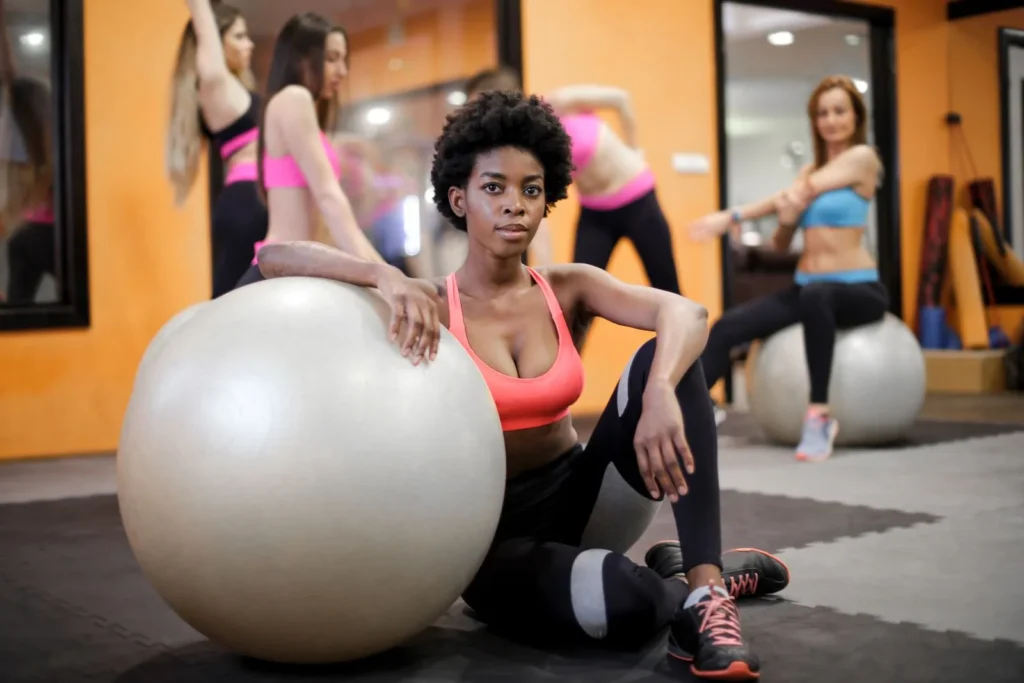
Zumba classes for ladies online give you a full dance-cardio workout from your own living room, in a setting where you can choose how visible you want to be. No commute, no crowded studio, no worrying about how you look mid-step. This guide covers what a women’s batch really changes, what it does not, how a 45-minute session runs, and how to start without overdoing week one.
Are zumba classes for ladies online any different from a regular class?
The workout is the same: Latin and Bollywood-style dance cardio at roughly 40 to 60 minutes per session. What changes is the audience and the atmosphere. A ladies batch means only women attend, which many find easier for confidence, camera comfort and asking beginner questions. The calories, steps and benefits do not change.
That distinction matters because “ladies-only” is a description of who joins, not a difficulty level. Some women prefer it for cultural or family reasons, some because they have had awkward experiences in mixed gyms, and some simply because they dance more freely when no one they know is watching. All of those are fair reasons.
Online, you also get a control that a studio never offers: your camera. In most live classes you can keep it off, angle it to show only your feet, or use a small screen and a corner of the room. Ask your instructor about camera expectations before the first class, so that nothing surprises you on the day.
Myth check: does ladies-only mean an easier workout?
No. Ladies-only describes who is in the class, not how hard it is. A women’s batch can be gentle or intense, depending on the instructor and the level it is pitched at. Always check the level (beginner, mixed-level or advanced), not just the audience label.
- Myth: it is a “light” version of Zumba. Reality: the choreography and music are the same, and intensity depends on how big you move.
- Myth: you need to know how to dance. Reality: classes are built on repeating basic steps. Following the beat matters more than perfect form.
- Myth: it is only for young women. Reality: batches regularly include college students, working professionals, homemakers and women in their 40s, 50s and beyond, all moving at their own intensity.
- Myth: it replaces all other exercise. Reality: it is excellent cardio, but one or two strength or stretching sessions a week round it out.
For a broader look at why women take up this style of workout, see our guide to Zumba for women.
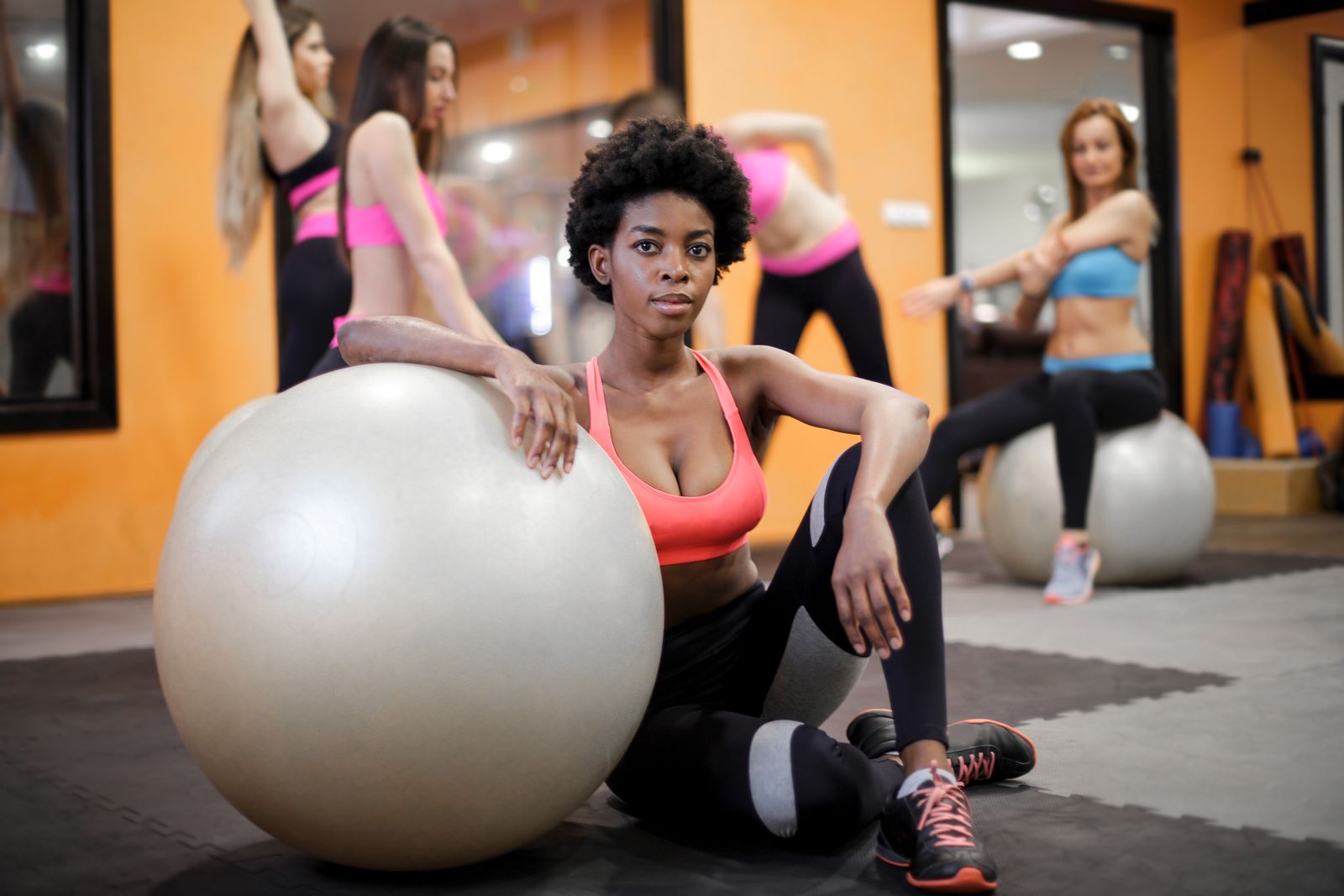
Ladies batch, mixed batch or recorded: which format suits you?
The right format depends on what stops you from showing up. If it is comfort, choose a women’s live batch. If it is your schedule, a recorded class wins. If you want accountability and live correction, pick a live class of either type. The table compares the four common options.
| Format | Who is in the class | Best for | Watch out for |
|---|---|---|---|
| Live ladies batch | Women only | Comfort, community, first-timers who feel shy | Fixed timings; confirm the level before booking |
| Live mixed batch | Women and men | Couples, families, wider choice of timings | Some women find it less relaxed at first |
| Live, camera off | Depends on batch | Privacy while keeping live instructor cues | The instructor cannot see and correct your form |
| Recorded on demand | Just you | Irregular schedules, practising a routine again | No feedback; easy to skip without a fixed slot |
If a mixed batch tempts you, remember that men are welcome in standard classes too, as explained in our guide to Zumba for men. And if you are weighing live against recorded in detail, our overview of Zumba classes covers the full range of options.
A 45-minute online session, minute by minute
Most well-built classes follow the same arc: a gentle warm-up, a long dance block that builds and dips in intensity, a short toning section and a stretch. Knowing this in advance removes the fear of the unknown, which is what keeps many beginners from logging in the first time.
| Minutes | Segment | Effort (1-10) | What you actually do |
|---|---|---|---|
| 0-8 | Warm-up | 3-4 | March, side steps, shoulder and hip rolls, easy arm swings |
| 8-20 | Songs 1-3 (merengue, salsa, Bollywood) | 5-7 | Repeated basic steps: grapevine, step-touch, cha-cha, simple turns |
| 20-32 | Songs 4-5 (reggaeton, cumbia or dance-pop) | 6-8 | Bigger hip and arm movement, short bursts of faster footwork |
| 32-40 | Toning song | 5-6 | Squat pulses, lunges, standing core twists, glute kicks |
| 40-45 | Cool-down | 2 | Slow breathing, calf, hamstring, hip and shoulder stretches |
You do not have to keep up with the fastest dancer on screen. If a move is too much, do the small version: keep the footwork, drop the jump, shrink the arms. You still earn the cardio benefit, and your joints thank you. Our Zumba for beginners guide walks through the first steps in more detail.
How many calories will you burn in a ladies Zumba class?
A 45-minute class burns about 250 to 450 kcal for most women, depending on body weight, how big you move and how many high-energy songs you commit to. Heavier bodies and bigger movements burn more. Treat the figure as a rough guide, not a promise, since no two dancers move the same way.
For perspective, that is similar to a brisk walk or an easy jog of a similar length, with more variety and usually more fun, which is why people stick with it. Adults are generally advised to aim for around 150 minutes of moderate activity a week, and three 45-minute sessions get you to roughly 135 minutes before you add anything else.
Weight loss is a separate question. Dance cardio supports it, but food intake, sleep and consistency matter just as much, and a sensible pace for most people is roughly 2 kg a month, not a crash result. If fat loss is your main goal, read our guide to Zumba classes for weight loss, and consider pairing classes with guidance from an online nutritionist.
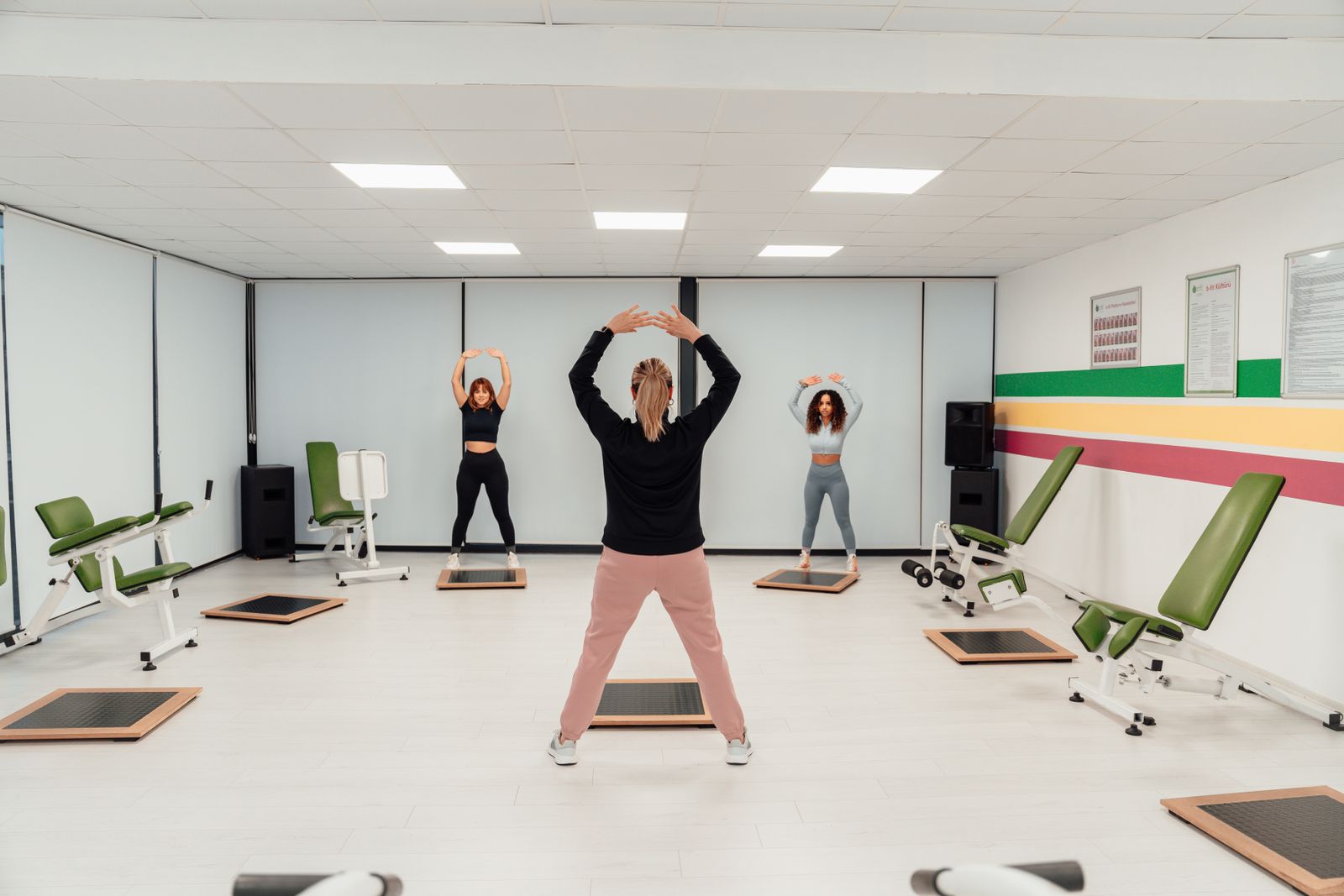
Who gets the most from a women’s online batch?
Women with tight schedules, privacy concerns or low confidence in mixed settings benefit most: homemakers, working professionals, women from conservative households and those returning to exercise after a long break. New mothers and pregnant women need a doctor’s clearance first, as the list below explains. These are patterns, not rules.
- Homemakers: a fixed 45-minute slot after the morning rush gives you an hour that is yours, with no travel time.
- Working women: an early-morning or post-dinner batch fits around office hours and avoids a long commute to a studio.
- Women from conservative households: a women-only class, with the option to keep your camera off, can make permission and comfort easier to find.
- Women in their 40s and beyond: low-impact versions of each step (no jumping, smaller steps) protect knees and keep the session sustainable.
- New mothers: only start after your doctor clears you for exercise, which is usually several weeks after delivery and longer after a C-section.
- Women who are pregnant: do not simply join a regular class. Speak to your doctor first, and see our guide to prenatal yoga classes online for a gentler option.
Be honest with yourself about health conditions. If you have heart trouble, high blood pressure, joint pain, recent surgery or a long gap since you last exercised, speak to your doctor before starting. Stop and rest if you feel dizzy, short of breath beyond a comfortable level, or any sharp pain. Pushing through those signals is never worth it.
Setting up at home: common problems and quick fixes
Most dropouts happen in the first fortnight, and the reason is rarely fitness. It is usually small practical friction. These fixes solve the most common ones.
- Not enough space: you need roughly 2 m by 2 m, about 6 ft by 6 ft. Move the centre table aside, or use a bedroom with the door closed.
- Slippery tile floors: wear supportive sports shoes, not socks or bare feet, and put a yoga mat under the main dance area if the floor is glossy.
- Family interruptions: tell everyone your class timing once, and treat the slot like an appointment. Earphones help if the music disturbs others.
- Small screen, lost steps: cast the class to a TV or prop your laptop at eye level, about 2 m away, so you can see the instructor’s feet.
- Weak connection: close other tabs and move closer to the router. A frozen screen mid-song is the quickest way to lose motivation.
- Feeling self-conscious: start with the camera off, stay at the back of the frame and give yourself three sessions before judging how it feels.
- Sore calves and shins: usually from new impact. Reduce the jumping, warm up fully and stretch afterwards.
How do you pick the right online Zumba instructor?
Choose an instructor with a recognised licence, clear level labels, a small enough batch for them to see you, and a trial class. Credentials do not guarantee a good teacher, but they show training in both choreography and safe movement, which matters when you are exercising without anyone physically beside you.
Before booking any class, ask these questions:
- Is the batch women-only, and is it open to beginners?
- Do I need to keep my camera on, and does the instructor give corrections?
- How large is the group?
- Can I try one session first?
- Are low-impact versions demonstrated during class?
At Fitstrot, our lead Zumba trainer is Yash Pathak, who is ZIN Licensed, ACE Certified and Strong Nation Certified. Classes are held online, so you can join from any city in India. You can see the current formats on our online Zumba classes page, and our blog guides to online Zumba classes and online Zumba classes in India explain how to compare providers.
A simple four-week starter plan
Do not begin at full intensity. Your heart and lungs adapt quickly, but joints, tendons and calf muscles take longer, so the early weeks should feel manageable. This plan builds up gradually. Adjust it if life gets in the way, and repeat a week when you need to.
| Week | Sessions | Minutes each | Focus |
|---|---|---|---|
| 1 | 2 | 30 | Learn the basic steps at low impact; effort around 4 out of 10 |
| 2 | 3 | 30-40 | Follow the beat; add arm movement; effort around 5 |
| 3 | 3 | 45 | Full class with the toning song; bigger movements; effort 5-7 |
| 4 | 3-4 | 45 | Add one extra session or a stretch day; try one high-energy song at full effort |
On non-dance days, a short walk or a gentle online yoga class helps recovery. If you want to build more structure around strength and nutrition, an online weight loss trainer can help you plan the rest of the week.
Frequently asked questions
Are zumba classes for ladies online suitable for complete beginners?
Yes. Beginner batches repeat a small set of steps, such as the march, grapevine and step-touch, and the instructor demonstrates low-impact options. Start with two sessions of about 30 minutes in your first week, then build up. You do not need dance experience or flexibility.
Do I need any equipment for online Zumba?
No special equipment. You need a device with a screen, a stable internet connection, about 2 m by 2 m of clear floor, a bottle of water and supportive sports shoes. A yoga mat is optional but helps on slippery tile floors.
How many times a week should women do Zumba?
Three sessions a week of about 45 minutes is a good target for most beginners, with at least one rest or light day between sessions. Four sessions suit those with some fitness already. More is not always better, since recovery is when your body adapts.
Can I join if I am uncomfortable being on camera?
Often yes, but policies differ between instructors. Many live classes allow you to keep your camera off, and recorded classes involve no camera at all. Ask before booking, so you know what is expected and can choose a batch that suits you.
Is a ladies-only Zumba class the same workout as a mixed class?
Yes. The music, choreography and intensity are the same. The only difference is who attends. A ladies batch can feel more comfortable for women who prefer it, while mixed batches are equally effective and open to all.
Next step: book a trial session on our online Zumba classes page and ask about a beginner-friendly batch for your first week.


