

Zumbini for toddlers is a music-and-movement program for children from birth to about four years, taught with a parent or caregiver right beside them. It is closer to structured play than to a workout: songs, scarves, shakers and simple actions, repeated until they feel familiar. This guide covers the ages, how Zumbini classes run, what bonding and motor-skill gains are realistic, and what to check before you sign up. One honest note first: Fitstrot’s classes are online, so this is an explainer, not a booking page.
What is Zumbini, and how is it different from a toddler dance class?
Zumbini is a licensed early-childhood program from the Zumba family. It uses songs, dance, simple instruments and storytelling for children from birth to about four years, and a parent or caregiver takes part throughout. Unlike a typical toddler dance class, the aim is shared play and early development, not teaching steps or burning calories.
Think of it as a “parent and me class” built around music. You are not watching from a bench while your child performs. You sing, bounce, clap and sit on the floor together. Parents also search for “Zumbini for babies”, and that describes the youngest end of the program: a newborn does not dance, but can be held, rocked and sung to in rhythm.
A separate school format exists for roughly two to five year olds in a daycare or preschool group, without a parent present. Everything below covers the parent-and-child version, which is what most families mean by Zumbini classes.
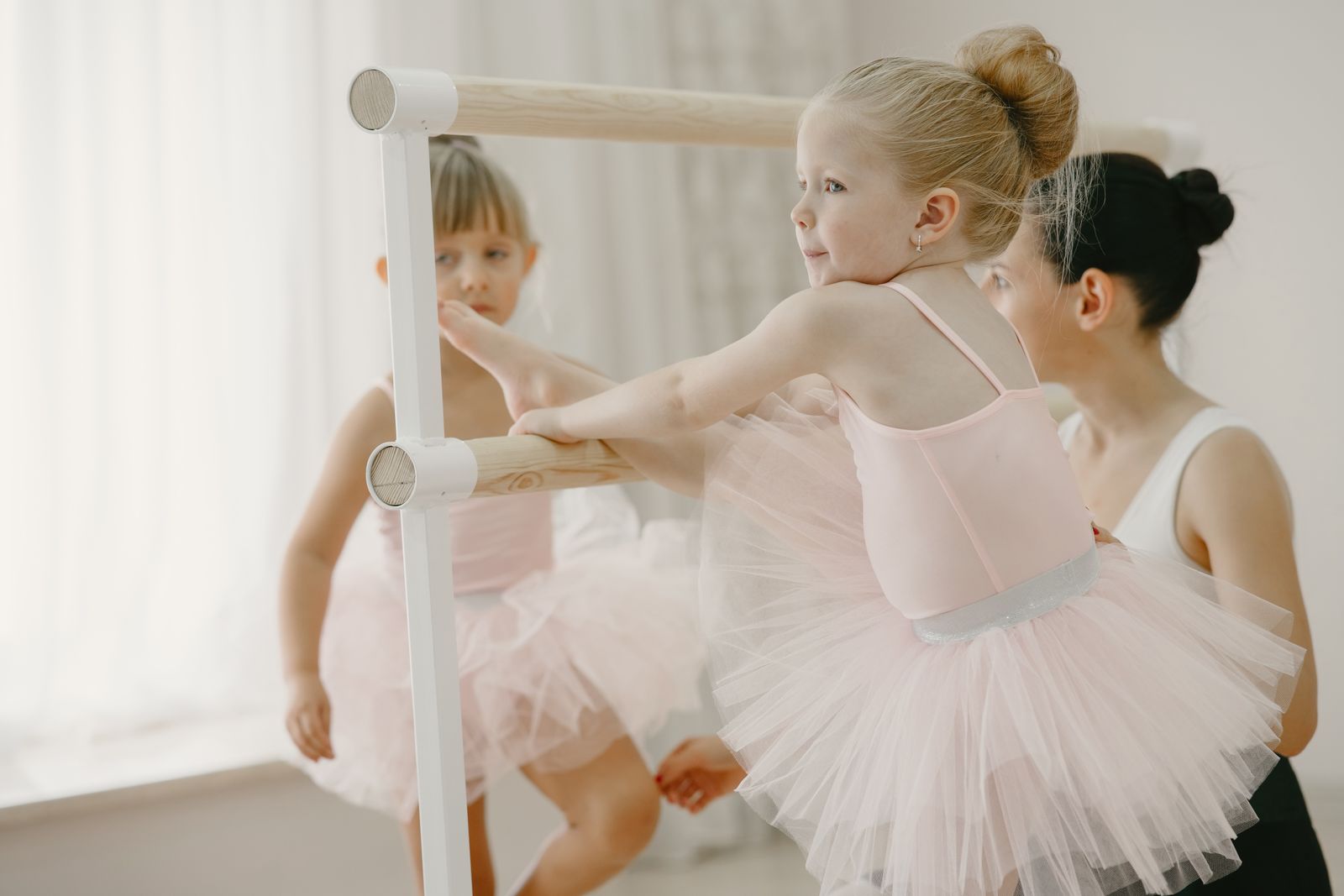
Which ages does Zumbini cover?
Zumbini is designed for children from birth to around four years, always with a parent or caregiver. The experience changes a lot with age: babies are held and rocked, one-year-olds explore and copy, and two to four year olds can follow simple actions and take turns. The same song feels different at nine months and at three years.
| Age band | What your child does | Your role | Realistic expectation |
|---|---|---|---|
| Babies, 0 to about 12 months | Watches, listens, is held and rocked, grabs a scarf | Carry, sing, make eye contact | Calm attention and turning toward sounds. No “dancing” expected. |
| Early toddlers, about 1 to 2 years | Bounces, sways, explores shakers, wanders, copies a clap now and then | Follow your child, repeat the action, stay close | Short bursts of joining in, then off to explore. That is normal. |
| Older toddlers, about 2 to 3 years | Copies actions, stops and starts with the music, begins taking turns | Mirror actions, give simple cues | Follows some actions and may sit out others. |
| Preschoolers, about 3 to 4 years | Remembers songs, follows two-step actions, plays alongside other children | Join in, then step back a little | More independent. Near the top of the age range, some children start to want more challenge. |
That last point is where Zumba for kids comes in, and teenagers have their own options in our guide to Zumba for teens.
How does a Zumbini class run, step by step?
Classes usually run roughly 30 to 45 minutes and follow a predictable pattern: a hello song, short action songs, play with props such as scarves and shakers, a story or quiet moment, and a goodbye song. The repetition is deliberate, because toddlers learn by hearing and doing the same thing many times.
| Stage | What happens | What your toddler is practising |
|---|---|---|
| 1. Hello song | A greeting, often with names, a wave and a clap | Recognising the routine, settling in |
| 2. Action songs | Short songs with bouncing, swaying, stomping and clapping | Rhythm, imitation, whole-body coordination |
| 3. Prop play | Scarves, shakers, small instruments, sometimes picture cards | Grasping, hand-eye coordination, cause and effect |
| 4. Story or quiet time | Slower music, rocking, a story or gentle song | Calming down, listening, attention |
| 5. Goodbye song | The same ending every class | Handling transitions, predictability |
Order, props and timing differ by instructor and centre, so treat the table as a typical flow, not a fixed script. I have left out minute counts per stage because they vary.
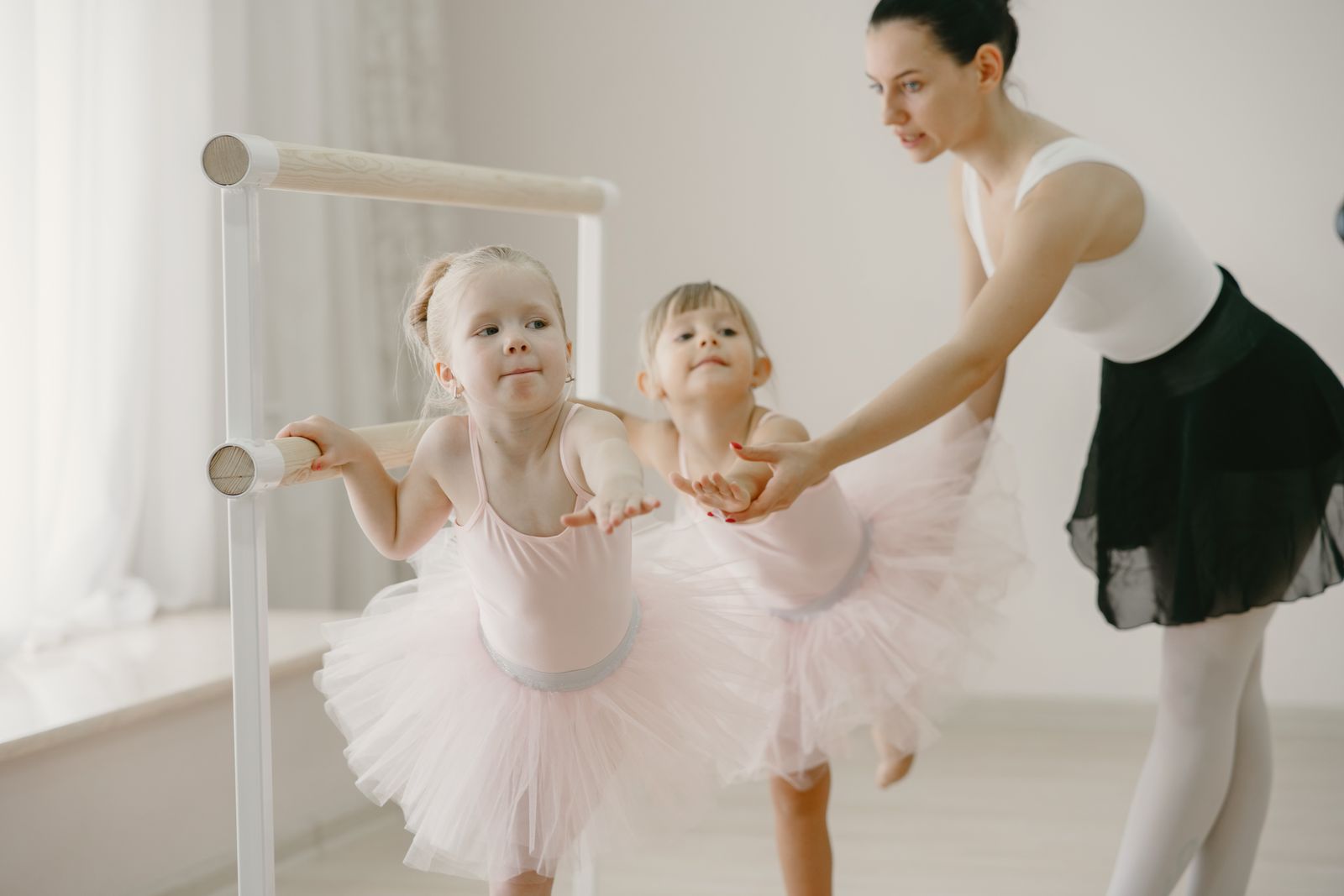
Is Zumbini a workout for toddlers?
No, not in the way adults mean a workout. Zumbini is built around bonding, music and early development, with movement as the tool. Toddlers get light activity from bouncing, swaying and walking around, but a class is not meant to tire them out or build fitness. Most of their daily activity should come from free play across the whole day.
For perspective, widely used global guidance suggests roughly three hours of physical activity spread across the day for one to four year olds, at any intensity, plus floor play and tummy time for babies. One class a week is a small slice of that. The rest is crawling, climbing the sofa and chasing a ball.
A few myths are worth correcting before you book:
- “It will make my child walk or talk sooner.” Children reach milestones on their own timelines. Music play gives practice and exposure, not a speed-up.
- “My child must copy the instructor.” Watching, wandering and sitting in your lap all count at this age.
- “Parents need rhythm.” You do not. A toddler cares that you are singing and smiling, not whether you are on the beat.
How does Zumbini compare with Zumba Kids and music play at home?
Zumbini vs Zumba Kids comes down to three things: age, caregiver involvement and goal. Zumbini suits birth to about four years with a parent beside the child and a focus on bonding. Zumba Kids suits school-age children taking part independently. Free music play at home fills the gaps between and around both.
| Feature | Zumbini | Zumba Kids | Music play at home |
|---|---|---|---|
| Typical age | Birth to about 4 years | School-age children | Any age |
| Caregiver role | Beside your child throughout | Usually not required | You lead and follow |
| Main goal | Bonding and early development | Fun fitness and coordination | Whatever suits your child that day |
| Structure | Instructor-led, repeated songs and props | Choreographed routines | None, child-led |
| Cost | Varies by centre and city, so ask | Varies | Free: a phone speaker and a dupatta |
What can Zumbini realistically do for bonding and motor skills?
Shared singing, eye contact and movement give you regular, undistracted time with your child, which supports bonding. Toddlers also practise balance, clapping, stomping and grasping props, all useful motor skills. Treat these as supportive practice, not a guarantee: children develop at different speeds, and one class a week cannot change a milestone.
- Bonding with your toddler: Phones away, on the floor, sharing songs and smiles. The value is the undivided attention as much as the music.
- Toddler motor skills: Bouncing, marching and stopping when the music stops practise balance and body control. Holding a scarf or shaking a shaker works the hands and fingers.
- Listening and early language: Rhymes and action songs expose your child to words and rhythm in a playful way.
- Social skills: From around two years, waiting for a turn and sharing space gets easier with practice.
What it does not do: diagnose, treat or correct a developmental delay. If you are worried about your child’s development, a paediatrician is the answer, not a class.
What if my toddler cries, clings or wanders off?
Almost every toddler does at least one of these in the first few sessions, and it does not mean the class is failing. Crying, clinging, refusing and wandering are normal toddler responses to a new room full of noise, and each has a simple fix.
- Cries at the start: Arrive a few minutes early, sit at the edge, hold your child and let them watch. Joining in can wait.
- Clings or refuses every action: Stop asking. Do the actions yourself, happily, with your child on your lap. Imitation often appears a few weeks later.
- Wanders around the room: Follow them and do the song wherever they end up, within arm’s reach.
- Melts down midway: Step out for a few minutes. Overstimulation, hunger or sleepiness is usually the cause, not the class.
Timing matters. A tired or hungry toddler will not enjoy any class, so book a slot after the nap, an hour or so after a meal, and carry water. If you are weighing milk-based drinks for a picky eater, our guide to the best nutritional drink for toddlers explains what to look at, and your paediatrician should have the final word.
Tips for working parents, grandparents and families with two children
The caregiver does not have to be a parent. A grandparent, a nanny or a father who misses weekday sessions can attend, as long as the same person comes regularly so the child learns the routine. If both parents work, a weekend slot is often easier to keep consistent.
Some practical points for Indian homes and cities:
- Clothing: Light cotton for both of you, with bare feet or grip socks.
- Heat and monsoon: Pick an air-conditioned or well-ventilated space and carry plain water.
- Fees and policies: Prices differ by city and centre, so none are quoted here. Ask about a trial class, batch size and whether props are cleaned between sessions.
- Instructor: Ask whether the instructor is trained specifically for Zumbini. Zumbini is a separate program, and a general Zumba qualification is not the same thing.
Safety checks and when to see a doctor
Most toddlers can take part safely, but a few precautions make a real difference.
- Small parts: Anything small enough to fit in the mouth is a choking risk for under-threes. Stay close during prop play.
- Floor and volume: A clean, non-slip floor, and music low enough that you do not need to raise your voice.
- Illness: If your child has a fever, cough, loose motions or a rash, skip the class.
- Your own health: If you are recovering from childbirth, a C-section or a back problem, check with your doctor before bouncing and lifting a baby for 30 to 45 minutes.
See your paediatrician if you are concerned about your child’s development. Examples worth raising are a child who does not respond to sounds or voices, is not walking by around 18 months, is not using any words by their second birthday, or loses a skill they once had. Do not wait to see whether a music class helps first.
Can you do Zumbini-style play at home or online?
Yes, you can copy the idea at home with songs, a dupatta and ten to fifteen minutes of floor play, but that is not the licensed Zumbini program. Fitstrot’s classes are online and are not Zumbini. Keep toddler screen time minimal: the common guidance is none before age two, then no more than an hour a day.
A simple home routine that borrows the structure:
- Start with the same hello song every day, using your child’s name.
- March, clap and sway to two or three short songs. Repeat each one.
- Play peekaboo with a dupatta, or tap a steel plate with a wooden spoon.
- Slow down: rock, sing softly or read a short book.
- Finish with the same goodbye song each time.
Your own movement matters too. While your toddler naps or plays, you could try Fitstrot’s online Zumba classes, led by lead Zumba trainer Yash Pathak, who is ZIN Licensed, ACE Certified and Strong Nation Certified. Those credentials relate to Zumba and Strong Nation, not Zumbini. If you prefer something quieter, our online yoga classes are a calmer way to manage your own stress.
Frequently asked questions about Zumbini for toddlers
What is the best age to start Zumbini?
There is no single best age, because the program is designed for children from birth to about four years. Many families start between roughly six months and two years, when a child can sit, watch and begin copying.
Do I have to be a good dancer to join Zumbini with my toddler?
No. The actions are simple, such as clapping, swaying, bouncing and marching, and the instructor shows each one. Your toddler cares about your attention and smile far more than your timing.
Is Zumbini the same as Zumba for kids?
No. Zumbini is for much younger children, with a caregiver present throughout, and it prioritises bonding and early development. Zumba Kids targets school-age children who take part independently in age-adapted fitness routines. Our guide to Zumba for kids covers that next stage.
Can a newborn or baby attend Zumbini?
The age range starts from birth, so babies can attend with a parent or caregiver, who carries and rocks them to the music. A young baby will mostly watch and listen. If your baby is very young, or you are recovering from delivery, check with your paediatrician and your own doctor before starting.
Does Fitstrot teach Zumbini online?
No. Fitstrot runs online Zumba and yoga classes, and this guide explains Zumbini but does not offer it. Zumbini is usually taught as a live parent-and-child class, so search for a trained local instructor and ask for a trial session. You can also take Fitstrot’s online sessions yourself.
Want to move your own body while your toddler plays nearby? Try a session of Fitstrot’s online Zumba classes.


