

Yoga to reduce face fat is popular, but the honest version is less dramatic than most reels suggest. No exercise burns fat from one chosen spot, so cheek puffs and jaw moves cannot melt the face on their own. What yoga can do is tone facial muscles, improve posture, calm stress and support the overall fat loss that slims the face over time.

This guide separates what may help from what is marketing: the real levers behind a fuller-looking face, the exercises worth trying with their cautions, a weekly yoga plan, and signs that mean you should see a doctor instead of a mat.
Can yoga actually reduce face fat?
Not directly. Your body draws stored fat from places set by genetics and hormones, not from the muscle you are working. Yoga can help the face look slimmer indirectly through overall fat loss, less water retention, better posture and firmer facial muscles. Visible change usually takes 8 to 12 weeks of consistent effort.
Think of the face as responding to the whole body. When total body fat drops by a few kilograms, the cheeks, jawline and neck often look leaner too, though where you lose first varies from person to person. Facial exercises are a small supporting act, not the main event.
If you want a weight-loss-first approach, start with our guide to yoga for weight loss and come back here for the face-specific pieces.
What may help a fuller-looking face, and how much?
Five things matter most: overall fat loss, less water retention from salt and alcohol, good sleep, lower stress and facial muscle tone. Yoga touches all five. The table shows what each lever does and how realistic its effect is.
| Lever | How it changes the face | How big is the effect | Typical timeframe |
|---|---|---|---|
| Overall fat loss (0.25-0.75 kg a week) | Reduces fat in cheeks, jaw and neck along with the rest of the body | Largest, but order of loss is individual | 8-12 weeks or more |
| Less salt and alcohol | Cuts water retention and morning puffiness | Moderate, can be quick | Days |
| 7-8 hours of sleep | Less puffiness, better skin look, steadier appetite | Moderate | Days to weeks |
| Stress management | Supports sleep and eating habits that affect weight and fluid balance | Small to moderate | Weeks |
| Posture work | Lifts the head and neck line, which can soften the look of the jaw and chin | Small, but visible in photos | 2-6 weeks |
| Facial muscle exercises | May firm and shape the area under the skin | Small, evidence is limited | 4-8 weeks |
Fat loss pace matters here. Roughly a quarter to three-quarters of a kilogram a week is a safe, sustainable rate for most adults. Crash diets can leave the face looking drawn and tired without improving your health.
Which face yoga exercises are worth trying, and what are the cautions?
Choose gentle moves, repeat each 5 to 10 times and keep the pressure light. Practise in front of a mirror, with clean hands, for 10 minutes a day. Stop any exercise that causes jaw clicking, pain or headaches, and never drag or stretch the skin.
Evidence for facial exercise is limited and mostly small, so treat these as a tone-and-awareness routine, not a fat-burning method.
| Exercise | How to do it | Reps or hold | Caution |
|---|---|---|---|
| Cheek puff and shift | Fill cheeks with air, move it left to right | 5 holds of 5 seconds | Do not force; stop if ears or jaw feel strained |
| Fish face | Draw cheeks in, try to smile | 5 holds of 10 seconds | Relax your neck and shoulders while you do it |
| Cheek lifter | Form an O with the lips, smile upward | 8 reps, 5-10 second holds | Keep the eyes soft, no squinting |
| Gentle jaw release | Open slowly, move the jaw side to side in small circles | 10 slow circles each way | Skip it if you have jaw pain, clicking or TMJ problems |
| Chin lift | Tilt the head back slightly, press the lower lip upward | 8 reps, 5 seconds each | Move gently; avoid it if you have neck pain or dizziness |
| Forehead smoother | Rest fingertips on the brow, lift eyebrows lightly against them | 8 reps | Use very light pressure, no skin pulling |
A simple way to practise: wash your hands, sit tall in front of a mirror, pick four exercises from the table and finish with a minute of slow pranayama-style breathing to release the jaw. Keep the rest of your face relaxed while one area works, and stop before the muscles burn. The sections below show how to fold this into a full week.
Which whole-body yoga helps most?
Yoga that raises your heart rate and uses larger muscles contributes more to fat loss than gentle styles, but all styles help posture and stress. Aim for 3 to 4 active sessions a week and 1 or 2 calm sessions. Add daily walking, because steps and strength work matter as much as the mat.
Active styles such as Vinyasa yoga and Ashtanga yoga keep you moving, while Hatha yoga suits slower, form-focused practice. If you are unsure which suits you, our overview of types of yoga compares them. Here is a week to copy:
| Day | Main session | Face and posture add-on |
|---|---|---|
| Monday | 40-minute Vinyasa flow | 5-minute face yoga after |
| Tuesday | 30-minute brisk walk | Neck and shoulder rolls, 2 minutes |
| Wednesday | 40-minute Hatha session | 5-minute face yoga after |
| Thursday | 30-minute walk or strength work | Chin tucks against a wall, 10 reps |
| Friday | 40-minute Ashtanga-style or power session | 5-minute face yoga after |
| Saturday | Long walk, 45 minutes | Optional face yoga |
| Sunday | 20-minute restorative session | 5 minutes of slow breathing |
Related goals share the same logic. Our posts on yoga for belly fat and yoga to reduce thigh fat show how the same weekly structure applies when the target is the waist or legs.
Is face fat really puffiness? How to tell the difference
Often it is partly both. Puffiness comes and goes, is worse in the morning, and changes with salt, alcohol, sleep and hydration. Fat is steadier and changes slowly with body weight. If your face looks fuller in the morning and slimmer by evening, water retention is likely playing a part.
Simple checks for puffiness:
- Your face looks different between morning and evening.
- It looks fuller after a salty meal such as pickles, papad, chips or restaurant biryani, or after a late night.
- Rings or shoes also feel slightly tighter on those days.
To reduce puffiness, drink water through the day, cut back on very salty snacks and alcohol, sleep with your head slightly raised, and avoid lying down right after a heavy dinner. These changes can work within a few days, which is why people often credit yoga for a result that was really about salt and sleep.
What myths about yoga to reduce face fat should you ignore?
Ignore claims of a slim face in 7 days, cheek exercises that “burn” fat, and tricks that promise a jawline overnight. The face loses fat only as the whole body does. Facial exercises tone muscle, and results are modest and vary person to person.
- “Puffing your cheeks melts cheek fat.” It exercises the muscle, not the fat sitting over it.
- “More reps means faster results.” Overworking small muscles causes soreness and jaw tension, not extra slimming.
- “Face yoga replaces diet.” Without a modest calorie deficit, overall fat loss will not happen.
- “Pulling the skin firms it.” Dragging delicate skin can irritate it. Use light, controlled movement instead.
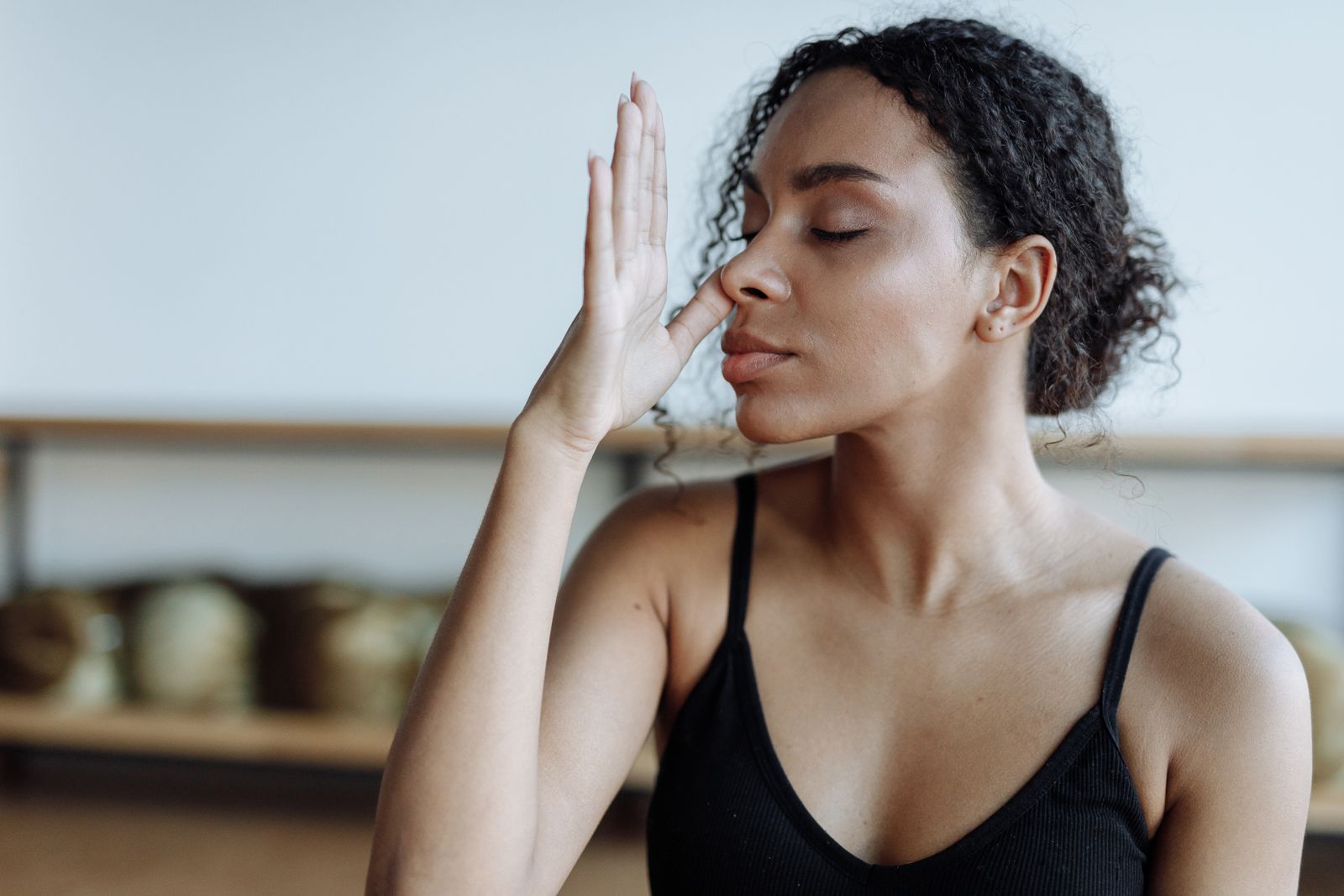
How do breathing, stress and posture fit in?
Slow breathing and calm sessions will not burn much fat, but they help you sleep better and snack less under stress, both of which affect weight and puffiness. Better posture also changes how the jaw and neck look in photos. Keep breathing gentle, never forced.
Try five minutes of slow breathing before bed, or a short yoga nidra session on a stressful day, and add a weekly restorative yoga class for recovery. If you have high blood pressure, a heart or lung condition, or are pregnant, ask your doctor before starting breathing practices that involve holding the breath.
For posture, stand with your ears over your shoulders. If you spend hours looking down at a phone or laptop, set a reminder every 45 minutes to lift the screen, pull your chin back and roll your shoulders. That small habit often changes the neck line more than any facial exercise.
Why is nothing changing? Troubleshooting guide
If your face looks the same after six to eight weeks, check consistency, calorie intake, sodium and sleep before adding more exercises. Most stalls come from expecting spot reduction or from skipping the whole-body part of the plan.
- You practise face yoga only, with no calorie control: pair it with a modest deficit and 7,000 to 10,000 steps a day.
- You practise occasionally: 10 minutes daily beats one long session a week.
- Your face looks puffy every morning: review late-night salty snacks, alcohol and hydration.
- Your weight is steady but the face looks full: genetics decide a lot about where fat sits, and some people carry it in the face even at a healthy weight.
- You want the opposite effect: if you are trying to look fuller and healthier, our yoga for weight gain post covers that goal.
When should you see a doctor instead?
See a doctor if your face swells suddenly or stays puffy for weeks, especially with weight changes, tiredness, swollen legs, a rounded face with easy bruising, or skin and hair changes. Thyroid, kidney, hormonal and medication causes need medical evaluation, and yoga cannot treat them.
Also check with a doctor or dentist before facial exercises if you have jaw pain, TMJ problems, recent dental work, fillers or facial surgery. If you have a medical condition, a registered dietitian can help you plan weight loss safely.
FAQs
Can yoga reduce a double chin?
Chin and neck exercises may tone the muscles under the jaw, and better posture can improve how the area looks. A double chin is usually partly fat, so overall fat loss has the bigger effect. Expect gradual, modest change over 8 to 12 weeks.
How long does it take for yoga to reduce face fat?
Puffiness can ease within days if you cut salt and sleep better. Muscle tone may feel firmer in 4 to 8 weeks, while real fat loss in the face follows overall weight loss and often takes 8 to 12 weeks or longer.
Is face yoga safe to do every day?
For most healthy people, 10 minutes a day with gentle pressure is fine. Stop if you notice jaw clicking, pain, headaches or skin irritation, and skip it if you have TMJ problems until you have checked with a doctor or dentist.
Does face yoga work without losing weight?
It may firm the muscles and improve how you hold your head, but it will not remove face fat by itself. If your goal is a slimmer face, combine it with regular activity and a modest calorie deficit.
Which yoga style is best for a slimmer face?
Active styles such as Vinyasa or Ashtanga support overall fat loss, while Hatha and restorative sessions help posture and stress. A mix of three or four active sessions and one or two calm ones works for most people.
If you would rather follow a guided plan than piece it together, join a live session through Fitstrot’s online yoga classes and build a routine around your fat-loss goal.


