
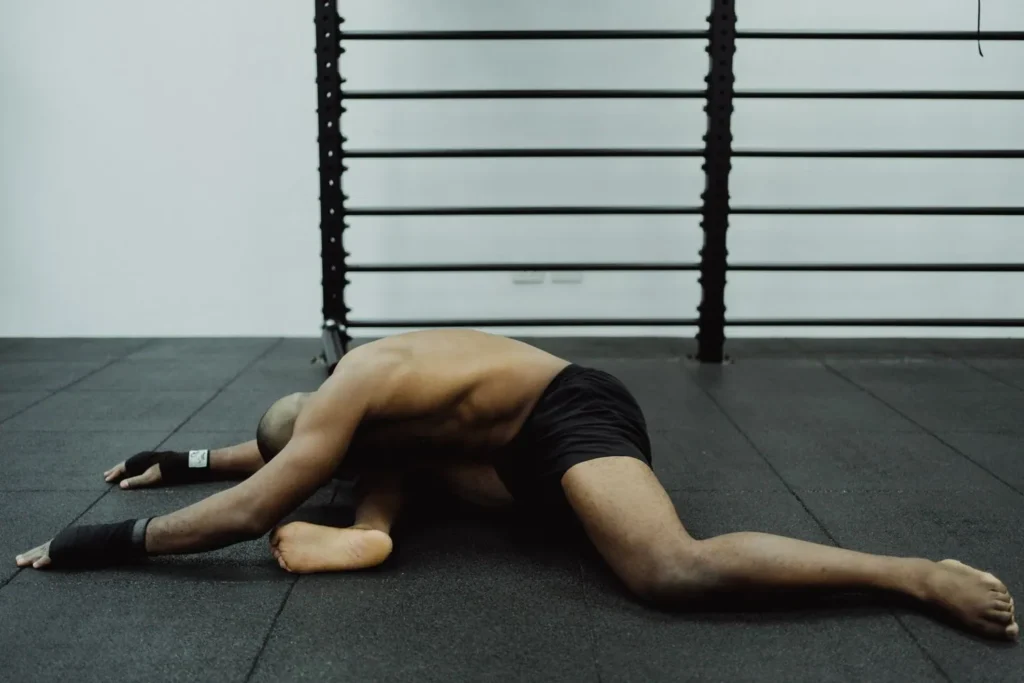
The post workout meaning is simple: it is the stretch of time right after you finish training, plus the recovery work your body does during it. Most people use the term for the first 30 to 60 minutes after your last set, run or dance track, although repair carries on for a day or two. It is a time marker, not a product, a powder or a rule that says you must drink a shake. This guide explains what the term covers, what changes inside your body, and exactly what to do in that first hour. For the food side we point you to our guide on after workout food instead of repeating it here.
What does post workout mean?
Post workout means the period after you finish exercising, usually the first 30 to 60 minutes, when your heart rate settles, you rehydrate and you start refuelling. It also covers the recovery that continues for the next 24 to 48 hours, including meals, water and sleep. It describes a time window and a set of habits, not a supplement.
It helps to think of three layers. The first is the moment: the first 10 minutes, when your breathing slows and your body temperature drops. The second is the window: roughly the first hour, when what you do (a cool down, water, a first bite of food) sets the tone for recovery. The third is the day: the meals, hydration and sleep that follow, where most of the actual repair happens.
If you searched for the post workout meaning in Hindi or another Indian language, the answer does not change. It is simply the workout ke baad ka time: the time after you train and what you do in it.
Post workout, cool down, recovery and pre workout: how do the terms differ?
A cool down is the 5 to 10 minutes of easy movement straight after training. Post workout is the wider first hour, including that cool down, fluids and food. Recovery is the full 24 to 72 hours of repair. Pre workout is the time before training, or, informally, a caffeine-based supplement taken before it.
| Term | What it refers to | Typical timing | Example |
|---|---|---|---|
| Pre workout | Fuelling before training, or a supplement taken before it | 30 to 90 minutes before | A banana and water, or a pre-workout drink |
| Warm-up | Preparing joints and muscles for effort | 5 to 10 minutes before | Arm circles, light skipping, bodyweight squats |
| Cool down | Letting your heart rate and breathing come down gradually | 5 to 10 minutes right after | Easy walking, gentle stretches |
| Post workout | The first hour after training: cool down, fluids, first food | 0 to 60 minutes after | Water, a light stretch, a protein-plus-carb meal |
| Recovery | The full repair process over the following days | 24 to 72 hours | Regular meals, 7 to 9 hours of sleep, rest days |
One more source of confusion: “pre workout” often means the supplement, while “post workout” almost never does. You can have an excellent post workout routine without buying anything. If you are curious about the pre side, we cover timing in our pre-workout meal guide and the powders in pre-workout supplements.
What happens in your body after a workout?
After training, your heart rate and body temperature fall over about 10 to 30 minutes, stored carbohydrate (glycogen) is partly used up, and muscle fibres carry small amounts of damage. Muscle repair and glycogen refilling then run for roughly 24 to 48 hours, provided you supply protein, carbohydrate, fluid and sleep.
| Time after finishing | What your body is doing | What helps |
|---|---|---|
| 0 to 10 minutes | Heart rate and breathing drop; blood is still flowing to working muscles | Keep moving gently; do not sit straight down or go into a cold room |
| 10 to 60 minutes | Sweat loss shows up as thirst or a dry mouth; muscles take up carbohydrate readily | Water, a pinch of salt or coconut water if you sweated a lot, then a first bite of food |
| 1 to 3 hours | Muscle repair speeds up once amino acids arrive; glycogen refills | A proper meal with protein and carbohydrate |
| 3 to 24 hours | Repair continues; hormones that rose during hard training settle | Regular meals, enough water, a full night of sleep |
| 24 to 72 hours | Soreness (DOMS) often peaks around day one to two, then fades | Light walking, mobility work, easier sessions for sore areas |
Repair is a slow, whole-day process, so no single shake makes or breaks a session. Mild soreness is normal; sharp joint pain or pain that keeps getting worse is not.
Your first hour after training, step by step
This works in any gym, at home or after an online class, and needs no equipment.
- Minutes 0 to 5: keep moving. Walk slowly around the room or on the spot. Stopping dead after hard intervals can leave you light-headed, because blood pools in your legs while your heart is still beating fast.
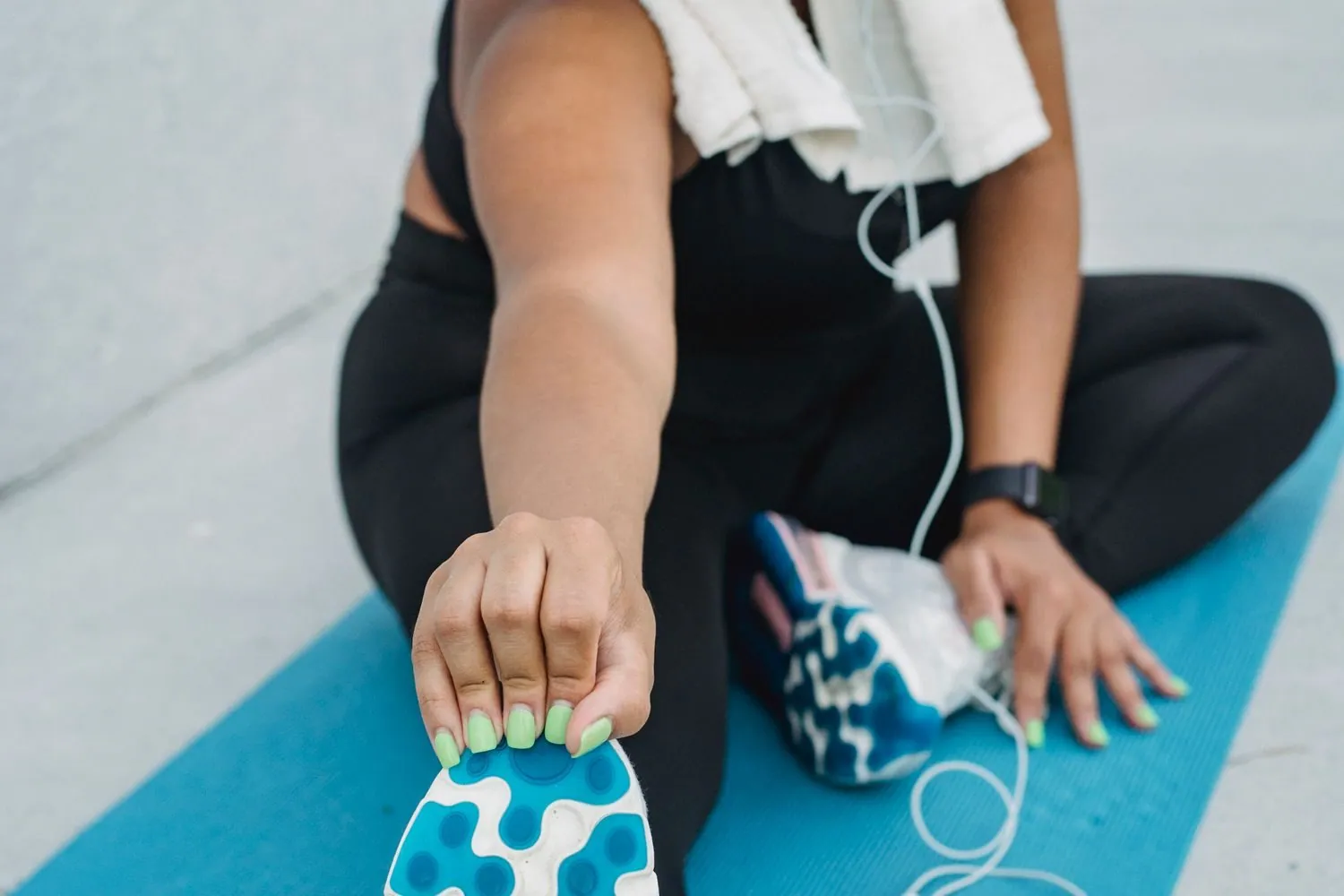
- Minutes 5 to 10: stretch what you used. Hold each stretch for about 20 to 30 seconds, easy and without bouncing. Choose the muscles you just trained: hamstrings and quads after legs, chest and shoulders after pressing.
- Minutes 10 to 20: drink. Sip about 300 to 500 ml of water rather than gulping a litre. After a very sweaty session, add a pinch of salt, lemon or coconut water.
- Minutes 20 to 40: change out of damp clothes. Shower and let your body temperature settle; appetite often returns during this gap.
- Minutes 40 to 60: eat something. If your next meal is within about two hours, simply make it a good one. If it is further away, have a small snack with protein and carbohydrate first. What to put on the plate is covered properly in our after workout food guide.
- The rest of the day: normal life, good sleep. Keep drinking water, spread protein across your meals, and aim for 7 to 9 hours of sleep that night.
How should the first hour change with the type of workout?
A heavy strength session, a Zumba class and a gentle yoga flow each leave you in a different state. As a rule, the harder and sweatier the session, the more attention fluids and food need. After a light 20 to 30 minute walk or easy yoga, water and your next regular meal are usually enough.
| Workout type | Cool down | Fluids | First food |
|---|---|---|---|
| Strength training | 5 minutes easy walking, stretch worked muscles | Water; salt if very sweaty | Meal with about 20 to 30 g protein within 1 to 2 hours |
| Zumba or dance cardio | Slow tracks, 5 to 10 minutes of stretching | Water, plus coconut water or ORS-style drink after a long, sweaty class | Carbohydrate plus protein, such as poha with curd or a roti-dal meal |
| Yoga (gentle to moderate) | Savasana, a few minutes of slow breathing | Water in small sips | Your next regular meal; a light snack if hungry |
| Running or cycling (45 minutes or more) | 5 to 10 minutes walking | Water with salt, more in summer heat | Carbohydrate-led snack soon, then a full meal |
| Short HIIT (20 to 30 minutes) | Walk until breathing is steady | Water | A normal meal; no special snack needed |
If you dance, our guide to pre and post workout nutrition for Zumba goes deeper, and you can try the format yourself in our online Zumba classes. If you prefer a slower pace, the recovery side of online yoga classes pairs well with harder training days.
Post workout myths worth dropping
“The anabolic window shuts after 30 minutes.” Not in the way gym lore suggests. Your muscles stay receptive to protein and carbohydrate for several hours after training, so eating within roughly two hours is a sensible target. The 30-minute rule matters more if you trained fasted, or if you train twice in one day.
“You need a protein shake straight away.” A shake is just convenient. Eggs, paneer, curd, dal, chicken or fish do the same job, and a regular meal brings fibre and micronutrients that a powder does not.
“Skipping food after training burns more fat.” Fat loss depends on your overall calories across days and weeks, not on starving for hours after a session. Going very low on food after hard training tends to leave you tired, hungry and more likely to overeat later. If you are cutting weight, keep the post workout meal modest and balanced rather than skipping it.
Dizzy, nauseous, cramping or not hungry after training?
Most post workout problems come from stopping too suddenly, not drinking enough, training on an empty stomach, or sweating out salt. Fixes are usually simple: keep moving for a few minutes, sip fluids with a pinch of salt, and eat something light and familiar. Persistent or severe symptoms are a reason to stop and get checked.
- Dizzy or light-headed: Walk slowly for five minutes, then sit with your feet up and sip water.
- Nauseous or no appetite: Intense effort can switch off hunger for a while. Take liquids first, such as buttermilk, coconut water or a banana smoothie, then solid food 30 to 45 minutes later.
- Muscle cramps: Often linked to heavy sweating and low salt. Stretch gently, drink water with a pinch of salt, and ease the next session.
- Very sore for several days: You probably did too much, too soon. Drop the load by about 20 to 30 percent next time and build up gradually.
See your doctor if you get chest pain or pressure, fainting, an irregular heartbeat, severe breathlessness, dark urine that persists, or pain that is sharp or worsening. The same goes if you have diabetes, heart disease, kidney problems or are on regular medication, since exercise and eating windows may need to be adjusted for you. A registered dietitian can tailor your post workout meals safely. This article is general information, not medical advice.
Early morning, evening or fasted: what changes?
If you train before breakfast, the post workout meal becomes your first food of the day, so eat it within about an hour. Evening trainers can fold recovery into dinner and should avoid a very heavy meal right before bed. In an Indian summer, pay extra attention to water and salt.
For a fasted morning session, a simple plan is: water and a stretch at 0 to 15 minutes, a shower, then breakfast with protein and carbohydrate, such as moong cheela with curd, two eggs with toast, or oats with milk and a fruit.
How often you recover matters as much as what you eat. If you are building a weekly schedule, our guides to a workout routine and a workout plan explain how to space hard days and easy days so that your post workout habits actually pay off. Results vary with training history, sleep, age and diet, and no routine can guarantee a specific outcome.
Get a recovery routine that fits your day
Knowing the post workout meaning is the easy part; building it into a real schedule is where most people slip. In a 1-on-1 personal training session, your coach sets your cool down, hydration and meal timing around your actual timetable. If your main question is what to eat, an online nutritionist consultation turns it into a simple Indian meal plan. Book one session this week and bring your current routine.
Frequently Asked Questions
What does post workout mean?
Post workout means the time after you finish training, mainly the first 30 to 60 minutes, together with the recovery that continues for 24 to 48 hours. It covers cooling down, drinking water, eating and sleeping. It is a time window, not a supplement or a product.
What does post workout mean in Hindi?
In Hindi it is understood as “workout ke baad ka samay”, the time after exercise. The idea is identical in every Indian language: what you do in the hour after training, such as cooling down, rehydrating and eating, to help your body recover.
What is the difference between pre workout and post workout?
Pre workout is the time before training, usually 30 to 90 minutes, when you fuel up and warm up. Post workout is the time after training, when you cool down, rehydrate, eat and recover. Pre workout can also mean a caffeine-based supplement, while post workout is not a supplement.
How long is the post workout window?
The most active part is roughly the first 30 to 60 minutes, but your muscles stay receptive to protein and carbohydrate for several hours. A practical target is to eat a balanced meal within about two hours, sooner if you trained fasted. Full recovery takes 24 to 72 hours.
What should I do right after a workout?
Keep moving gently for about 5 minutes, stretch the muscles you used for another 5, and sip water over the next 20 minutes. Then change out of sweaty clothes and eat a meal with protein and carbohydrate within about two hours. Sleep 7 to 9 hours that night.


