
A good cardio workout gym plan is not “30 minutes on whichever treadmill is free.” It is a weekly mix of easy, steady and hard sessions spread across the treadmill, bike, elliptical, rower and stair climber, with a clear target heart rate for each and a simple rule for adding more every week. That is what this page gives you: the intensity zones, the machines compared side by side, a 7-day template, a 4-week progression, and an honest answer on how cardio fits with weights and fat loss.
The plan suits a typical Indian gym, where treadmills are rationed to 20 minutes in the 6–9 pm rush. It assumes you can already walk briskly for 20 minutes. If you have a heart condition, high blood pressure that is not controlled, diabetes on insulin, or you get chest pain, dizziness or unusual breathlessness on exertion, speak to your doctor before starting any new cardio programme.
How much cardio should you do at the gym each week?
Most adults need 150–300 minutes of moderate cardio, or 75–150 minutes of vigorous cardio, every week, plus muscle-strengthening work on at least 2 days. That is the World Health Organization’s 2020 guideline. In a gym, that is four or five 35–45 minute sessions, one or two of them harder.
The numbers come from the WHO 2020 guidelines on physical activity and sedentary behaviour, which set the 150–300 minute moderate range (or 75–150 minutes vigorous) for all adults. The American College of Sports Medicine says much the same thing in its 2011 position stand on exercise prescription: at least 30 minutes of moderate cardio on 5 or more days (150 minutes a week), or at least 20 minutes of vigorous cardio on 3 or more days (75 minutes), with resistance training for every major muscle group on 2–3 days a week.
The WHO physical activity fact sheet estimates that 31% of the world’s adults, about 1.8 billion people, did not reach even the 150-minute minimum in 2022, up 5 percentage points since 2010. Starting from zero? Aim for 150 minutes in month one.
Two practical rules follow from the guidelines:
- One vigorous minute counts roughly as two moderate minutes.
- Weights do not replace cardio, and cardio does not replace weights. A good week has both.
LISS, Zone 2 and intervals: the three intensities in one table
Pick the zone first and the machine second. The heart-rate ranges use the formula recommended by Mayo Clinic’s guide to exercise intensity: estimated maximum heart rate = 208 − (0.7 × your age). Moderate intensity is 50–70% of that figure and vigorous intensity is 70–85%. For a 30-year-old, the estimated maximum is 187 beats per minute (bpm).

| Zone | % of max HR | Example HR, age 30 | Talk test | Session length | Best machines | Share of weekly minutes |
|---|---|---|---|---|---|---|
| LISS (low-intensity steady state) | 50–60% | 94–112 bpm | Full sentences, could hum a song | 30–60 min | Incline treadmill walk, recumbent bike, elliptical | 40–50% |
| Zone 2 / MISS (moderate steady state) | 60–70% | 112–131 bpm | Can talk but can’t sing | 25–45 min | Treadmill jog or brisk incline, upright bike, rower, elliptical | 30–40% |
| Intervals (vigorous) | 80–85% during work bouts | 150–159 bpm | A few words between breaths | 15–25 min including rests | Bike, rower, stair climber (easy to change pace safely) | 10–20% |
What is LISS cardio?
LISS cardio is steady, easy work you can keep up for 30–60 minutes without your form breaking down: an incline walk at 5–5.5 km/h, a relaxed spin on the bike, a long elliptical session. It is easy to recover from, so it fits the day after leg training, and it is where beginners should spend their first two weeks.
Zone 2 cardio, in gym terms
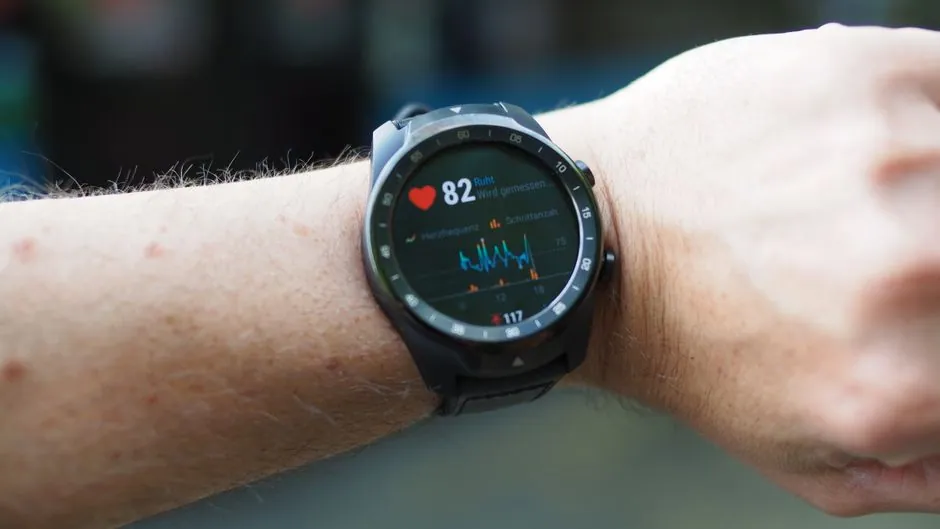
On a gym machine, Zone 2 cardio simply means the top end of moderate intensity: breathing clearly harder, still able to talk in short sentences. For most people it is a slow jog or a steep, fast walk. Zone numbering differs between watch brands, so go by the talk test and the 60–70% range rather than the number your tracker shows.
Intervals
Intervals alternate short hard efforts with easy recovery, such as 30 seconds hard and 90 seconds easy on the bike. This plan uses only one or two short interval sessions a week. For Tabata or EMOM formats, see our HIIT workout routine.
Gym cardio machines names, compared by calories, impact and form
Most Indian gyms have five kinds of cardio machine: treadmill, stationary bike (upright, recumbent or spin), elliptical cross-trainer, rowing machine and stair climber (stepper). Calorie figures come from Harvard Health’s table of calories burned in 30 minutes, converted from pounds to kilograms (155 lb ≈ 70 kg, 185 lb ≈ 84 kg). Treat them as estimates.
| Machine and pace | kcal / 30 min at 70 kg | kcal / 30 min at 84 kg | Joint impact | Best for | Form cue |
|---|---|---|---|---|---|
| Treadmill walk, 6.4 km/h | 175 | 189 | Low–moderate | LISS, beginners, recovery days | Let go of the handrails; holding them cuts the work |
| Treadmill run, 8 km/h | 288 | 336 | High | Zone 2 for people who already run | Short, quick steps; land under the hips, not out in front |
| Treadmill run, 12 km/h | 450 | 525 | High | Short vigorous blocks for trained runners | Stand tall with relaxed shoulders; use the safety clip |
| Stationary bike, moderate | 252 | 294 | Very low | Zone 2, intervals, cardio after leg day | Knee slightly bent at the bottom of the stroke; set the seat at hip height |
| Elliptical trainer | 324 | 378 | Low | LISS and Zone 2 with sore knees or shins | Push through the heels; drive the handles with your arms too |
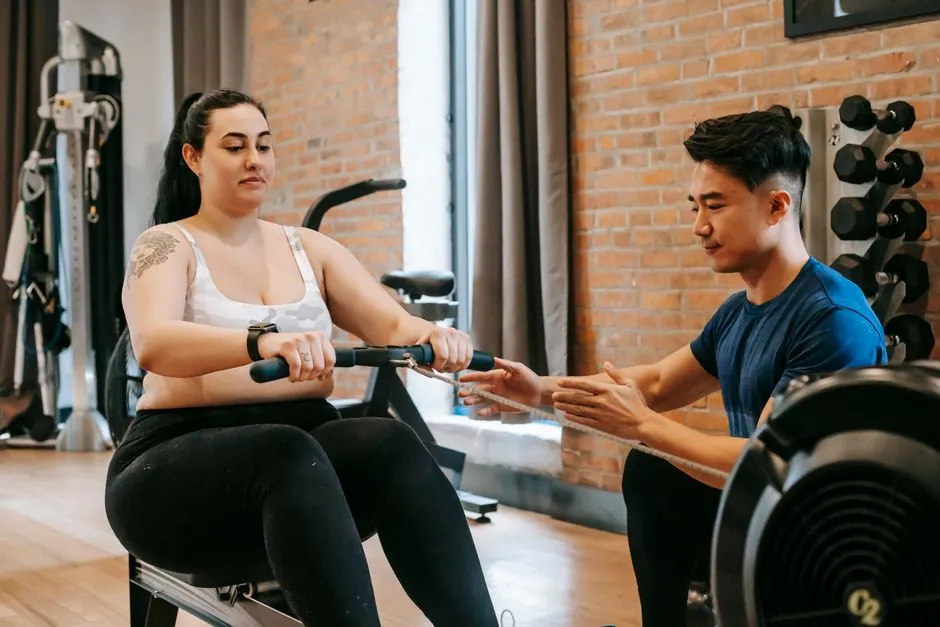
| Rowing machine, moderate | 252 | 294 | Low | Zone 2 with upper-body work | Legs, then body, then arms; reverse the order on the return |
| Rowing machine, vigorous | 369 | 440 | Low | Intervals | Keep the back neutral; don’t yank early with the arms |
| Stair step machine | 216 | 252 | Low–moderate | Short Zone 2 or interval blocks, glute focus | Whole foot on the step; hold the rails lightly or not at all |
Which cardio machines burn the most calories?
Per 30 minutes, running and vigorous rowing come out on top in Harvard’s figures: 369–525 kcal for people weighing 70–84 kg. But an elliptical session you enjoy for 40 minutes beats a treadmill run you quit after 12.
Low impact cardio machines for knees, weight and joints
If running hurts your knees, if you weigh over 90 kg, or if you are coming back after a break, start with the low impact cardio machines: the recumbent or upright bike, the elliptical and the rower. Save running for when 30 minutes of Zone 2 on the other machines feels comfortable.

The 7-day cardio workout gym plan
This is the base week. It works with a 3- or 4-day weights programme (for example the splits in our best workout split guide) and delivers about 160 minutes of cardio, meeting the WHO minimum from week one. Every session includes a 5-minute warm-up and a 3–5 minute cool-down.
| Day | Session | Machine | Work sets / duration | Rest | Target zone | Form cue |
|---|---|---|---|---|---|---|
| Mon | Weights + LISS finisher | Incline treadmill (8–10%, 5 km/h) | 1 × 20 min | — | 50–60% HRmax | Hands off the rails, stand upright |
| Tue | Zone 2 steady | Rower or elliptical | 1 × 30 min | — | 60–70% | Rower: stroke rate 20–24 per min, long strokes |
| Wed | Weights + short intervals | Bike | 6 × 30 s hard | 90 s easy pedalling | 80–85% on work bouts | Stay seated; raise resistance rather than spinning wildly |
| Thu | Active recovery | Recumbent bike or walk | 1 × 25 min | — | 50–60% | Nasal breathing if you can |
| Fri | Weights + Zone 2 | Elliptical | 1 × 20 min | — | 60–70% | Push through the heels, arms active |
| Sat | Machine circuit | Treadmill → bike → rower → stepper | 4 × 8 min, one per machine | 1 min to move between machines | 60–70% | Reset posture at every change |
| Sun | Rest | — | Optional 30-min outdoor walk | — | Easy | — |
Week-one total: about 160 minutes, of which roughly 12 minutes (the Wednesday interval bouts plus warm-up) are vigorous. If the gym only lets you use a treadmill for 20 minutes at peak time, split the 30-minute Zone 2 day into 15 minutes on the rower plus 15 on the elliptical.
4-week progression: what to change each week
Change one thing at a time: total time first, then intervals, then speed or resistance. Adding about 10% volume a week is a reasonable pace for most beginners. Week 4 is a lighter “deload” week so your body can absorb the work before you start the next block.
| Week | Weekly cardio minutes | Zone 2 sessions | Interval session (bike or rower) | Work : rest | Main change | Check before moving on |
|---|---|---|---|---|---|---|
| 1 | ~160 | 2 × 20–30 min | 6 × 30 s | 1 : 3 (30 s / 90 s) | Learn each machine and the talk test | Every session finished with good form |
| 2 | ~180 | 2 × 30–35 min | 8 × 30 s | 1 : 3 | Add 5 min to each steady session | Resting pulse the next morning within 5 bpm of normal |
| 3 | ~200 | 2 × 35–40 min | 6 × 45 s | 1 : 2 (45 s / 90 s) | Longer work bouts, same recovery | You can hold the pace in the last interval |
| 4 (deload) | ~140 | 2 × 25 min | 4 × 30 s | 1 : 3 | Cut volume by 25–30%, keep the habit | You feel fresher; restart at week 2 or 3 numbers |
After week 4, repeat the block starting from week 2 or week 3 numbers, and change one variable: incline, bike resistance, or a new machine in place of one you have outgrown. Stay under 300 moderate-equivalent minutes a week unless you are training for an event.

Walkthrough: one 45-minute Zone 2 session, minute by minute
Here is Tuesday’s session as a 45-minute visit on the rower and elliptical.
- 0–5 min, warm-up on the rower. Damper at 3–5 (not 10; a higher setting feels heavier but mostly just tires your back). Easy strokes, 18–20 per minute.
- 5–20 min, Zone 2 row. Build to 22–24 strokes per minute. You should be able to speak a full sentence without gasping, or stay at 60–70% of your estimated max.
- 20–22 min, move and sip water. In hot, humid months, have 150–250 ml of plain water or unsweetened nimbu pani here, not a sugary sports drink.
- 22–37 min, Zone 2 on the elliptical. Enough resistance that your feet don’t spin freely; reverse stride for the second half.
- 37–42 min, cool-down. Drop resistance and let your heart rate come down below about 110 bpm.
- 42–45 min, stretch. Calves, hip flexors and chest. Our cool-down stretches guide has a 5-minute sequence you can use.
Write down the machine, minutes, average heart rate (or talk-test level) and one note on how it felt.
Cardio before or after weights?
If your main goal is strength or muscle, lift first and do cardio after, or on a separate day. If your main goal is endurance, do cardio first. A 2012 meta-analysis of 21 studies found running combined with strength training reduced muscle and strength gains, while cycling did not. Longer and more frequent cardio also caused more interference.
That meta-analysis, by Wilson and colleagues in the Journal of Strength and Conditioning Research (2012), pooled 422 effect sizes. The effect size for muscle growth was 1.23 with strength training alone and 0.85 with strength plus endurance training. In practice:
- Same-day sessions: lift first, then 15–25 minutes of LISS or Zone 2 on a bike, elliptical or incline walk.
- Keep hard intervals away from heavy leg days. Put them after upper-body sessions or on their own day.
- Split the day if you can. Cardio in the morning and weights in the evening (or the other way round), about 6 hours apart, works well for people who train before and after office hours.
Myth: “An hour of cardio melts belly fat”
This is the most common reason people search for a weight loss cardio workout gym routine, and the evidence is less exciting than the marketing. Cardio helps with fat loss, but mostly as part of eating a little less, not on its own.
The ACSM’s 2009 position stand on physical activity and weight loss concluded that 150–250 minutes a week of moderate activity produces only modest weight loss. More than 250 minutes a week is associated with clinically significant loss, and exercise helps weight loss most when combined with moderate (not severe) calorie restriction. The same review found resistance training does not add much to scale weight loss, but helps keep lean mass.
On the intervals-versus-steady debate, a 2017 meta-analysis in Obesity Reviews by Wewege and colleagues compared the two across 13 trials (about 10 weeks, 3 sessions a week). Both reduced whole-body fat mass and waist size, with no significant difference between them, but interval training took about 40% less time.
What this means for you:
- Spot reduction is not a thing. The stair climber will not shrink your thighs specifically, and crunches after cardio will not target belly fat.
- The calorie maths is modest. A 70 kg person burns about 250–330 kcal in 30 minutes of moderate bike or elliptical work (Harvard figures). Two samosas cancel it.
- Losing 0.25–0.5 kg a week is a realistic, sustainable pace for most people. Crash plans promising 5 kg in a week are neither safe nor lasting.
- Food decides most of the result. A dietitian can set a calorie target around dal, roti, rice and curd that fits your cardio plan, which is what our online nutritionist consultation does.

Troubleshooting: when your gym cardio routine isn’t working
Most plans stall on one of these five problems.
“My heart rate shoots up the moment I start”
Your easy pace is too fast. On a treadmill, drop to a flat 5 km/h walk and add incline 1% at a time instead of speed. Heat, poor sleep and caffeine also raise heart rate, so trust the talk test on those days.
“My knees or shins hurt after the treadmill”
Move two of your weekly sessions to the bike, elliptical or rower for three weeks, and bring running back in 5-minute blocks. Sharp or swollen pain needs a physiotherapist or doctor.
“I get bored after 15 minutes”
Use the Saturday machine circuit on more days. Switching machines every 8–10 minutes also beats treadmill time limits.
“The scale hasn’t moved in three weeks”
Check your waist measurement and your 30-minute distance on the same machine before you decide the plan has failed. If both are flat as well, look at your food and sleep before adding more cardio.
“My lifting is getting weaker”
That is the interference effect. Cut interval sessions to one a week, move cardio to after weights or to separate days, and choose the bike over running on leg days.
Adjusting the plan for your situation
Complete beginners
Spend weeks 1–2 on LISS only: 4 × 25–30 minutes on the incline treadmill, bike or elliptical. Start intervals in week 3.
Women training around periods, PCOS or thyroid issues
On heavy-flow or low-energy days, swap intervals for LISS without guilt. If you have a diagnosed condition, ask your doctor what exercise is right for you. Don’t change any medication because of a training plan.
Adults over 40
Use the Mayo formula (208 − 0.7 × age) rather than 220 − age. At 50, the estimated maximum is 173 bpm, so Zone 2 is about 104–121 bpm. Favour low-impact machines and keep both weights days.
People on blood-pressure or heart medication
Some medicines, especially beta-blockers, keep your heart rate lower, so the percentage zones won’t match. Use the talk test and ask your doctor for your safe range.
Frequently asked questions
How long should a cardio workout at the gym be?
For most adults, 20–45 minutes per session is enough, done 4–5 times a week to reach 150–300 moderate minutes. Short interval sessions can be 15–25 minutes including rest, because vigorous minutes count about double under WHO guidelines.
Which cardio machine is best for beginners?
The stationary bike or elliptical. Both are low impact and easy to learn, and you can control intensity through resistance. An incline treadmill walk at 5 km/h is a close third. Save running and hard stair-climber intervals for after 3–4 weeks of steady training.
Should I do cardio before or after weights?
Lift first if strength or muscle is your priority, and put cardio after or on a different day. A 2012 meta-analysis of 21 studies found running reduced strength and muscle gains when combined with weights, while cycling did not. Do cardio first only if endurance is your main goal.
Is 30 minutes of cardio a day enough?
Yes, for health. Thirty minutes of moderate cardio on 5 days a week gives the 150-minute minimum set by WHO and ACSM. For extra fitness, or to help with weight management, build towards 200–300 minutes a week, and add 2 days of strength training.
Is Zone 2 cardio better than HIIT for fat loss?
Neither is clearly better. A 2017 meta-analysis of 13 trials found steady cardio and interval training reduced fat mass by similar amounts, and intervals took about 40% less time. Use mostly Zone 2 with one or two short interval sessions a week, and choose what you’ll stick with.
Can I do cardio every day at the gym?
Yes, if most of it is easy. Daily LISS or Zone 2 is fine for healthy adults, but limit hard intervals to 1–2 days a week and take a lighter week every 4 weeks. Constant tiredness, a raised resting pulse or aching joints mean you should cut back.
How accurate are calorie counts on gym cardio machines?
Treat them as rough guesses. Machine displays rarely know your weight, age or fitness, so the number can be well off. Published estimates such as Harvard Health’s give about 250–330 kcal per 30 minutes of moderate bike or elliptical work at 70 kg.
Next step: print the base-week table, do the first three sessions this week, and write down minutes and heart rate after each one. If you would like a coach to set your zones and adjust the plan every week, book a Fitstrot 1-on-1 personal training session and start with a programme built around your gym’s machines.


