

If you want to know how to get slim in 30 days, the honest answer is this: eat about 400–500 kcal below your maintenance level, get 1.2–1.6 g of protein per kg of body weight, lift weights three times a week, walk 8,000+ steps a day and sleep at least seven hours. Most people who do this lose around 2–4 kg and 2–5 cm off the waist in a month. Some of that is water, and a good part is fat. The result looks slimmer, not just lighter.
This guide gives you four weekly phases instead of a daily calendar, targets based on your weight, an Indian protein table, a home workout week and a fix for the day 15–20 plateau. For a day-by-day checklist, use our 30-day weight loss challenge.
Can you really get slim in one month?
Yes, you can look slimmer in a month, but you can’t transform your body in that time. India’s ICMR-NIN guidelines (2024) call about 0.5 kg of weight loss a week safe, with diets never below 1,000 kcal a day. Over 30 days, that’s about 2–3 kg of fat plus 1–1.5 kg of first-week water.
These numbers come from the ICMR-NIN Dietary Guidelines for Indians (2024). The same guidelines warn against rapid weight-loss methods and anti-obesity drugs taken without medical supervision. The US CDC gives a similar number, about 0.5–1 kg (1–2 lb) a week. It notes that people who lose weight at this steady pace are more likely to keep it off than people who lose it fast.
So a plan that promises to show you how to get slim in a month by losing 8–10 kg is really promising a lot of lost water and muscle, which usually comes back. Our guide on how much weight you can lose in a month explains those numbers in detail. This page focuses on making sure the 2–4 kg you do lose shows up as a slimmer shape.
Slim and fit, not just lighter: why the difference changes the plan
If you cut calories without strength training, you lose some muscle along with fat and end up smaller but softer. Knowing how to get slim and fit starts here: the goal is a smaller waist, firmer arms and thighs and clothes that fit differently. That takes keeping muscle while losing fat, which needs two things:
- Enough protein. In a 4-week randomised trial in the American Journal of Clinical Nutrition (2016), people on a roughly 40% calorie deficit who ate 2.4 g of protein per kg gained 1.2 kg of lean mass and lost 4.8 kg of fat. At 1.2 g/kg, they gained 0.1 kg of lean mass and lost 3.5 kg of fat. The participants were young men training six days a week, so treat this as direction, not a target.
- Resistance training. Walking and Zumba burn calories, but squats, rows and push-ups are what make your body hold on to the muscle that gives you shape.
This is why your waist can shrink in a week when the scale barely moves.

Your daily numbers for 30 days
Here are the starting targets. They’re estimates for a lightly active adult woman who works a desk job and walks a little. Men can usually add 300–400 kcal to the calorie column. Treat these as a starting point for week 1, then adjust based on your waist measurement and your weekly average weight.
| Starting weight | Approx. maintenance | 30-day calorie target | Protein per day | Steps per day | Realistic 30-day change |
|---|---|---|---|---|---|
| 55 kg | ~1,750 kcal | 1,300–1,400 kcal | 66–88 g | 8,000–9,000 | 1.5–2.5 kg, 2–3 cm waist |
| 65 kg | ~1,950 kcal | 1,450–1,550 kcal | 78–104 g | 8,000–10,000 | 2–3 kg, 2–4 cm waist |
| 75 kg | ~2,150 kcal | 1,650–1,750 kcal | 90–110 g* | 8,000–10,000 | 2–3.5 kg, 3–5 cm waist |
| 85 kg | ~2,300 kcal | 1,800–1,900 kcal | 90–110 g* | 7,000–9,000 (build up) | 2.5–4 kg, 3–6 cm waist |
*If you have a lot of weight to lose, base your protein on your goal weight, not your current weight, because 1.6 g × 85 kg is more than most Indian diets can realistically provide. For comparison, the ICMR-NIN recommended protein intake for healthy adults is 0.83 g per kg per day. That figure covers basic needs and isn’t meant for someone trying to keep muscle in a calorie deficit. No calorie target in the table goes below the 1,000 kcal floor.

The four-week phase plan (week by week)
Each week has one main job. If you get that job done, the week counts as a success even if the scale doesn’t move much. The scale changes below are typical averages, and your own numbers will vary.
| Week | Phase | Diet focus | Training focus | Typical scale change |
|---|---|---|---|---|
| Week 1 (days 1–7) | Reset | Stop sugary chai, packaged juice and fried snacks. Add protein to every meal. Keep dinner timing consistent. | Learn squat, hip hinge, push-up and row with light load. Reach 6,000–8,000 steps. | 1–1.5 kg, mostly water and less bloating |
| Week 2 (days 8–14) | Build | Hold a 400–500 kcal deficit. Build meals around dal, curd, paneer, eggs or chicken. | Three full-body strength sessions. Add reps or weight to each lift. | 0.4–0.8 kg |
| Week 3 (days 15–21) | Push through | Recheck rice and roti portions. Plan weekend meals in advance. Keep fibre high. | Add one interval session. Change one exercise per workout. | 0.2–0.8 kg (a stall is normal) |
| Week 4 (days 22–30) | Lock in | Keep the same deficit. Stay consistent with salt and water intake. Don’t crash-diet before day 30. | Keep intensity the same and avoid piling on extra fatigue. Hold your step count. | 0.4–0.8 kg, clearer definition |
Walkthrough: why the pace changes each week
Week 1 brings the fastest visible change. Once you cut out salty namkeen, pickles and restaurant gravies, your body drops water and your face and midsection look less puffy. After that, progress comes from fat loss. Half a kilo of fat takes a deficit of about 3,500–4,000 kcal, which is roughly a week at 500 kcal a day. That’s why week 2 feels slower. Week 3 is the hardest mentally. In week 4, don’t crash-diet for a better day-30 number, because the weight usually comes back in month two.
What goes on the plate: Indian protein sources that make the deficit work
A 1,400 kcal day of only poha, roti and sabzi is low in protein and leaves you hungry by 11 am. Keep your carbs and add two items from this table to every main meal.
| Food (serving) | Protein (approx.) | Calories (approx.) | Where it fits |
|---|---|---|---|
| Paneer, 100 g | 18 g | 260–290 kcal | Lunch bhurji or tikka, used instead of a second roti |
| Low-fat paneer / tofu, 100 g | 12–18 g | 100–180 kcal | Better per calorie than full-fat paneer |
| Hung curd / Greek-style dahi, 200 g | 16–20 g | 120–160 kcal | Breakfast bowl, raita, dip |
| Cooked dal, 1 katori (150 g) | 7–9 g | 150–180 kcal | Make it thick and have two katoris at dinner |
| Soya chunks, 30 g dry | 15–16 g | 100–110 kcal | Pulao, curry, cutlet |
| Eggs, 2 whole | 12–13 g | 140–150 kcal | Breakfast, or bhurji for dinner |
| Chicken breast, 100 g cooked | 30–31 g | 165 kcal | Tandoori, curry with less oil |
| Roasted chana, 30 g | 6 g | 110–120 kcal | 4 pm snack instead of biscuits |
Values are rounded averages. A day of about 1,450 kcal and 90 g of protein could look like this: a hung-curd bowl with fruit for breakfast, 2 rotis with 100 g paneer bhurji and dahi for lunch, roasted chana with unsweetened chai as a snack, and thick dal, sabzi and a small portion of rice for dinner. An online nutritionist consultation can build this around the meals your family already eats.
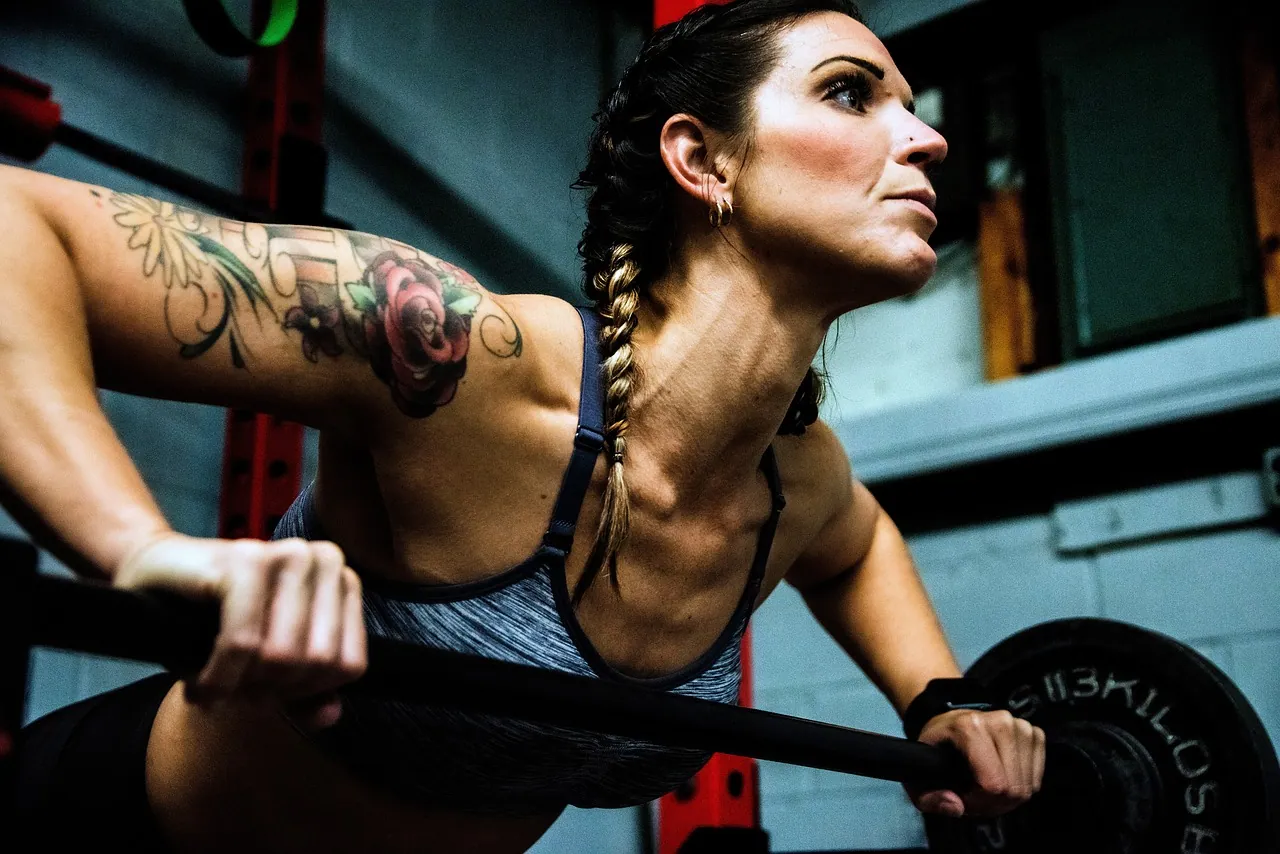
How to get slim body at home: the weekly training template
You don’t need a gym to get slim at home. Do three full-body strength sessions of 40–50 minutes a week, add one short interval session, and walk every day. That comfortably covers the WHO’s recommendation of at least 150 minutes of moderate activity a week plus muscle-strengthening work on two or more days.
According to the WHO physical activity fact sheet, 31% of adults worldwide (1.8 billion people) were physically inactive in 2022.
| Day | Session | Key exercises | Time |
|---|---|---|---|
| Monday | Strength A | Goblet squat, push-up (incline if needed), band row, plank | 40–50 min |
| Tuesday | Walk + mobility | Brisk walk, hip and shoulder mobility | 30–40 min |
| Wednesday | Strength B | Dumbbell Romanian deadlift, overhead press, reverse lunge, dead bug | 40–50 min |
| Thursday | Cardio you enjoy | Zumba, dance, cycling or a longer walk | 30–45 min |
| Friday | Strength C | Split squat, single-arm row, glute bridge, side plank | 40–50 min |
| Saturday | Intervals (from week 3) | 8 × 30 s fast / 60 s easy on stairs, skipping or a spot jog | 15–20 min |
| Sunday | Rest | Keep steps at or above your normal level; add gentle yoga if you like | — |
Work in 3 sets of 8–15 reps and end each set with 2–3 reps left in the tank. Each week, add either a rep or a small amount of weight. If you have knee, back or blood-pressure problems, check with your doctor before starting, and keep week 1 light no matter how you feel.
How to get slim waist and belly: what’s realistic
You can’t burn fat from just your belly by doing crunches. Your waist shrinks when overall body fat drops, bloating eases and your core gets stronger. A 30-day plan combining a calorie deficit, lower salt and three strength sessions a week usually takes 2–5 cm off the waist, and the belly is often where it shows first.
Waist size is more than a matter of appearance. The Harvard T.H. Chan School’s Nutrition Source notes that waist circumference reflects visceral abdominal fat, which is linked to insulin resistance and inflammation. It lists more than 35 inches (89 cm) for women and 40 inches (102 cm) for men as higher-risk measurements. Indian clinicians often use lower cut-offs, because a 2004 WHO expert consultation in The Lancet found that Asian populations face higher health risk at a lower BMI, starting from 22–25 kg/m² depending on the group, and suggested 23 kg/m² as a point for public-health action.
The realistic answer to how to get slim belly results in a month: cut down liquid sugar and salty packaged snacks, do planks and dead bugs for posture (not fat burning), eat dinner 2–3 hours before bed, and measure your waist once a week.
Myth check: how to get slim without exercise (or without diet and exercise)
Getting slim without exercise is possible, but the results are worse. Diet alone lowers your weight, but part of the loss is muscle, so you end up smaller and softer. If you can’t exercise right now, eat more protein, walk as much as you can and add strength work when you’re able.
Getting slim without diet and exercise isn’t possible. Teas, belts, sauna suits and “fat-cutter” drinks mostly cause water loss through sweat or a diuretic effect, and the weight comes back once you drink water again. ICMR-NIN specifically advises against rapid weight-loss approaches.

Two free habits most 30-day plans ignore: water and sleep
Water before meals
In a 12-week trial published in Obesity (2010), adults on a reduced-calorie diet who drank 500 ml of water before each main meal lost about 2 kg more than those who followed the same diet without it. At the start of the study, drinking 500 ml of water before a test meal cut the amount eaten at that meal by about 40 kcal. The participants were 55–75, so the effect may be smaller in younger adults, but the habit costs nothing.
Sleep protects the fat-loss part of your weight loss
This is the part of the plan people are most likely to skip. In a 2010 crossover study in the Annals of Internal Medicine, dieters who slept 5.5 hours instead of 8.5 hours lost 55% less fat (0.6 kg vs 1.4 kg in 14 days) and 60% more fat-free mass. The study had only 10 adults, but the lesson is clear: on five hours of sleep, more of what you lose is muscle. Aim for 7–8 hours.
Troubleshooting: stuck between day 15 and day 20
A mid-month stall happens often enough that you should expect it. Before you cut more calories, go through these checks in order:
- Portion creep. An extra roti or a second sugary chai has usually crept back in. Measure your portions for three days.
- Workouts have gone stale. After two weeks of the same weights, add a rep, add weight or swap one exercise.
- Steps have dropped. Going from 9,000 to 5,000 steps can wipe out 150–200 kcal of your daily deficit.
- Water retention. A salty weekend, a hard new workout or your period can hide 0.5–1.5 kg for several days. Compare weekly averages.
- Stress and sleep. Fix sleep before cutting food.
Cut another 100–150 kcal only if your weight and waist have both stayed flat for 14 days, and never go below 1,000 kcal.
Who this plan fits: 5 kg to lose vs 15 kg to lose, and women in particular
If you have about 5 kg to lose, progress feels slower because water and daily ups and downs make up more of your excess weight. Losing 1.5–2.5 kg and 2–3 cm off the waist in 30 days is a good result.
If you have 15 kg or more to lose, the first month usually moves faster, and losing 3–4 kg is common. Use that momentum to build habits for months two and three. NIDDK (US National Institutes of Health) recommends an initial goal of 5–10% of starting weight over 6 months, which can lower the risk of high blood pressure and type 2 diabetes.
For women, many hold an extra 0.5–1.5 kg of water before their period, so weigh in on the same cycle day each month or go by your waist measurement. If you have PCOS or a thyroid condition, or you’re postpartum, check your targets with your doctor first. Men can follow the same phases. Our guide to a slim body for men adjusts the volume.

Measure this on day 1 and day 30
Measure in the morning before eating, in the same clothes and light:
- Waist at the navel. It usually changes first.
- Hips, mid-thigh and relaxed upper arm. If your arm stays the same while your waist shrinks, you’re keeping muscle.
- Front, side and back photos taken in the same spot.
- Weekly average weight. A single morning can be off by a kilo.
- One fitted pair of jeans.
After day 30: keeping the result
If you go back to old habits on day 31, most of the visible change fades within weeks. Either repeat the plan or raise calories by 100–200 kcal a week until your weight holds steady. Keep the protein and the three strength sessions.
Frequently asked questions
How to get slim in 30 days at home?
Eat 400–500 kcal below maintenance, get 1.2–1.6 g protein per kg, do three full-body strength sessions a week with dumbbells or bands, walk 8,000+ steps daily and sleep 7–8 hours. Most people lose 2–4 kg and 2–5 cm off the waist.
How much weight can I safely lose in 30 days?
ICMR-NIN considers about 0.5 kg a week safe, and the CDC suggests 0.5–1 kg a week. That’s about 2–4 kg in 30 days, including some early water loss.
How to get slim without exercise?
A calorie deficit alone lowers weight, but some of the loss will be muscle, so you look smaller rather than toned. Eat more protein, walk every day and add strength work when you can.
How to get slim face?
You can’t target face fat. Your face slims as overall body fat and bloating drop. Cut salty snacks and alcohol, sleep 7–8 hours and hold a steady calorie deficit.
How to get slim waist in 30 days?
Your waist shrinks through overall fat loss and less bloating, not crunches. Combine a moderate deficit, lower salt, three strength sessions and daily walks. A 2–5 cm drop in 30 days is realistic.
Is cardio or strength training better for getting slim?
Use both. Cardio adds to your deficit and strength training keeps the muscle that gives you shape. With only three sessions a week, make them strength sessions and walk on the other days.
Can I get slim fast by eating 800 calories a day?
No. ICMR-NIN says weight-loss diets should not go below 1,000 kcal a day. Very low intakes speed up muscle loss, increase hunger and make regain more likely.
Want someone to set your four weekly phases for you? Book a session with a Fitstrot online weight loss trainer. They’ll set your calorie and protein targets, run your strength sessions on video and adjust the plan at the end of each week.


