
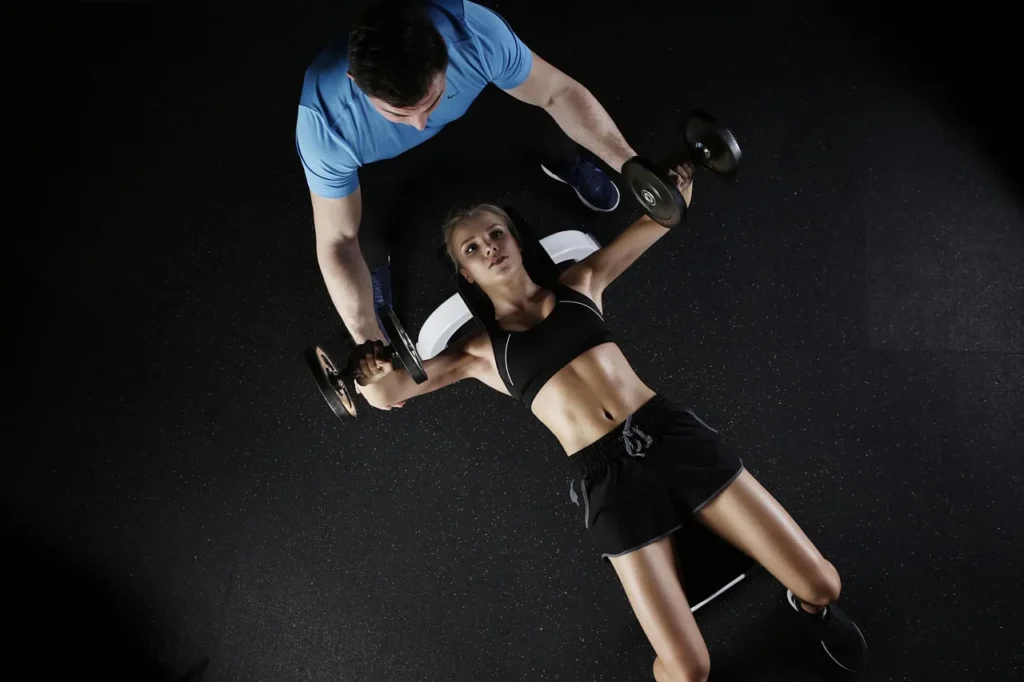
The best PCOS exercise routine is not a secret workout or a special “hormone-balancing” class. It is a weekly mix of strength training on two or more days plus enough cardio to reach 150–300 minutes a week, sustained for months. That is what the 2023 international guideline recommends, and it is what the trial data backs. This guide explains what each type of training actually changes in polycystic ovary syndrome, how hard to push, what the evidence on HIIT really says, and gives you a 7-day plan and a 12-week at-home progression built for Indian schedules.
A quick note on names: in May 2026 the condition was officially renamed polyendocrine metabolic ovarian syndrome (PMOS), because most women with it do not have abnormal ovarian cysts. The Endocrine Society’s announcement says it affects more than 170 million women, roughly 1 in 8, and that the change will roll in over three years. Most people in India still search for “PCOS” or “PCOD”, so we use PCOS here. The advice is the same.
Check with your doctor first. Exercise is safe for almost everyone with PCOS, but see your gynaecologist or endocrinologist before starting if you have diabetes or prediabetes, high blood pressure, a heart condition, a BMI above 35, joint pain, or if you are pregnant or trying to conceive. Keep taking any prescribed medicine (metformin, contraceptive pills, anything else) exactly as prescribed. Never change or stop medication because your workouts are going well. That decision belongs to your doctor.
What is the best PCOS exercise, according to the evidence?
Direct answer: No single type of exercise is proven best for PCOS. The 2023 International Evidence-based PCOS Guideline found no evidence that one type or intensity beats another, and advises 150–300 minutes of moderate activity (or 75–150 minutes vigorous) each week, plus muscle-strengthening on 2 non-consecutive days. Pick the mix you will actually sustain.
That guideline, summarised in The Journal of Clinical Endocrinology & Metabolism (2023), is the most thorough review of PCOS care ever carried out. Two things in it matter more than any workout trend. First, it puts the global prevalence at 10–13% of women. Second, it states that exercise brings health benefits even when you do not lose weight. That second point changes how you should judge your progress, and we come back to it below.
The Indian picture makes exercise even more important. The ICMR-backed national PCOS study, published in JAMA Network Open in 2024, screened nearly 9,000 women aged 18–40 across five zones. It found a prevalence of 19.6% using the Rotterdam criteria. Among women with PCOS, 43.2% had obesity, 91.9% had abnormal blood lipids and 32.9% had fatty liver disease. In India, PCOS is a metabolic condition as much as a reproductive one, and muscle and cardio fitness are two of the few levers you control every day.
The weekly numbers: how much exercise the guideline asks for
The guideline gives two targets for adults aged 18–64. Which one applies depends on whether your goal is general health or weight loss. The table below turns them into Indian-week terms.
| Goal | Moderate-intensity cardio | OR vigorous cardio | Strength training | What that looks like in practice |
|---|---|---|---|---|
| Health and preventing weight gain | 150–300 min/week | 75–150 min/week | 2 non-consecutive days | 30 min brisk walk 5 days + 2 home strength sessions |
| Weight loss and preventing regain | At least 250 min/week | At least 150 min/week | Ideally 2 non-consecutive days | 40–45 min walk, cycle or Zumba 6 days + 2 strength sessions |
| Everyone | Cut down sitting and screen time. Stand up and move for 2–3 minutes every 30–45 minutes during desk work. | |||
The weight-loss target (250 minutes a week) is higher than most people expect. If you are starting from zero, do not try to hit it in week one. The 12-week progression later in this article gets you there without injuring yourself.
Strength, cardio, HIIT or yoga: what each one does in PCOS
Each type of training has a different evidence base. Here is a summary of what the published trials show, including where the evidence is weak.
| Exercise type | Key study | What changed | Strength of evidence |
|---|---|---|---|
| Progressive resistance training | Kogure et al., 2016: 45 women with PCOS, 3 sessions/week for 4 months | Lower waist circumference, body fat %, testosterone and free androgen index | Low to moderate. Non-randomised, single centre |
| Vigorous aerobic exercise | Patten et al., 2020 meta-analysis: 777 women | VO2peak +24.2%, HOMA-IR −36.2%, waist −4.2% | Moderate. Intensity mattered more than total minutes |
| HIIT vs steady moderate cardio | 2021 meta-analysis of 16 studies | Steady moderate cardio improved fitness. HIIT was not superior. Neither changed HOMA-IR significantly | Moderate. Few HIIT participants (n = 28 for fitness) |
| Yoga | Nidhi et al., 2012: 90 Indian adolescents, 1 hr/day for 12 weeks | Better fasting insulin, glucose and HOMA-IR than conventional exercise. No difference in BMI or waist | Low to moderate. One centre, teenage girls only |
| Lifestyle (diet + exercise + behaviour) | Cochrane review, 2019: 15 RCTs, 498 women | Weight −1.68 kg on average, lower free androgen index | Low quality, but consistent in direction |
Resistance training: the most underused tool
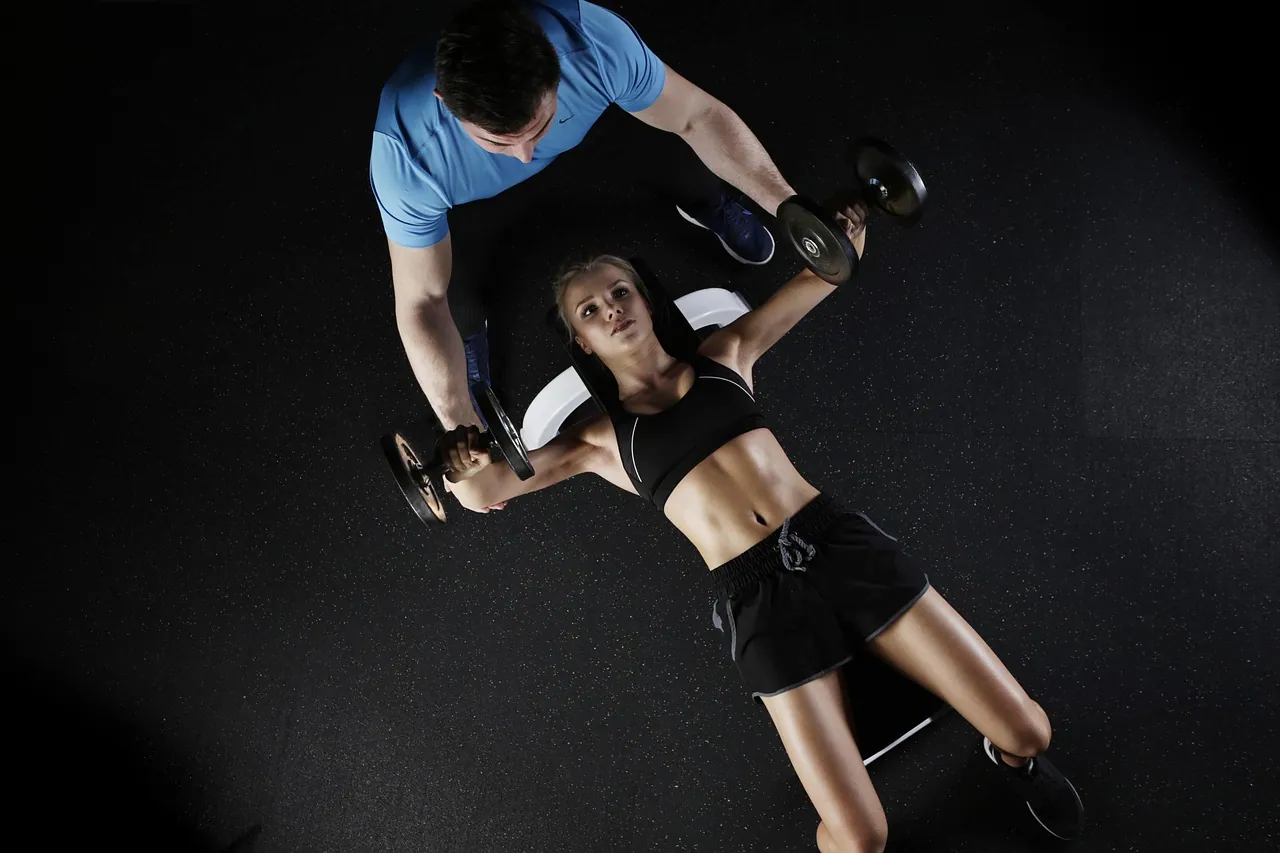
Muscle is the largest site of glucose disposal in the body, so more muscle and better-trained muscle give insulin somewhere to send sugar. In the Kogure trial (Reproductive Sciences, 2016), women with PCOS who did progressive resistance training three times a week for four months reduced their waist circumference, body fat percentage, testosterone and free androgen index. “Progressive” is the important word. The weights, reps or difficulty went up over time. Twenty wall push-ups done the same way forever will not produce this result.
A common worry is that lifting will make you “bulky” because of high androgens. It won’t. Visible bulk takes years of high-volume training and a calorie surplus. You will notice better posture and looser waistbands first.
Brisk walking and steady cardio
Moderate cardio is the easiest part of the plan to keep up, and it reliably improves fitness. A 2021 meta-analysis of 16 studies, published in Frontiers in Physiology, found that moderate steady-state exercise significantly improved VO2max (+1.08 ml/kg/min). Brisk walking, cycling, swimming and dance workouts like Zumba all count.

HIIT: useful, but not magic
The two main reviews point in slightly different directions. The Patten 2020 meta-analysis found that vigorous exercise gave the biggest improvements in fitness, waist and insulin resistance. It suggested at least 120 minutes of vigorous activity per week. The 2021 review, which compared HIIT (short intervals) head-to-head with steady moderate cardio, found HIIT was not superior, and neither type significantly improved insulin resistance on its own. The practical takeaway is that working hard helps, but it does not have to mean burpee intervals. A steady 30-minute uphill walk or a fast cycling session at a pace where you can only speak a few words also counts as vigorous. Use short intervals if you enjoy them and your joints tolerate them. Skip them if you don’t.
Where PCOS exercise yoga fits
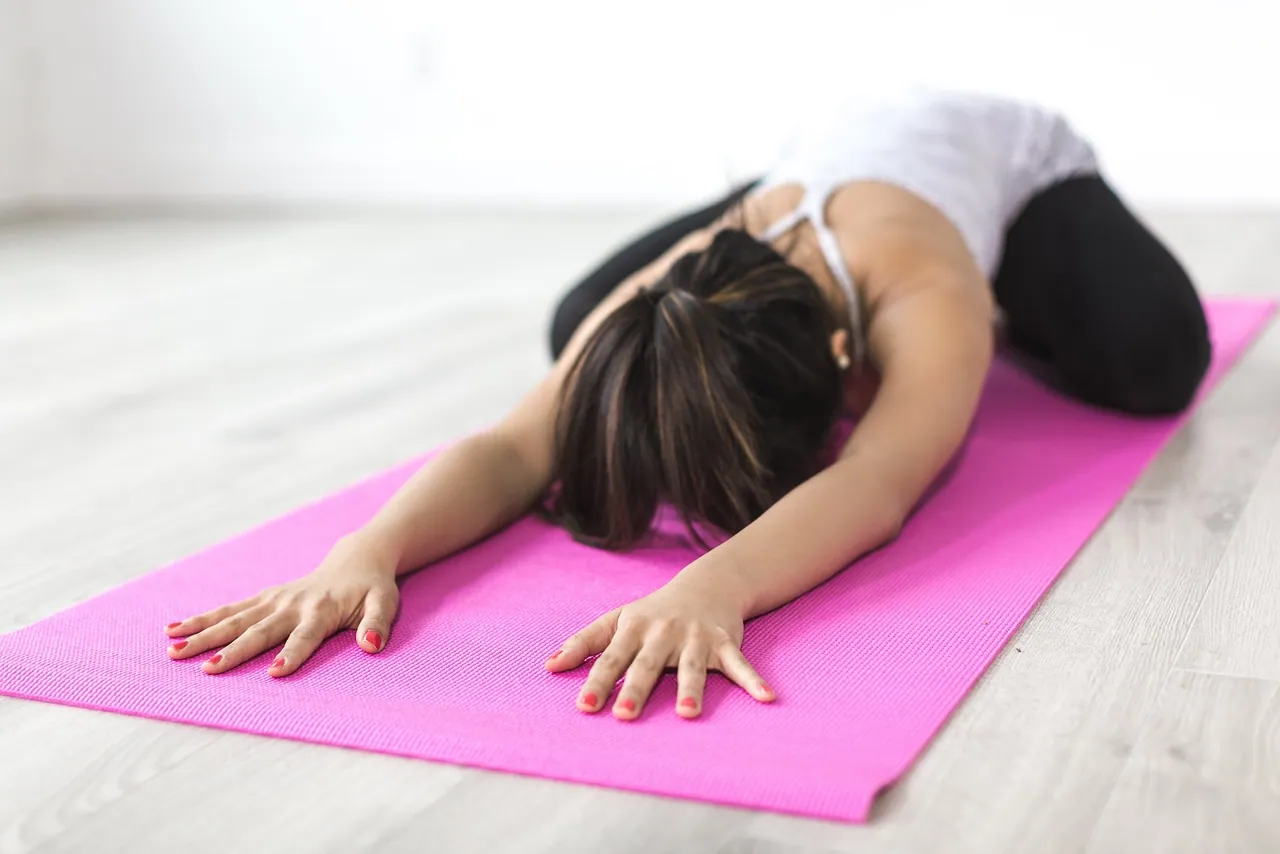
Yoga has the strongest India-specific evidence. In a 2012 randomised trial run with 90 adolescent girls in Andhra Pradesh, published in the International Journal of Gynecology & Obstetrics, one hour a day of suryanamaskar, asanas, pranayama and meditation for 12 weeks improved fasting insulin, glucose and insulin resistance more than conventional exercise did. BMI and waist did not change more than in the exercise group. Yoga is a good anchor for stress, sleep and consistency, but it does not replace strength training or cardio. If you want specific poses, our guide to yoga poses for weight loss covers sequences that raise the heart rate.
Myth check: “Hard workouts spike cortisol and make PCOS worse”
This claim is all over Instagram. Usually it comes with advice to do only walking and “gentle” workouts. Some of it is true, and some is not.
- True: Any exercise raises cortisol briefly. That is normal. Cortisol falls again after the session, and regular training generally improves how your body handles stress.
- Not supported: We could not find any controlled trial showing that moderate or vigorous exercise worsens PCOS hormones, insulin resistance or cycles. The meta-analyses above found the opposite: vigorous work gave the largest improvements.
- Where the caution comes from: The NHS treatment page (updated for the PMOS name) advises exercising regularly but avoiding high-intensity exercise because it may worsen symptoms. That is reasonable caution for someone exhausted and training hard daily, not evidence that well-recovered hard work is harmful.
The sensible position sits between the two. Build a base of walking and strength first. Add vigorous sessions once you are sleeping 7+ hours and recovering well. Cap truly hard days at 2–3 a week. If you feel wired, sleepless or unusually hungry for days after hard sessions, reduce the intensity. That is a recovery problem, not proof that exercise is damaging your hormones.
A 7-day PCOS exercise plan you can start this week
This plan hits the guideline’s weight-loss target (about 250 minutes including strength work) once you are fully progressed. Each strength session takes 30–40 minutes. Brisk walking can be split into two 20-minute blocks, for example before office and after dinner.
| Day | Session | Duration | Intensity (talk test) | Example |
|---|---|---|---|---|
| Monday | Strength A (lower body + core) | 35 min | Last 2 reps feel hard | Squats, glute bridges, reverse lunges, dead bugs: 3 × 10–12 |
| Tuesday | Brisk walk or cycling | 40 min | Moderate: can talk, can’t sing | 20 min after breakfast + 20 min after dinner |
| Wednesday | Cardio with vigorous blocks | 30 min | Vigorous blocks: only a few words | Zumba class, or 6 × 2 min fast uphill walk with 2 min easy |
| Thursday | Strength B (upper body + posterior chain) | 35 min | Last 2 reps feel hard | Band rows, push-ups (incline if needed), Romanian deadlifts, plank: 3 × 10–12 |
| Friday | Yoga | 45 min | Easy to moderate | Suryanamaskar rounds, standing poses, pranayama |
| Saturday | Long walk or cycle | 50–60 min | Moderate | Park walk, stairs, or indoor cycling |
| Sunday | Rest / light movement | — | Easy | Household activity, 10-min stretch |
Keep strength days non-consecutive (Monday and Thursday here), as the guideline suggests. On strength days, if you can do 12 clean reps on all three sets, make the next session harder: add a set, slow the lowering phase to three seconds, use a heavier band or dumbbell, or move to a harder version of the exercise.
PCOS exercise at home: a 12-week progression
You do not need a gym. A resistance band (₹300–600), a pair of adjustable dumbbells or filled water bottles, and a mat are enough for the first three months. The progression below starts where most beginners actually are, then builds towards the full weekly plan.
| Weeks | Cardio per week | Strength | Vigorous work | Checkpoint |
|---|---|---|---|---|
| 1–2 | 100–120 min (20 min × 5–6 days) | 2 × 20 min bodyweight, 2 sets | None | Walking 20 min feels easy |
| 3–4 | 150 min | 2 × 30 min, 3 sets, add band | None | You reach the minimum guideline target |
| 5–8 | 180–210 min | 2 × 35 min, heavier band or dumbbells | 1 session of 5–6 short blocks | Resting heart rate often starts to drop |
| 9–12 | 250 min | 2–3 × 35–40 min | 2 sessions per week | You reach the weight-loss target; re-measure waist |
PCOS exercise at home to lose weight: making it count
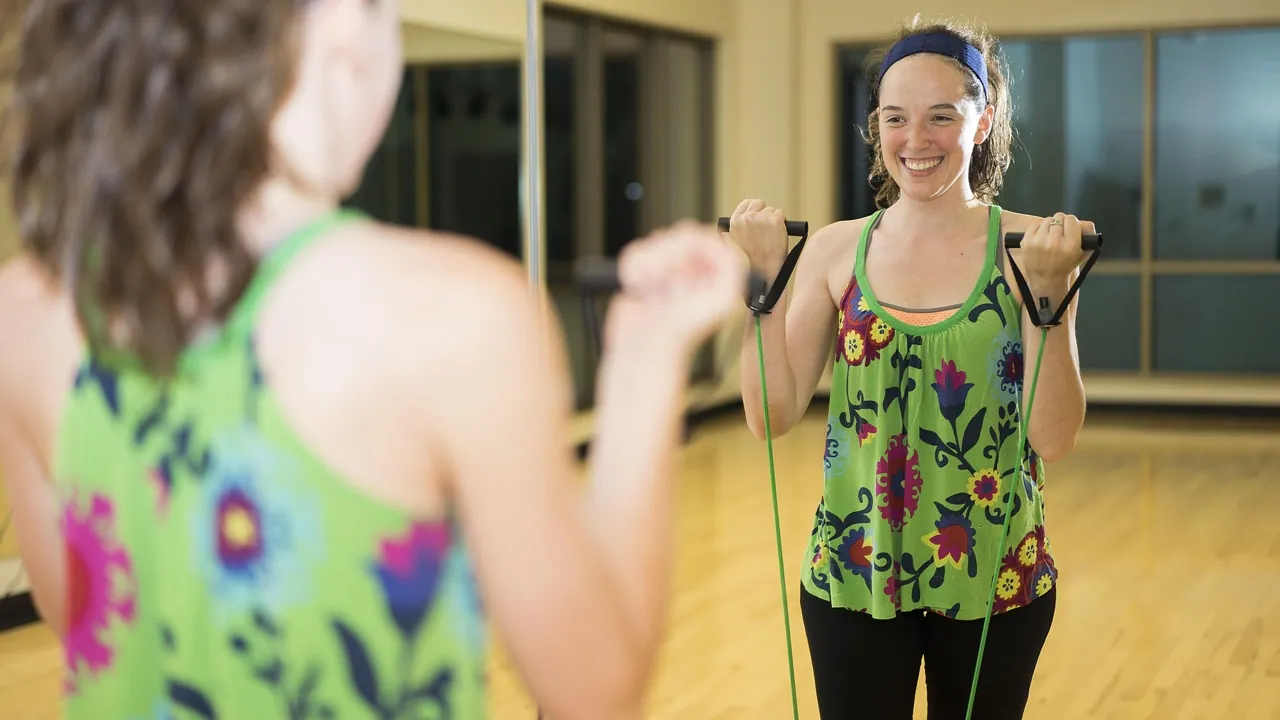
Home workouts fail for two reasons: they are too easy, and they don’t get harder over time. Log every session in a notebook or phone note with the exercise, reps and band colour. Pick a fixed time slot. For many Indian households, 6:30 a.m. before the family wakes, or 30 minutes after dinner, works better than “sometime in the evening”. Add steps through the day by walking during phone calls, taking stairs, and doing a 10-minute walk after lunch and dinner. If motivation is the sticking point, having a coach watch your form and raise the load each week helps. That is what our 1-on-1 personal training sessions are built for.
What does PCOS exercise for weight loss realistically deliver?
Direct answer: On its own, exercise produces modest weight loss in PCOS. The 2019 Cochrane review of 15 trials (498 women) found lifestyle programmes reduced weight by an average of 1.68 kg compared with minimal treatment. The larger gains are metabolic: better insulin sensitivity, a smaller waist and lower androgens. These can happen even when the scale barely moves.
That Cochrane review (Lim et al., 2019) rated the evidence low quality, and most trials were short. It is still a useful reality check against “lose 10 kg in a month with this PCOS workout” promises. Here is what to expect instead:
- Weeks 1–4: better energy and sleep, and less post-meal sluggishness.
- Weeks 6–12: waist measurement starts dropping by a few centimetres, and strength rises noticeably. Patten’s meta-analysis found around a 4% waist reduction with vigorous training.
- Months 3–6: steady fat loss, but only if eating is also in a modest deficit. Exercise makes the deficit easier to hold. It rarely creates one on its own.
That is why food matters. Diet is outside the scope of this article, but our PCOS weight loss diet guide covers the Indian meal structure, protein targets and carbohydrate swaps that pair with this plan. If you want a plan built around your blood reports, a dietitian through our online nutritionist consultation can design it.
Adjusting the plan for your situation
Lean PCOS exercise: when weight isn’t the problem
Many Indian women with PCOS have a normal BMI but still have insulin resistance, high androgens or irregular cycles. For you, the goal is metabolic, not weight loss. Aim for the lower guideline target (150 minutes moderate) plus two or three proper strength sessions, and eat enough to support muscle gain. Avoid the trap of doing more and more cardio while under-eating. That can make fatigue and cycle problems worse, not better.
PCOS exercise and period changes: what to expect
Some women notice cycles becoming more regular after a few months of training. The evidence here is thinner than social media suggests. The Cochrane review found no trials that measured menstrual regularity in its defined way. The Indian yoga trial did report improved menstrual frequency after 12 weeks. It is fine to exercise during your period. If cramps are bad on days 1–2, swap vigorous work for walking or yoga. If periods stop for 3 months or more, or bleeding becomes very heavy, see your gynaecologist. Do not assume the workouts caused it or will fix it.
If you are trying to conceive
Regular moderate exercise is generally encouraged before conception, but fertility treatment plans vary. Clear your training plan with your fertility specialist, especially vigorous sessions during ovulation-induction or IVF cycles.
If you sit at a desk 9–10 hours a day
The guideline specifically calls out sedentary time. Set a 45-minute timer and walk for 3 minutes each time it goes off. That alone adds 25–30 minutes of light activity over an office day. Add a 10-minute walk after lunch.
When the plan stalls: troubleshooting
- “Six weeks in, the scale hasn’t moved.” Measure your waist at the navel and track strength. If both are improving, the plan is working. If neither is, check food intake and sleep before adding more exercise.
- “I’m exhausted and my knees hurt.” Drop back one stage in the 12-week progression. Replace jumping with step-backs and low-impact moves. Knee pain that lasts more than two weeks needs a physiotherapist.
- “I keep missing sessions.” Shrink the session, not the habit. A 15-minute strength circuit done every time beats a 45-minute one done twice a month. Group classes like online Zumba or yoga add a fixed appointment.
- “I’m starving after workouts.” Move a protein-rich meal (paneer, eggs, dal with curd, chicken) within 1–2 hours after training, rather than cutting food further.
- “My cycle or mood got worse.” Check whether you’ve stacked intense training, under-eating and poor sleep. Reduce intensity for two weeks. If it doesn’t settle, see your doctor.
PCOS exercise: frequently asked questions
What is the best exercise for PCOS?
No single exercise is best. The 2023 international guideline found no type or intensity clearly superior. The strongest approach combines 150–300 minutes a week of moderate cardio (or 75–150 minutes vigorous) with strength training on 2 non-consecutive days, done consistently for at least 3 months.
How many minutes of exercise per week do I need for PCOS weight loss?
For weight loss and preventing regain, the 2023 guideline recommends at least 250 minutes a week of moderate activity or 150 minutes of vigorous activity, plus strength training ideally on 2 non-consecutive days. Build up to this over 8–12 weeks rather than starting there.
Is HIIT bad for PCOS?
No trial shows HIIT harms PCOS. A 2021 meta-analysis of 16 studies found HIIT was not better than steady moderate cardio for fitness, and neither changed insulin resistance significantly on its own. Use 1–2 interval sessions a week if you recover well. It is optional.
Can I do PCOS exercise at home without equipment?
Yes. Bodyweight squats, lunges, glute bridges, incline push-ups, planks and brisk walking are enough for the first 4–6 weeks. After that, add a resistance band or dumbbells so the strength work keeps getting harder, which is what drove results in resistance-training trials.
Is PCOD PCOS exercise any different?
No. “PCOD” is a term used mainly in India for the same condition. Since May 2026 it is officially called PMOS (polyendocrine metabolic ovarian syndrome). Exercise recommendations are identical whichever name your report uses.
Will exercise regulate my periods?
It may help, but the evidence is limited. A 12-week Indian yoga trial in 90 adolescents reported improved menstrual frequency, but the 2019 Cochrane review found no trials that reported menstrual regularity. See a gynaecologist if periods are absent for 3 months or more.
How long before I see results from PCOS exercise?
Energy and sleep often improve within 2–4 weeks. Waist and strength changes usually show in 6–12 weeks. Trials in the Patten 2020 meta-analysis ran 6–26 weeks. Meaningful fat loss typically takes 3–6 months and needs a diet change as well.
Want the 12-week plan adapted to your reports, schedule and joints? Book a live online yoga or strength session with a Fitstrot coach, and bring your latest blood work to the first call.


